
The Silkiest Secret Your Spoon Will Ever Discover
There’s a moment, just before the steam hits, when you lift the lid and peer into the bowl. It’s not a solid, it’s not a liquid—it’s a quivering, cloud-like landscape that jiggles with the slightest breath. This, my friends, is the magic of Chinese Steamed Egg Custard Savory. It’s the dish my grandmother would make on lazy Sunday mornings, a humble bowl of comfort that whispers “you’re home” without shouting. The aroma is pure umami heaven—a gentle steam carrying the scent of rich chicken broth and a whisper of soy, promising a texture so smooth it feels like a secret being whispered directly to your palate. It’s the ultimate hug in a bowl, and I’m about to spill all its silky secrets.
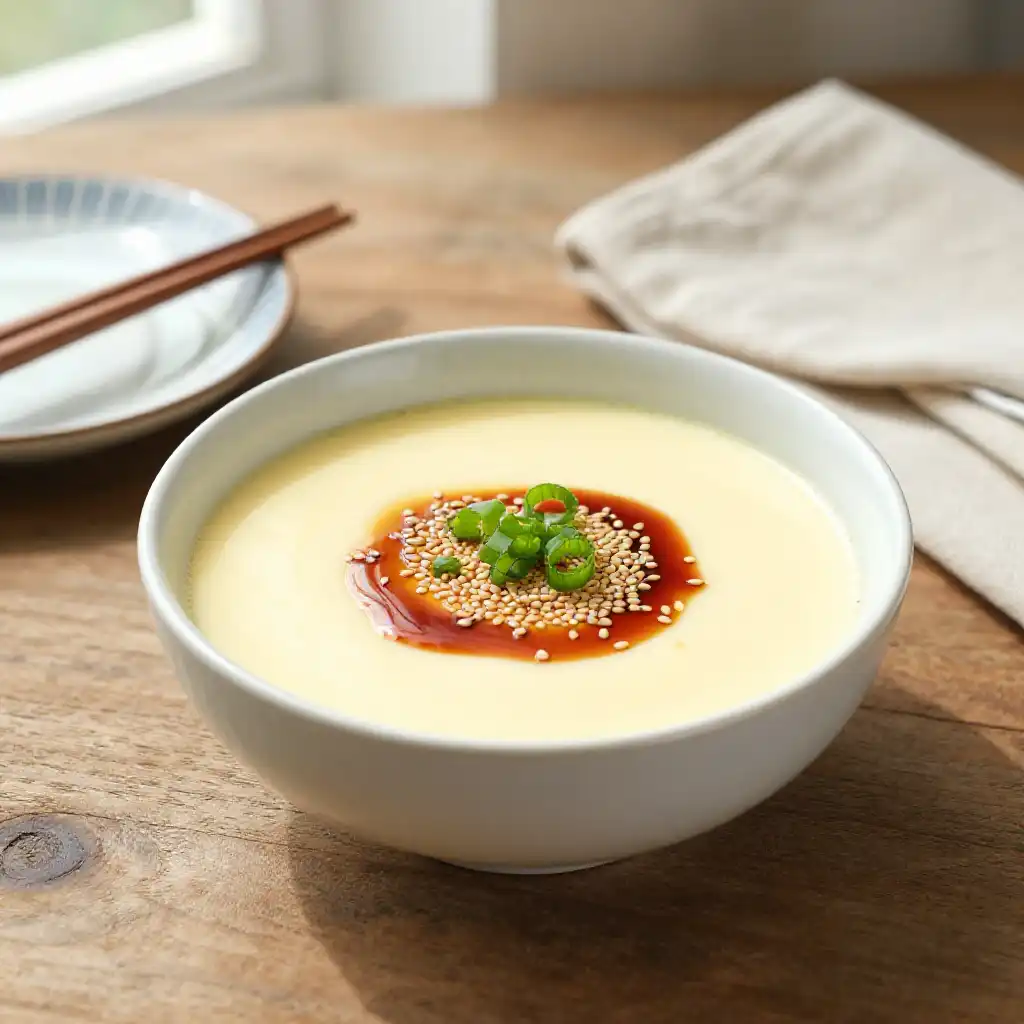
Why does this humble dish command such devotion? It’s the alchemy of simplicity. With just a handful of everyday ingredients, you create a texture that feels decadent and a flavor that is profoundly satisfying. It’s a masterclass in balance—the gentle sweetness of the egg, the deep savoriness of the broth, and the salty punch of soy sauce all dancing together in perfect harmony. Unlike its richer, more complex cousins, this custard is all about purity and comfort. It’s the culinary equivalent of your favorite worn-in sweater. For more inspiration on comforting textures, I sometimes browse the creative blends over at indixer.com, though this custard requires no blender, just patience and a gentle hand.
Recommended Product
 -40%
-40%
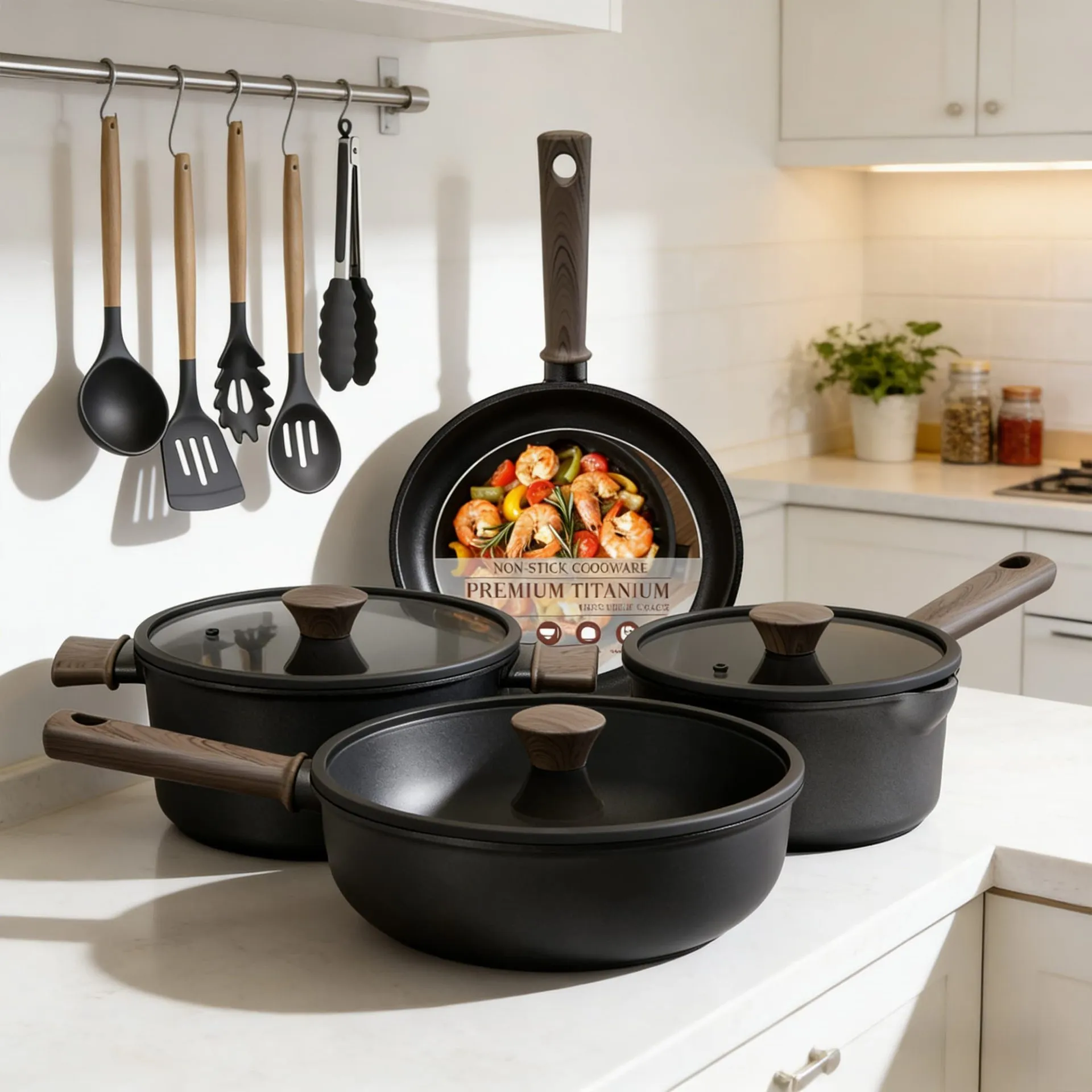
Astercook 21‑Piece Non‑Stick Ceramic Cookware Set with Detachable Handles
- Pieces →: 21‑piece set with pots, pans, lids & accessories
- Handles →: Secure removable/detachable handle system for space saving & oven use
- Non‑Stick Coating →: Premium ceramic non‑stick free of harmful PFOA chemicals for healthier cooking
- Cleanup →: Easy to clean thanks to non‑stick surface and detachable handles
The Alchemy of a Perfect Egg
The secret to this custard isn’t in a fancy ingredient; it’s in the science of the egg itself. When you whisk an egg, you’re not just mixing—you’re introducing air and breaking down the protein strands. The goal is to create a network that can hold moisture and steam without turning into a rubbery sponge. The magic ratio of liquid to egg is your golden ticket. Too much liquid, and it won’t set; too little, and you get a dense, spongy mess. We’re aiming for a 1.5:1 liquid-to-egg ratio for that legendary silken texture. The steaming process is gentle coagulation, not aggressive boiling. The water vapor transfers heat slowly and evenly, allowing the proteins to set into a delicate, uniform structure. It’s a beautiful, quiet science that happens right on your stovetop.
🍳 Used in this recipe
Get It on Amazon Basics✔ Free Delivery | ✔ Top Rated | ✔ Budget-FriendlyThe Flavor Makers
This is where we build the soul of the dish. Every component has a job, and together, they create a symphony.
* **The Foundation: Eggs & Chicken Broth.** Use the freshest eggs you can find; their vibrant yolks contribute to the custard’s rich color and flavor. The chicken broth is non-negotiable for that deep, savory base. Homemade is glorious, but a good quality store-bought version works beautifully.
* **The Salty Accent: Soy Sauce.** This isn’t just for salt; it adds a complex, fermented depth. A light soy sauce is perfect here, providing flavor without overpowering the delicate egg.
* **The Aromatic Whisper: Ginger & White Pepper.** A few slivers of fresh ginger and a pinch of white pepper add a subtle, warming heat that cuts through the richness. They’re the background notes that make the whole dish sing.
* **The Garnish: Green Onions & Sesame Oil.** This is the final flourish. The fresh, sharp bite of sliced green onions and a few drops of toasted sesame oil add fragrance and a touch of luxury.
Let’s Get Cooking: The Step-by-Step
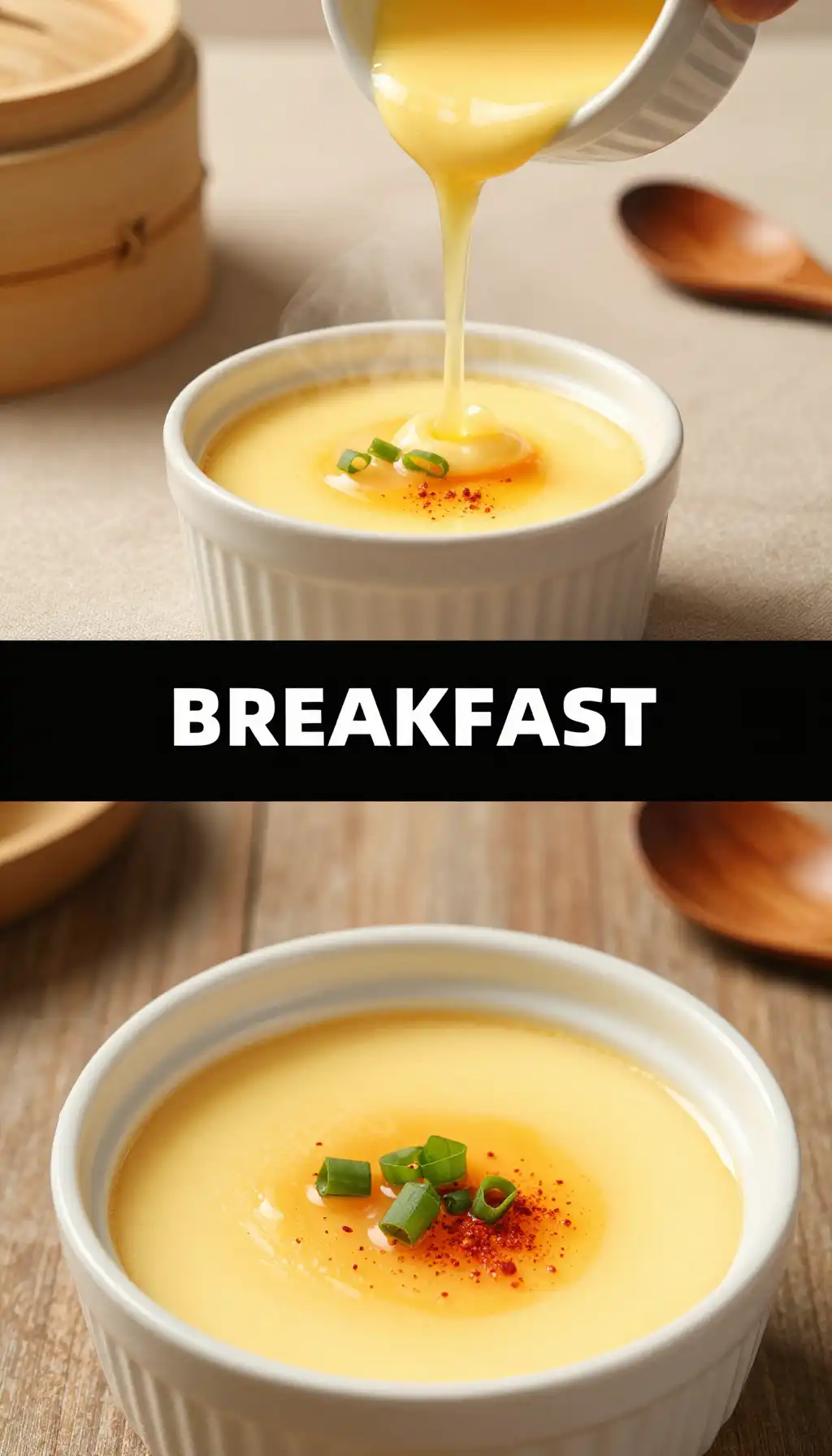
Ready to create some magic? Let’s walk through it. First, crack your eggs into a large bowl. Whisk them gently but thoroughly until the yolks and whites are one uniform, pale yellow liquid. Now, slowly pour in your warm chicken broth, whisking constantly. This gradual addition is key to a smooth texture. Stir in your soy sauce, a whisper of ginger, and a pinch of white pepper. For the silkiest result, strain the mixture through a fine-mesh sieve into your steaming bowl. This removes any chalazae (those little white bits) and ensures a flawlessly smooth surface. Cover the bowl tightly with a lid or a plate to prevent steam water from dripping in. Set your steamer over simmering water, place the bowl inside, and steam on medium-low heat for 12-15 minutes. The custard is done when the center is just set—it should still have a slight, gentle wobble.
🍳 Used in this recipe
Get It on Amazon Basics✔ Free Delivery | ✔ Top Rated | ✔ Budget-FriendlyHow NOT to Mess This Up (A Guide for the Butterfingered)
We’ve all been there—a beautiful intention that ends in a rubbery tragedy. Let’s avoid that. First, **never boil the water in your steamer.** A vigorous boil will jostle the bowl and create a bumpy, uneven texture. You want a gentle, consistent steam. Second, **don’t over-whisk.** You’re not trying to whip it into a meringue. Just combine the ingredients until they’re homogenous. Third, **patience is a virtue.** Don’t peek every two minutes! Let the steam do its work undisturbed. And finally, **don’t skip the straining step.** It’s the difference between good custard and sublime custard. Think of it as giving your custard a spa treatment before its big debut.
Serving Vibes: Setting the Scene
This custard is a chameleon of comfort. On a rainy, gray afternoon, it’s the perfect solo lunch, a beacon of warmth against the gloom. Serve it in its steaming bowl, drizzled with a bit more soy and sesame oil, with a side of fluffy rice. For a slightly more festive occasion, it’s a stunning, elegant appetizer that will have your guests guessing your secret. Imagine it as the centerpiece of a quiet breakfast spread, alongside some scallion pancakes and a pot of good tea. It’s also a fantastic, gentle meal for someone feeling under the weather—it’s nourishing, easy to digest, and feels like a loving embrace. For a complete comfort food experience, pair it with a simple soup from our recipe collection at slapid.com/recipes/.
Your Steamed Custard Questions, Answered
How to freeze Chinese Steamed Egg Custard Savory?
While you can technically freeze it, the texture will suffer. The delicate, silken structure is best enjoyed fresh. If you must, let it cool completely, wrap it tightly, and freeze for up to a month. Thaw in the refrigerator overnight and reheat gently in a steamer. The texture may become slightly more spongy, but the flavor will still be wonderful.
🍳 Used in this recipe
Get It on Amazon Basics✔ Free Delivery | ✔ Top Rated | ✔ Budget-FriendlyWhat are the calories in Chinese Steamed Egg Custard Savory?
This is a wonderfully light dish! A typical serving (about one bowl) contains roughly 120-150 calories, depending on the exact amounts of broth and soy sauce used. It’s primarily protein from the eggs, making it a satisfying yet light option.
Can I make this ahead of time?
Absolutely. You can whisk the egg and broth mixture together, cover it, and refrigerate it for up to 24 hours before steaming. Just give it a gentle stir before pouring it into your steaming bowl.
My custard came out bumpy. What went wrong?
The most likely culprit is steam water dripping onto the surface or your water boiling too vigorously. Ensure your lid is tight-fitting or use a plate to cover the bowl. Keep the water at a gentle simmer, not a rolling boil.
🍳 Used in this recipe
Get It on Amazon Basics✔ Free Delivery | ✔ Top Rated | ✔ Budget-FriendlyIs there a vegetarian version?
Certainly! Simply swap the chicken broth for a high-quality vegetable or mushroom broth. The umami from mushrooms can add a fantastic depth of flavor.
Leftovers? Here’s the Plan
If you’re lucky enough to have any left, store it in an airtight container in the refrigerator for up to two days. The texture will firm up when chilled. To enjoy it again, the best method is to re-steam it for a few minutes until warmed through. You can also gently microwave it in short bursts, but be careful not to overheat it, or it might become rubbery. A quick re-steam brings back that fresh, silky magic.
Chinese Steamed Egg Custard Savory

Ingredients
Ingredients
- 4 large eggs room temperature
- 1.5 cup chicken broth low-sodium, or vegetable broth for vegetarian
- 1 tbsp soy sauce light or low-sodium
- 1 tsp sesame oil for aroma
- 0.5 tsp salt adjust to taste
- 0.25 tsp white pepper ground
- 2 tbsp green onions finely chopped, for garnish