I remember the first time I encountered Pouchong tea. It was at a tiny teahouse in Taipei, where the owner poured hot water over these delicate, rolled leaves and the room filled with a scent that was part gardenia, part buttered toast. That moment—when the floral aroma hit my nose and the first sip revealed its honeyed subtlety—is what I chased for years trying to recreate at home.
What makes this latte special isn’t just the tea itself, but how it transforms when paired with steamed milk. The light oxidation of Pouchong (only about 15-20%) means it keeps those bright, floral top notes that darker oolongs lose. When those notes meet the creamy sweetness of milk, something magical happens—it’s like the tea puts on a velvet jacket and suddenly feels sophisticated enough for a rainy afternoon or a quiet morning with a book.
Recommended Product
 -40%
-40%
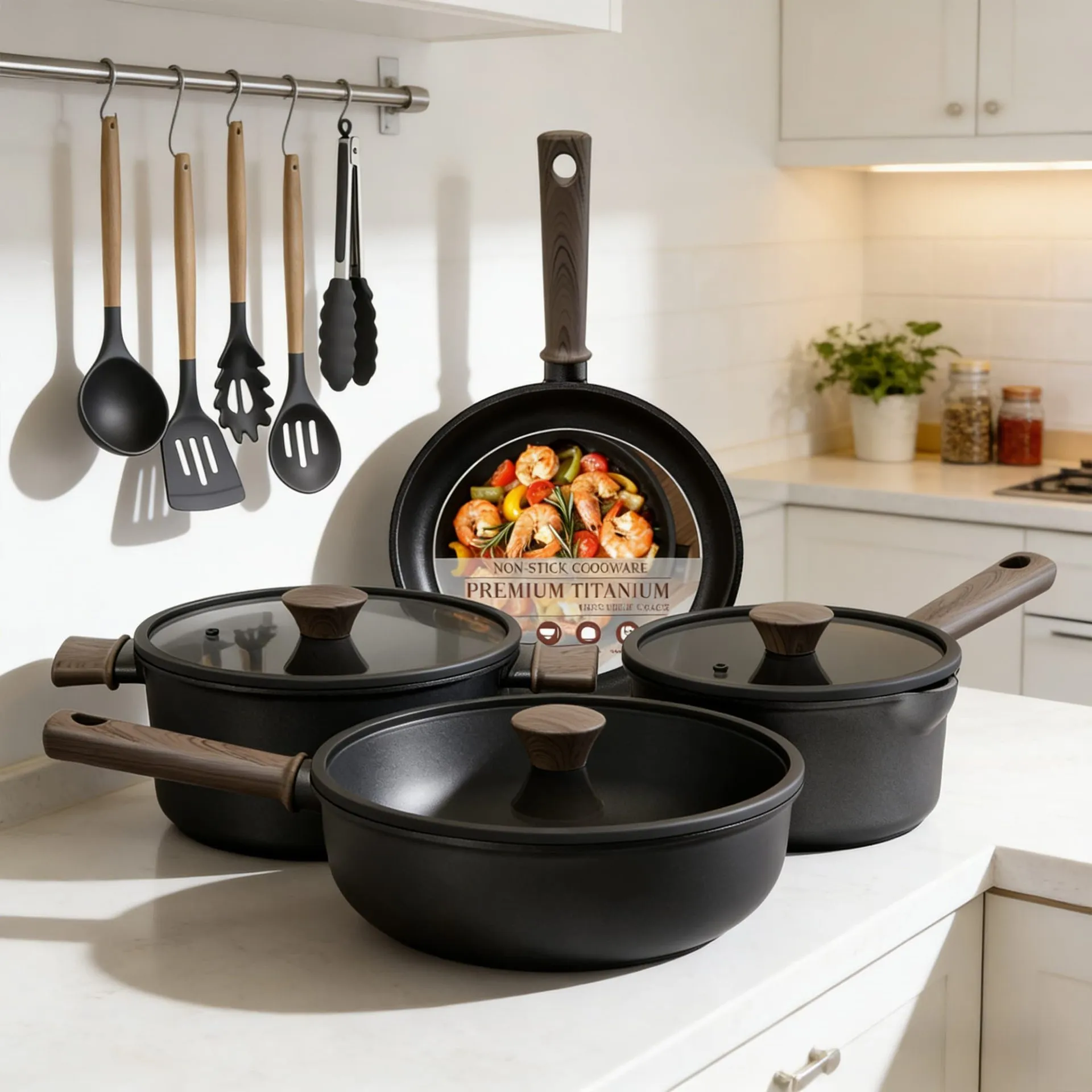
Astercook 21‑Piece Non‑Stick Ceramic Cookware Set with Detachable Handles
- Pieces →: 21‑piece set with pots, pans, lids & accessories
- Handles →: Secure removable/detachable handle system for space saving & oven use
- Non‑Stick Coating →: Premium ceramic non‑stick free of harmful PFOA chemicals for healthier cooking
- Cleanup →: Easy to clean thanks to non‑stick surface and detachable handles
What You Need to Raid From the Pantry
– 2 tablespoons Pouchong loose leaf tea (or 2 teabags if that’s what you’ve got)
– 1 cup water, just off the boil (around 185°F/85°C)
– 1 cup whole milk (or your favorite alt-milk)
– Honey or simple syrup to taste
– Optional: a pinch of sea salt
🍳 Used in this recipe
Get It on Amazon Basics✔ Free Delivery | ✔ Top Rated | ✔ Budget-FriendlyLet’s Get Brewing
Start by warming your mug—nothing kills a tea experience faster than a cold vessel stealing all the heat. Steep those Pouchong leaves for exactly 3 minutes. Any longer and you’ll lose the delicate balance; any shorter and you’re just drinking hot water that’s lying to you.
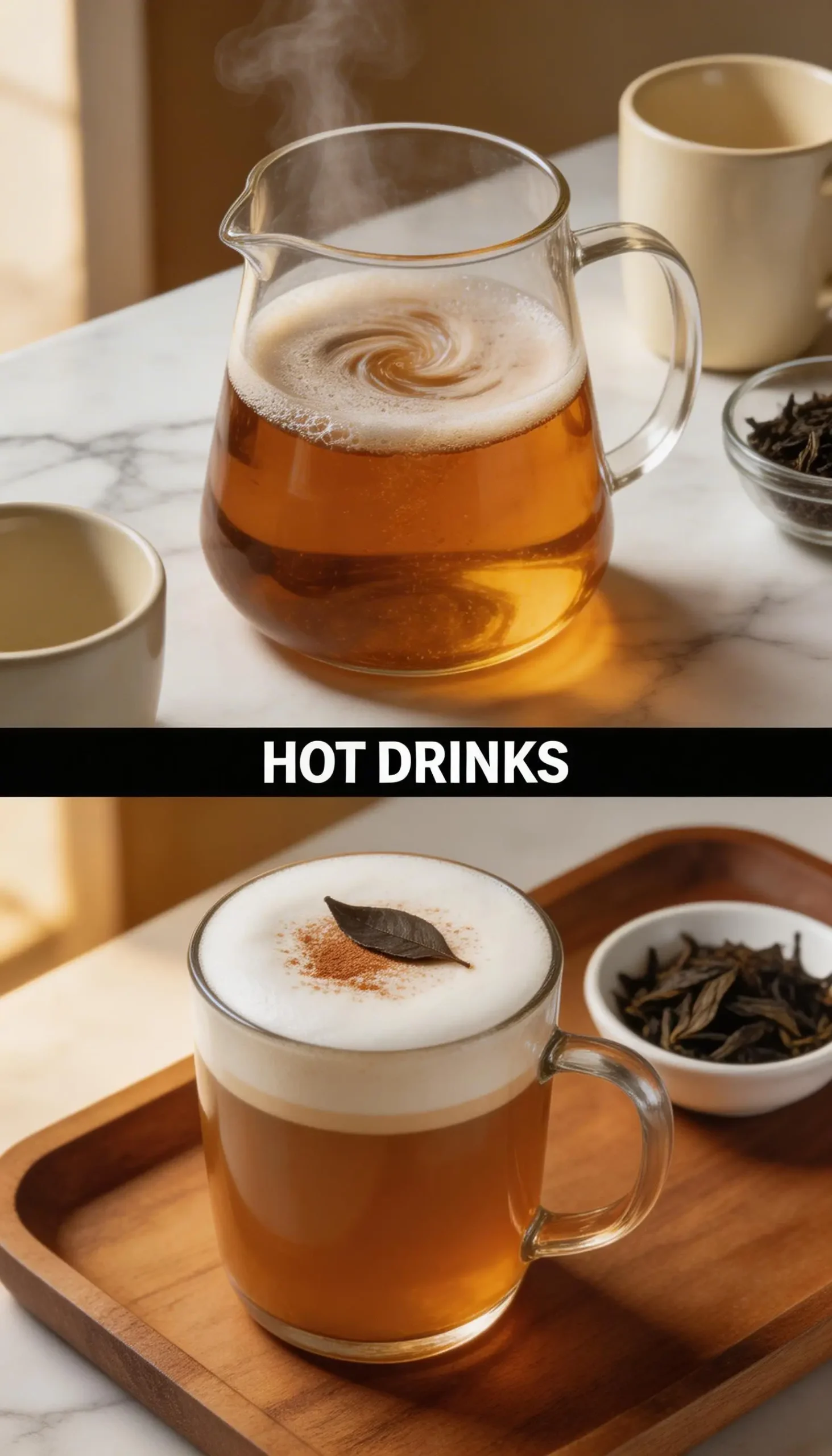
While that’s happening, steam your milk until it’s silky with microfoam. If you don’t have a steamer, don’t panic—heat the milk gently and whisk like your reputation depends on it. The goal is that luxurious texture that makes you feel like you’re drinking a cloud.
Strain the tea into your pre-warmed mug, add sweetener if using, then pour the milk in a steady stream. That swirling effect where the tea and milk meet? That’s the money shot.
🍳 Used in this recipe
Get It on Amazon Basics✔ Free Delivery | ✔ Top Rated | ✔ Budget-FriendlyThe Science of Pouchong
Here’s where things get nerdy in the best way. Pouchong sits in this sweet spot between green and oolong teas. It’s barely oxidized, which means it keeps those volatile aromatic compounds that give it that distinctive floral character. The leaves are typically rolled into tight spirals, which is why they look like little green snails before steeping.
What’s fascinating is how temperature affects extraction. Too hot and you’ll scorch those delicate notes; too cool and you’ll miss the honey undertones. That 185°F sweet spot is where the magic happens—it’s hot enough to extract flavor but gentle enough to preserve the tea’s natural grace.
Common Mistakes That Murder Your Latte
Please, for the love of all that is caffeinated, don’t oversteep this tea. Three minutes. Set a timer if you have to. I once got distracted by a phone call and came back to a bitter disaster that tasted like I’d brewed it with my regrets.
🍳 Used in this recipe
Get It on Amazon Basics✔ Free Delivery | ✔ Top Rated | ✔ Budget-FriendlyAnother killer? Using water that’s too hot. If your water is boiling, let it sit for 2-3 minutes. Your tea will thank you by not tasting like it’s been through a forest fire.
And please, please, please don’t skimp on the milk quality. This isn’t the time for that sketchy carton in the back of your fridge. Good milk (or well-frothed alt-milk) is what elevates this from “nice cup of tea” to “I need to tell people about this.”
The Perfect Moment for This Drink
This is your rainy Sunday morning companion. It’s the drink you make when you have an hour to kill and a good book. It’s also surprisingly great as an afternoon pick-me-up when you need something warming but not jolting.
🍳 Used in this recipe
Get It on Amazon Basics✔ Free Delivery | ✔ Top Rated | ✔ Budget-FriendlyI’ve served this to coffee snobs who claimed they “don’t like tea” and watched their eyebrows climb toward their hairline. There’s something about that creamy, floral combination that just works.
FAQs: Your Burning Questions Answered
How do I store leftover Pouchong tea? Keep it in an airtight container away from light and heat. Those delicate leaves are like divas—they need special treatment or they’ll lose their mojo.
Can I make this iced? Absolutely! Brew it double-strength, let it cool, then pour over ice with cold milk. It’s like the summer version of this drink decided to wear sunglasses.
🍳 Used in this recipe
Get It on Amazon Basics✔ Free Delivery | ✔ Top Rated | ✔ Budget-FriendlyHow many calories in a Pouchong Light Oolong Latte? Without sweetener, it’s around 120 calories with whole milk. Add honey and you’re looking at 160-180 depending on how generous you are.
Can I reuse the tea leaves? You bet! Pouchong is excellent for multiple infusions. The second steep will be lighter but still delicious—just add 30 seconds to your steeping time.
What if I can’t find Pouchong? Baozhong or a high-quality Taiwanese oolong can work in a pinch, though you’ll lose some of that specific floral character.
🍳 Used in this recipe
Get It on Amazon Basics✔ Free Delivery | ✔ Top Rated | ✔ Budget-FriendlyThe thing about this drink is that it rewards patience. It’s not a grab-and-go beverage; it’s a ritual. And in a world that moves too fast, there’s something revolutionary about taking three minutes to brew a cup of tea properly.
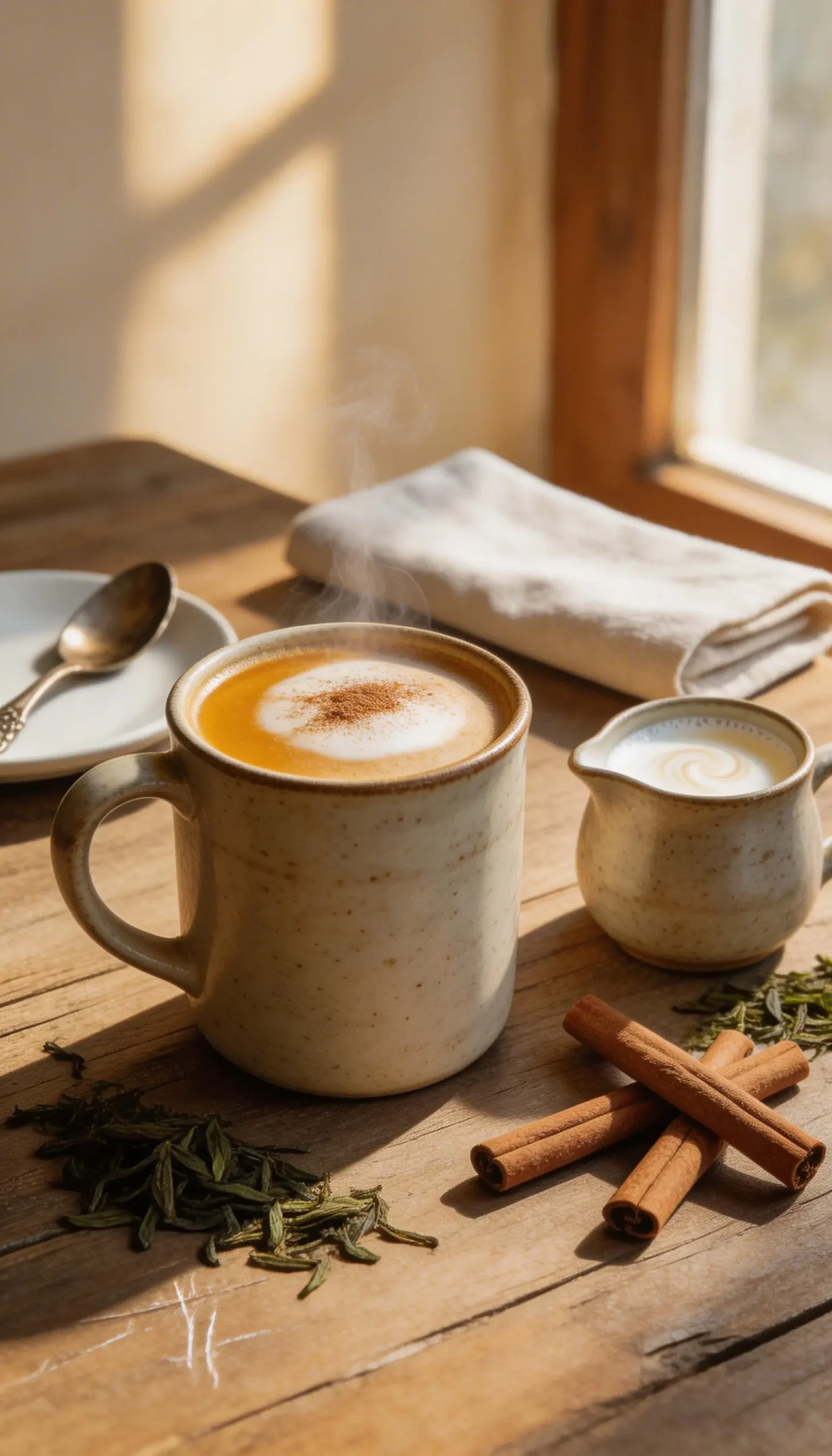
Pouchong Light Oolong Latte

Ingredients
Ingredients
- 2 tbsp Pouchong oolong tea leaves loose leaf
- 2 cups water filtered, 175°F
- 1 cup whole milk or oat milk for dairy-free
- 1 tbsp honey optional
- 1/4 tsp vanilla extract optional