
The Aroma That Wakes You Up Before Your Alarm
Let’s be real. Most breakfasts are a chore. A sad bowl of cereal, a piece of toast that’s more air than substance. But then, there’s Nasi Lemak. I remember my first bite in a bustling Kuala Lumpur hawker stall—the air thick with the scent of toasted coconut and simmering chilies. The steam rising from the fragrant rice, the crackle of tiny golden anchovies, the kick of that ruby-red sambal. It wasn’t just food; it was a full-body experience. It’s the dish that says, “Good morning. Today is going to be delicious.”
This is the Malaysian national breakfast for a reason. It’s a masterclass in texture and balance. You get the creamy, coconut-infused rice, the fiery and sweet sambal, the salty crunch of anchovies, and the cool, fresh bite of cucumber. Every single component has a job, and they all work together in perfect, hungry harmony. It’s the ultimate comfort food that also happens to be a flavor explosion. If you’ve never made it at home, you’re in for a life-changing morning. Let’s get cooking.
Recommended Product
 -40%
-40%
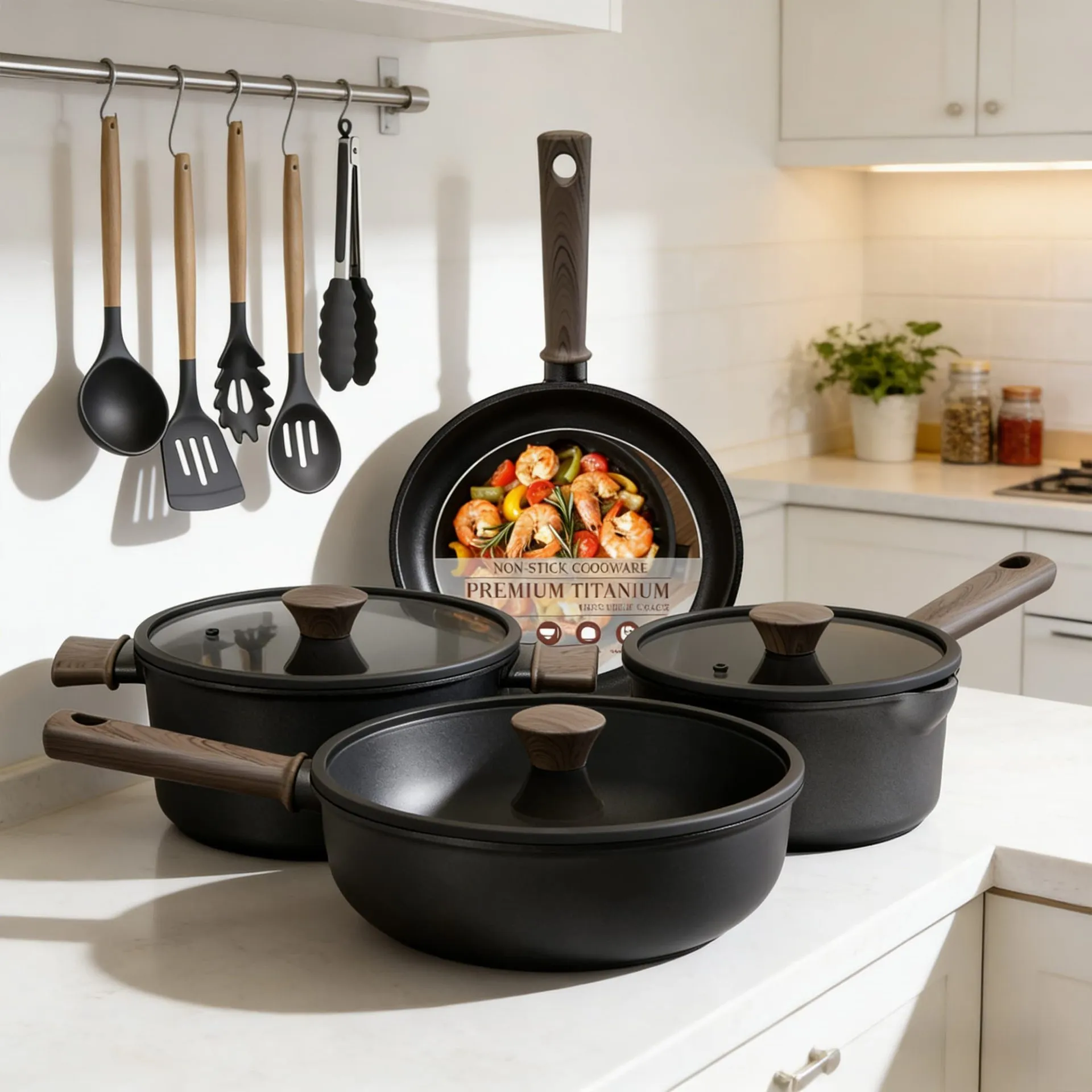
Astercook 21‑Piece Non‑Stick Ceramic Cookware Set with Detachable Handles
- Pieces →: 21‑piece set with pots, pans, lids & accessories
- Handles →: Secure removable/detachable handle system for space saving & oven use
- Non‑Stick Coating →: Premium ceramic non‑stick free of harmful PFOA chemicals for healthier cooking
- Cleanup →: Easy to clean thanks to non‑stick surface and detachable handles
The Soul of the Dish: Unlocking the Coconut Rice Magic
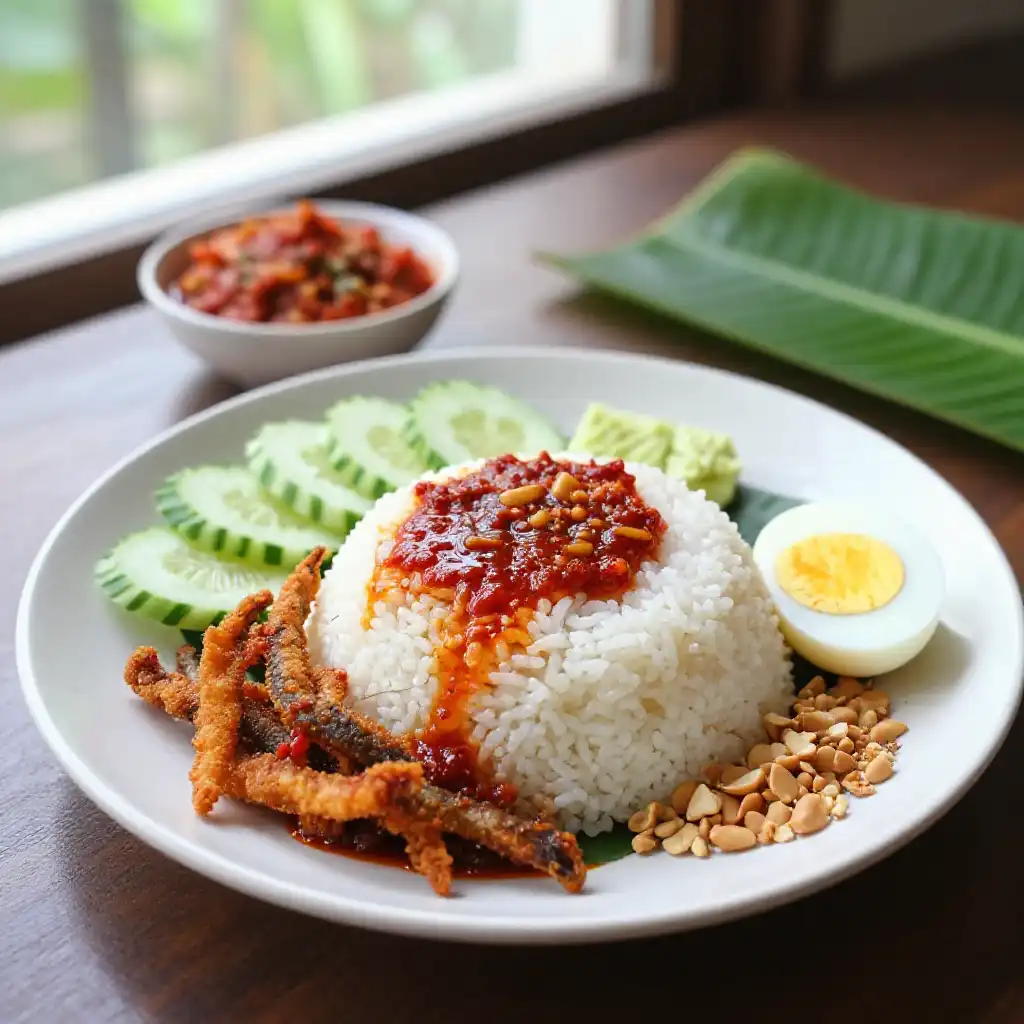
The rice is the foundation. It’s not just plain rice with a splash of coconut milk thrown in at the last second. Oh no. The secret, the absolute *science* behind this dish, is in the toasting. You start by gently frying the washed rice in a bit of coconut oil with smashed pandan leaves. This toasting step awakens the rice grains, giving them a subtle nutty fragrance that you just can’t get any other way. Then, you use the liquid gold—the coconut milk itself—as the cooking liquid. This isn’t just about flavor; it’s about creating a creamy, separate, and impossibly fluffy grain. The starches from the coconut milk coat each grain, preventing them from becoming a sticky, gummy mess. It’s the difference between sad, clumpy rice and a fragrant, cloud-like pillow that cradles the sambal perfectly. For more inspiration on how coconut can transform a dish, check out this collection of ideas over on Indixer’s drinks category. The principles of balancing creamy and sweet are everywhere!
🍳 Used in this recipe
Get It on Amazon Basics✔ Free Delivery | ✔ Top Rated | ✔ Budget-FriendlyWhat You Need to Raid From the Pantry
Before you start, gather your troops. The beauty of this recipe is in its simplicity, but every hero needs their tools.
* **For the Coconut Rice:** Jasmine rice is non-negotiable for its fragrance. Full-fat coconut milk is essential for that creamy richness. Pandan leaves are the soul, but if you can’t find them, a drop of vanilla extract in a pinch can offer a tiny nod to the aroma. A pinch of salt to make the flavors sing.
* **For the Sambal:** Dried red chilies are the backbone. Fresh shallots and garlic for that aromatic base. A touch of tamarind paste for a tangy, complex sourness. A little sugar to balance the heat. And of course, a good quality shrimp paste (belacan) for that authentic umami depth.
* **The Garnish Crew:** Crispy dried anchovies (ikan bilis) – these are your salty, crunchy jewels. Raw peanuts, toasted until golden. Cool, crisp cucumber slices. And hard-boiled eggs, because what’s Nasi Lemak without that creamy yolk?
Let’s Get Cooking: The Step-by-Step
First, tackle the sambal. It’s the flavor engine of the dish. Soak your dried chilies in hot water until they’re plump and soft. Drain them, then blend them into a fiery paste with your shallots and garlic. Now, the magic happens. In a pan, fry this paste in a bit of oil until it’s thick, fragrant, and the oil starts to separate from the paste. This is called “pecah minyak” and it’s the sign of a well-cooked sambal. Add your tamarind, sugar, and shrimp paste, and let it simmer until it’s a thick, sticky, jam-like consistency. Set it aside.
🍳 Used in this recipe
Get It on Amazon Basics✔ Free Delivery | ✔ Top Rated | ✔ Budget-FriendlyNow for the rice. Rinse your jasmine rice until the water runs clear. In your pot, gently fry the rice in a little coconut oil with your pandan leaves (or vanilla) for a minute. Add your coconut milk and a pinch of salt. Bring it to a boil, then immediately reduce the heat to the lowest setting, cover, and let it steam for 15 minutes. Don’t peek! Let the steam do its work. Once done, fluff it with a fork and breathe in that incredible aroma.
While the rice steams, toast your anchovies and peanuts in a dry pan until they’re golden and fragrant. Slice your cucumber and peel your hard-boiled eggs. You’re almost there.

How NOT to Mess This Up: A Survival Guide
First, the rice. **Do not skip the toasting step.** It’s not optional. It’s the secret handshake to authentic flavor. Also, once you’ve added the coconut milk and water, do not stir it. Just bring it to a boil, cover, and let it be. Stirring makes sticky rice, and we want separate, fluffy grains.
🍳 Used in this recipe
Get It on Amazon Basics✔ Free Delivery | ✔ Top Rated | ✔ Budget-FriendlyFor the sambal, patience is your best friend. If you rush the frying of the chili paste, it will taste raw and bitter. You must cook it low and slow until the oil separates. That’s when the magic happens and the flavors meld into something transcendent. And please, taste as you go! Adjust the sugar and tamarind to your liking. Your sambal, your rules.
The Perfect Scene: Setting Your Nasi Lemak Vibe
This dish is a chameleon. It’s the ultimate rainy-day cure. Imagine being curled up on the sofa, a steaming bowl of Nasi Lemak in your lap, the spicy sambal warming you from the inside out as the rain patters against the window. It’s also the heart of a weekend brunch spread, a showstopper that will have your friends asking for the recipe before they’ve even finished their first bite. It’s a quick, satisfying solo dinner after a long day. Serve it on a big plate for a family-style feast or portion it into individual bowls for a personal touch. The vibe is all about comfort, warmth, and a touch of culinary adventure.
Leftovers? Here’s the Plan
The beauty of Nasi Lemak is that its components store beautifully separately. Store the rice, sambal, anchovies, peanuts, and garnishes in separate airtight containers in the fridge. The rice will keep for 3-4 days. The sambal, with its high sugar and salt content, will last for over a week. To reheat, sprinkle a little water over the rice and microwave it, covered, to bring back its fluffiness. The sambal can be gently reheated in a pan. Assemble your bowls fresh for the best texture. For a complete guide on making ahead, you can always circle back to our main recipe hub for tips.
🍳 Used in this recipe
Get It on Amazon Basics✔ Free Delivery | ✔ Top Rated | ✔ Budget-FriendlyYour Nasi Lemak Questions, Answered
How to freeze Malaysian Nasi Lemak with Sambal and Anchovies?
This is a fantastic question for meal prep enthusiasts! The coconut rice freezes surprisingly well. Let it cool completely, then portion it into freezer-safe bags or containers. It will keep for up to 3 months. The sambal also freezes beautifully due to its high sugar content. Freeze it in ice cube trays for perfect portions, then transfer the cubes to a bag. However, **do not freeze the fresh garnishes** like cucumber, peanuts, or anchovies—they will lose their crunch. Assemble your bowl with the frozen-and-thawed rice and sambal, then add fresh garnishes for that essential crunch.
Calories in Malaysian Nasi Lemak with Sambal and Anchovies?
This is a rich dish, no doubt about it. A typical serving can range from 500 to 700 calories, depending on your portion sizes. The main sources are the coconut rice (coconut milk is calorie-dense) and the frying of the sambal. The good news? It’s incredibly satisfying, so a little goes a long way. You can lighten it up by using light coconut milk or reducing the amount of oil used for the sambal, but for the authentic experience, embrace the richness! It’s a celebration in a bowl.
Is Nasi Lemak spicy?
That’s the beauty of making it at home! You have 100% control. The sambal’s heat level is entirely up to you. Start with fewer chilies and add more if you’re a heat-seeker. You can also deseed the chilies to tame the fire while keeping that beautiful red color and flavor.
🍳 Used in this recipe
Get It on Amazon Basics✔ Free Delivery | ✔ Top Rated | ✔ Budget-FriendlyWhat is the role of the anchovies and peanuts?
They are the texture superstars! The anchovies provide a salty, umami punch and a fantastic crunch that contrasts with the soft rice and creamy egg. The toasted peanuts add a nutty, earthy crunch and a toasty flavor that rounds out the entire experience. Don’t skip them—they are essential for the authentic Nasi Lemak experience.
Can I make this vegan?
Absolutely! The rice and sambal are already plant-based. Simply omit the hard-boiled egg. For the sambal, check your shrimp paste (belacan) label, as some brands may contain traces of shellfish, but many are pure. You can find vegan shrimp paste substitutes or simply rely on the incredible flavor from the chilies, tamarind, and sugar. The dish will still be spectacular.
Malaysian Nasi Lemak with Sambal and Anchovies

Ingredients
Ingredients
- 1.5 cups Jasmine rice Rinsed until water runs clear
- 1 cup Coconut milk Full-fat for best flavor
- 1 cup Water
- 1 tsp Salt
- 2 tbsp Dried anchovies (ikan bilis) Rinsed and patted dry
- 2 tbsp Vegetable oil
- 1 cup Dried red chilies Soaked in hot water and drained
- 1 medium Shallot Peeled and roughly chopped
- 2 cloves Garlic Peeled
- 1 tbsp Belacan (shrimp paste) Toasted (optional, omit for vegetarian)
- 1 tbsp Tamarind paste Mixed with 2 tbsp water and strained
- 1 tbsp Sugar
- 2 whole Cucumber Sliced into rounds
- 2 large Hard-boiled eggs Peeled and halved
- 1 small Red onion Thinly sliced