
That Morning Aroma That Sticks to Your Soul
There’s a certain magic to waking up to the smell of garlic and lemon sizzling in olive oil. It’s not a loud, aggressive scent, but a warm, earthy invitation that pulls you from your dreams straight into the kitchen. This is the heart of a Lebanese morning, a ritual centered around a humble bowl of Lebanese Foul Medammas with Warm Pita. Forget your bland cereal; this is a dish that announces itself. The creamy, almost nutty aroma of slow-simmered fava beans mingles with the sharp, pungent kick of fresh garlic and the bright, sunny promise of lemon. It’s the kind of breakfast that feels like a warm hug for your insides, a savory, soulful start that powers you for hours. You tear into a piece of warm, pillowy pita, the steam ghosting up to meet your face, and you know the day is going to be a good one.
The Secret Life of the Mighty Fava Bean
Before we dive into the pot, let’s talk about the star of the show: the fava bean. This isn’t just any legume; it’s an ancient powerhouse, a little green gem that’s been feeding civilizations for millennia. Unlike its more famous cousins, the chickpea or the lentil, the fava has a personality. It’s got a deeper, earthier, almost buttery flavor that stands up to a hurricane of garlic and lemon without shrinking. The real secret to unlocking its soul is patience. You can’t rush a fava. It demands a slow, gentle simmer, allowing it to break down just enough to become creamy and luscious while still holding onto its structural integrity. It’s a dance between creamy and chunky, and mastering that texture is the difference between a good bowl of foul and a legendary one. This is where the easy Lebanese Foul Medammas with Warm Pita journey truly begins, in the quiet alchemy of bean and water.
Avoiding the Foul-Up: Common Pitfalls to Dodge
Even the most well-intentioned home cook can stumble when making this dish. It’s simple, yes, but simplicity is where the details matter most. Here’s how to ensure your foul is anything but foul.
**The Garlic Grenade:** Don’t you dare mince that garlic hours before you need it. The moment garlic is cut, it starts a chemical reaction that creates a harsh, sometimes bitter flavor. For the bright, pungent, and perfectly balanced kick this dish needs, you press or finely mince your garlic right before it hits the hot olive oil. We’re talking seconds, not minutes. This preserves its vibrant, aromatic soul.
**The Acid Test:** Lemon juice is not a one-size-fits-all ingredient. Some lemons are fierce and acidic, others are sweet and mellow. Don’t just blindly squeeze the whole thing. Start with half, stir it in, and taste. You’re looking for a bright note that lifts the earthy beans, not a sour punch that overpowers them. The lemon should make the flavors sing, not scream.
**The Olive Oil Heist:** This dish swims in olive oil, so make it count. Using a dull, lifeless olive oil is a crime against flavor. You need the good stuff—extra virgin, fruity, and peppery. It’s not just a cooking medium; it’s a primary flavor. It coats the beans, tames the garlic, and leaves a beautiful, lingering warmth on your palate. Skimp here, and the whole dish feels flat.
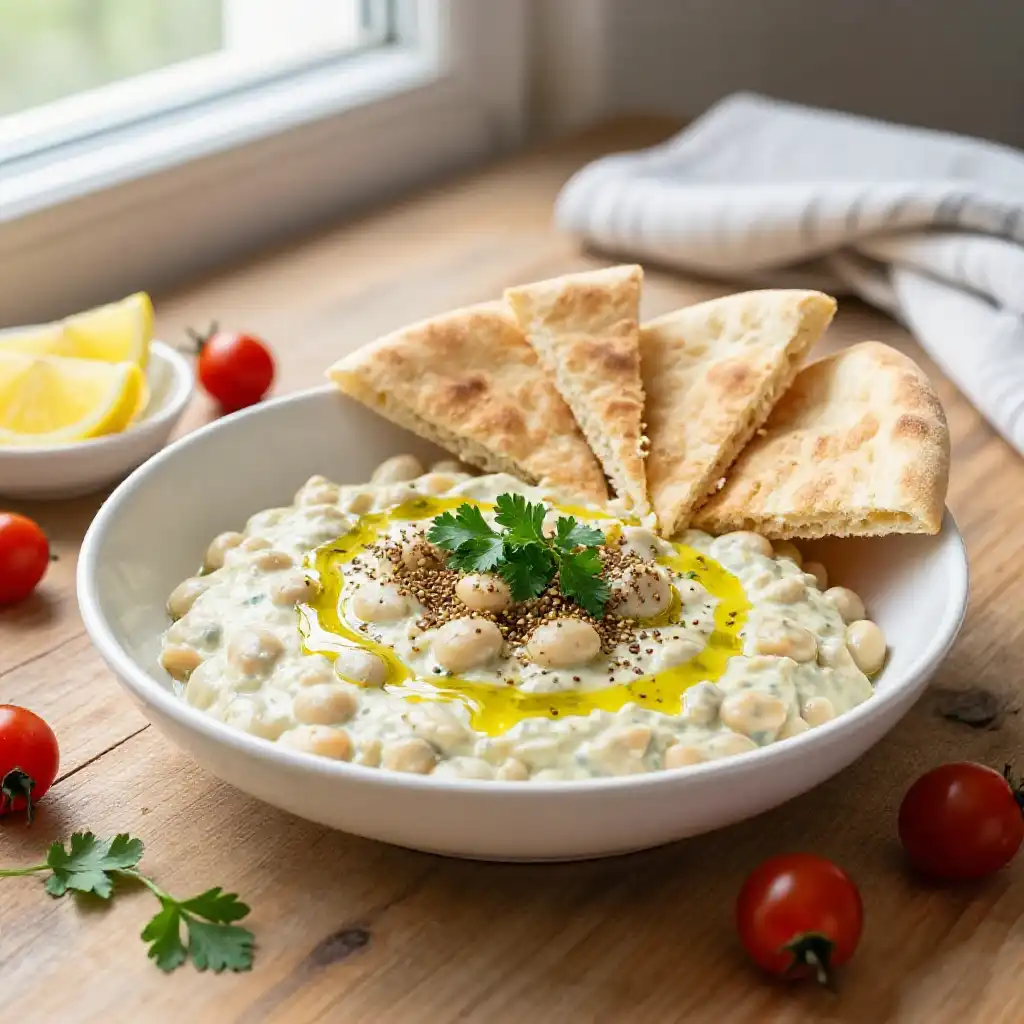
What You Need to Raid the Pantry
The beauty of this dish is its reliance on a few core, high-quality ingredients. There are no fancy tricks here, just pure, unadulterated flavor.
* **The Fava Beans:** Dried split fava beans are your go-to. They cook more evenly and have a superior texture to canned versions. If you can only find whole dried favas, just be prepared for a longer soak and cook time.
* **The Olive Oil:** As mentioned, this is a key player. Generous glugs of a robust, fruity extra virgin olive oil will make this dish sing.
* **The Garlic:** Fresh, please. Not powder, not pre-minced from a jar. The real deal.
* **The Lemon:** Freshly squeezed juice is non-negotiable. It’s the bright counterpoint to the earthy beans.
* **The Spices:** Cumin and a whisper of paprika for warmth and color.
* **The Garnish:** A shower of fresh parsley, a sprinkle of sumac for its tangy, lemony zing, and maybe a dash of red pepper flakes for a little fire.
Let’s Get Cooking: The Step-by-Step
Making this is less about precise technique and more about feeling. It’s a forgiving, rhythmic process. Here’s how to bring it all together.
First, rinse your dried fava beans thoroughly under cold water. Place them in a large pot and cover with plenty of cold water. You can do a quick soak (bring to a boil, turn off, let sit for an hour) or an overnight soak. This step is crucial for even cooking and removing some of the compounds that can cause digestive distress. Drain and rinse the soaked beans.
Return the beans to the pot and cover with fresh water by a few inches. Bring to a boil, then reduce the heat to a gentle simmer. Let them cook, uncovered, for about 45-60 minutes, or until they are completely tender and falling apart. The water should be mostly absorbed, leaving a thick, creamy broth. Mash some of the beans against the side of the pot with a spoon to encourage creaminess.
Meanwhile, in a small skillet, heat a generous amount of olive oil over medium heat. Add your freshly minced garlic and let it sizzle for just 30 seconds until fragrant. Do not let it brown! Stir in the cumin and paprika and immediately remove from the heat.
Pour this fragrant, spiced oil directly over the cooked fava beans. Stir it all together, mashing a bit more to your desired consistency. Now, for the grand finale: stir in the fresh lemon juice. Start with a tablespoon, taste, and add more until your taste buds do a happy dance. Season generously with salt and pepper.
Setting the Scene: The Foul Vibe
This isn’t a dish you eat in a rush, standing over the sink. Lebanese Foul Medammas with Warm Pita is a destination meal. It’s the ultimate rainy-day cure-all, the kind of food that makes you want to curl up on the sofa with a book and a mountain of warm pita bread. The steam fogging up the windows, the warmth spreading through your chest—it’s pure comfort.
But it’s also a social butterfly. It’s the heart of a weekend brunch spread, shared family-style in the middle of the table with bowls of chopped olives, fresh tomatoes, cucumbers, and pickles. It’s a dish that encourages lingering conversation and reaching for just one more piece of pita. It pairs beautifully with strong, sweet tea or a glass of tangy pomegranate juice. For more inspiration on what to sip alongside your feast, you can explore some fantastic smoothies and drinks to round out the meal.

Leftovers? Here’s the Plan
So you’ve made a glorious, giant pot of foul. Congratulations! The good news is that this dish is a leftover superstar. It’s one of those rare meals that might actually taste better the next day as the flavors have more time to meld and get to know each other.
To store, let the foul cool completely, then transfer it to an airtight container. It will keep happily in the refrigerator for up to 4 days. When you’re ready for round two, you can reheat it gently on the stovetop with a splash of water to loosen it up to your preferred consistency.
FAQs: Your Foul Questions, Answered
How to freeze Lebanese Foul Medammas with Warm Pita?
Freezing the foul itself is a brilliant idea! Let it cool completely, then portion it into freezer-safe containers or zip-top bags. It will keep for up to 3 months. For the best texture, thaw it overnight in the fridge and reheat gently on the stove. The pita, however, is best fresh. Freezing can make it a bit chewy. You can freeze pita successfully by wrapping it tightly and toasting it directly from frozen to bring back some life.
What are the calories in Lebanese Foul Medammas with Warm Pita?
This is a wonderfully nourishing dish. A typical serving of Lebanese Foul Medammas with Warm Pita (about one cup of foul and one large pita) clocks in around 400-500 calories. The exact number depends on how generous you are with the olive oil (which is a healthy fat!) and the size of your pita. It’s packed with protein and fiber, making it incredibly satisfying.
Can I make this in a slow cooker or Instant Pot?
Absolutely! This is one of the secrets to making an easy Lebanese Foul Medammas with Warm Pita. For an Instant Pot, cook the soaked beans on high pressure for 15-20 minutes with a natural release. For a slow cooker, cook on low for 6-8 hours or high for 3-4 hours. The garlic and spice oil should still be prepared separately in a pan and stirred in at the end.
Is fava bean the same as broad bean?
Yes! “Fava bean” and “broad bean” are two names for the exact same legume. So when you see recipes for broad beans, you can confidently use the split dried fava beans for this dish.
What if I can’t find fava beans?
While fava beans are the authentic star, in a real pinch, some people use dried lima beans. The flavor and texture will be different—less earthy and more starchy—but you can create a similar kind of bean dip. It won’t be traditional Lebanese Foul Medammas, but it will still be a delicious, hearty breakfast.
Ready to bring this taste of a Beirut morning into your own kitchen? You can find the full recipe details and more culinary adventures over at our main recipe hub: https://slapid.com/recipes//. Happy cooking
Lebanese Foul Medammas with Warm Pita

Ingredients
Ingredients
- 1 lb dried fava beans soaked overnight and peeled
- 4 cups water for cooking beans
- 3 cloves garlic minced
- 2 tbsp extra virgin olive oil plus more for drizzling
- 1 tsp ground cumin
- 1 tbsp lemon juice freshly squeezed
- 1 tsp salt or to taste
- 1/2 tsp black pepper freshly ground
- 4 pieces pita bread for serving