
The Crunch Heard ‘Round the World
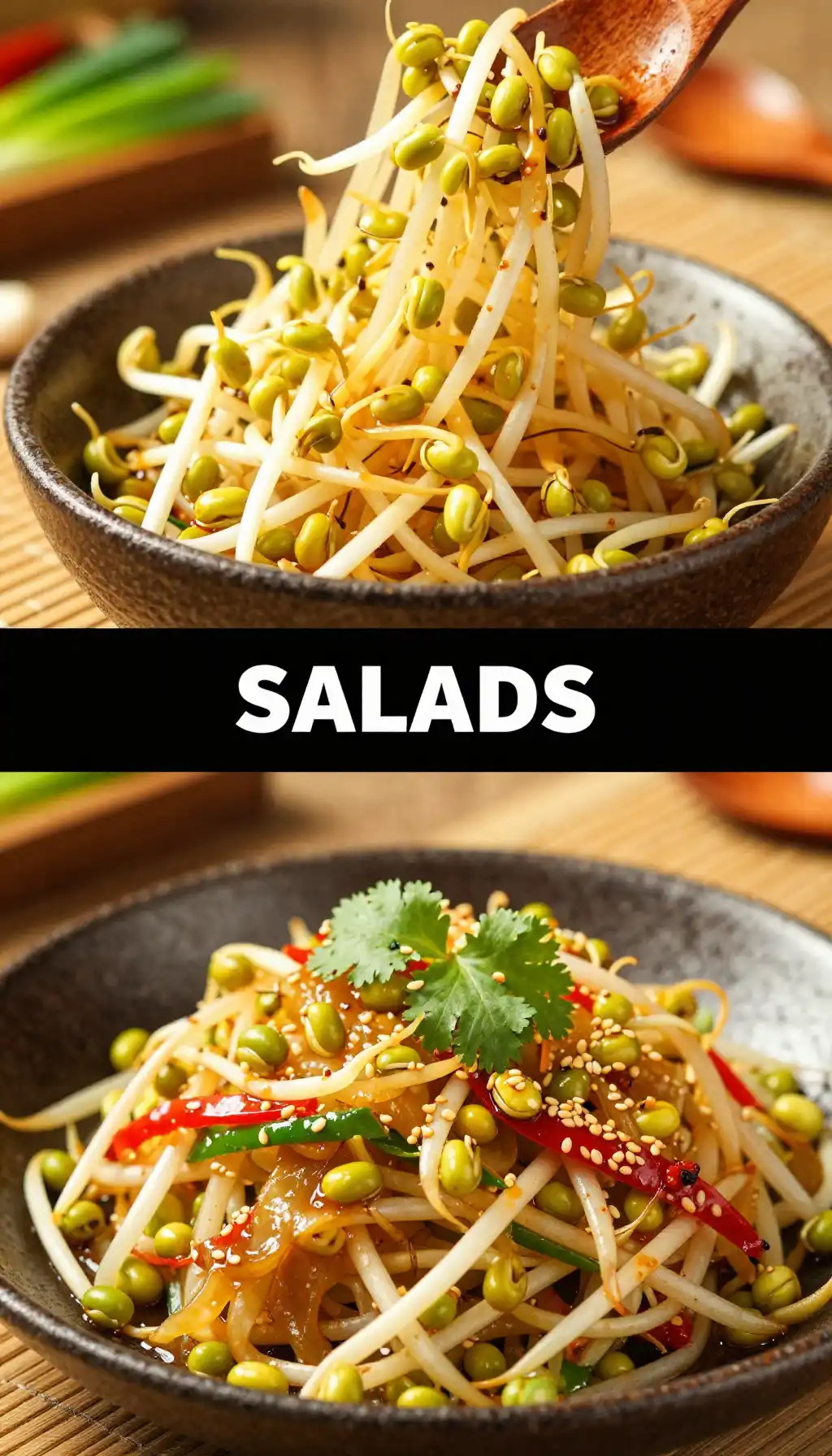
There’s a moment of pure, unadulterated bliss when you lift your chopsticks to a pile of glistening, bright white bean sprouts. It’s the moment before the crunch. The steam rising from the freshly boiled sprouts carries a whisper of earth and promise. Then, you take the first bite. It’s not just a texture; it’s a sound. A sharp, satisfying *snap* that echoes in your head, followed by a wave of savory, tangy, and nutty flavors that wakes up every single one of your taste buds.
This isn’t just a side dish; it’s a full-on sensory event. I’m talking about Korean Kongnamul Bean Sprout Salad, or as my grandmother would call it, the ultimate banchan. It’s the dish that disappears first from the table, the one you find yourself “just checking on” from the fridge at midnight. It’s simple, it’s pure, and it’s about to become your new obsession.

Why This Banchan Will Steal the Spotlight
Let’s be real, most side dishes know their place. They’re the quiet support crew, the B-list actors in the grand culinary drama of your meal. But this Kongnamul Muchim? It’s got main character energy. The magic lies in its beautiful contradiction. You get the cool, refreshing crispness of the sprouts playing against the warm, fiery kick of gochugaru (Korean chili flakes).
The nutty aroma of toasted sesame oil wraps everything in a warm hug, while a splash of rice vinegar provides that perfect tangy high note. It’s a symphony of textures and tastes that somehow manages to be both incredibly light and deeply satisfying. Unlike those heavy, oil-drenched salads that leave you needing a nap, this one makes you feel vibrant and alive. Plus, it’s ridiculously easy to whip up, making you look like a kitchen rockstar with minimal effort. If you’re looking for other ways to make vegetables the star of the show, I’m always exploring new techniques on my recipes page.
The Secret Life of Kongnamul: A Humble Sprout’s Journey
Before we get our hands dirty, let’s talk about the star of the show: the *kongnamul*. This isn’t just any old bean sprout you find languishing in a plastic tub. Kongnamul are soybean sprouts, and they are a different beast entirely. They’re the sturdy, slightly bitter, and far more complex cousin of the mung bean sprout. Their journey is a quiet marvel of nature.
These little guys are grown from soybeans, not seeds, which gives them a more robust structure and a nuttier, more profound flavor. There’s a science to their texture. The perfect kongnamul has a heady, satisfying crunch from the body of the sprout, but the long, elegant neck should still have a slight, pleasant bend—a sign that it’s cooked to perfection, not mush. The secret to unlocking their true potential isn’t fancy technique; it’s respecting that structure. It’s about boiling them just long enough to tame their raw edge but not a second more, preserving that incredible, audible snap that defines this dish. It’s this very quality that makes it a staple in Korean households and a subject of endless debate on forums like Indixer’s drink and food category (because even a simple sprout deserves passionate discussion!).
The Great Sprout Sabotage: How NOT to Mess This Up
Even the simplest recipes have their traps, and this humble salad is no exception. I’ve seen good people commit culinary crimes in the name of “speed” or “convenience.” Let’s make sure that doesn’t happen to you.
First, the **Mush Pit**. The cardinal sin is over-boiling. This isn’t a potato; it doesn’t need a long, slow simmer to become tender. You’re looking for a brief, intense blanching session. If you cook them until they’re floppy and translucent, you’ve created a sad, watery mess. The goal is “crisp-tender,” a word that should be your mantra. Drop them in boiling water, wait for that triumphant bubble to return, fish them out, and immediately plunge them into an ice bath. This halts the cooking instantly and locks in that beautiful white color and crunchy texture.
Next, the **Soggy Swamp**. You’ve boiled them perfectly, you’ve iced them like a pro. Now, the most crucial step: the squeeze. You must, and I repeat, *must* wring out every last drop of excess water from those sprouts. Imagine you’re trying to strangle a small, leafy ghost. Use your hands, twist them in a clean kitchen towel, and squeeze with all your might. A watery dressing is the enemy of flavor. If the sprouts are damp, your seasoning will slide right off and pool at the bottom of the bowl, leaving you with bland sprouts and a spicy puddle. Don’t let the swamp win.
Setting the Scene: Vibes for This Verdant Wonder
This salad is a chameleon, fitting into almost any occasion with effortless grace. Picture this: it’s a gray, drizzly Tuesday. You’ve made a big, bubbling pot of something comforting and stew-like. What’s missing? A vibrant, crunchy counterpoint to cut through the richness. That’s where Kongnamul Muchim shines. It’s the bright spark on a gloomy day, the zesty lift that brings the whole meal into focus.
Now, picture a sun-drenched Saturday barbecue. The grill is smoking, the air is thick with laughter. You need sides that are fresh, light, and can hold their own. This salad, served chilled, is the perfect palate cleanser between bites of smoky, grilled goodness. It’s the dish that makes everyone at the potluck ask, “What IS that? And can I have the recipe?” It’s equally at home on a traditional Korean dinner table alongside rice and grilled fish as it is next to a modern fusion burger. Its versatility is its superpower.
What You Need to Raid the Pantry
The beauty of this dish is in its minimalist flavor arsenal. No need for a dozen exotic ingredients; these players are all heavy hitters.
* **The Star:** 1 lb fresh soybean sprouts (kongnamul). Look for clean, crisp-looking sprouts.
* **The Aromatics:** 3 cloves of garlic, minced into a fragrant paste. 2 green onions, thinly sliced.
* **The Seasoning Powerhouse:** 1 tbsp gochugaru (Korean chili flakes) – adjust for your heat tolerance! 1 tbsp soy sauce. 1 tsp sesame oil. A pinch of sugar (just a pinch, to balance). 1 tsp toasted sesame seeds.
* **The Tang:** 1 tbsp rice vinegar.
Let’s Get Cooking: The Step-by-Step
Alright, you’ve got your ingredients, you’ve got your game face on. Let’s make some magic.
1. **The Plunge:** Bring a large pot of water to a rolling boil. Don’t be shy with the water; you want the sprouts to have room to dance. Add a generous pinch of salt to the water.
2. **The Blanch:** Add the bean sprouts to the boiling water. Set a timer for exactly 90 seconds. You’ll see them turn a brighter shade of white. This is your visual cue.
3. **The Shock:** While the sprouts are boiling, prepare a large bowl of ice water. The moment the timer goes off, use tongs or a strainer to immediately transfer the sprouts from the boiling water to the ice bath. Swish them around to cool them down completely. This step is non-negotiable for that perfect crunch.
4. **The Great Squeeze:** Drain the sprouts thoroughly. Now, grab them in handfuls and squeeze with the conviction of a thousand suns. Get all that water out! Place the squeezed sprouts in a mixing bowl.
5. **The Flavor Bomb:** To the bowl of sprouts, add your minced garlic, sliced green onions, gochugaru, soy sauce, sesame oil, sugar, sesame seeds, and rice vinegar.
6. **The Massage:** Now, get in there with your (clean) hands! Gently but thoroughly, toss and massage the dressing into the sprouts. Make sure every single sprout gets a coating of that glorious seasoning.
7. **The Final Rest:** Taste it. Does it need a little more tang? A bit more savory? Adjust now. Then, let it sit for about 10-15 minutes for the flavors to meld together beautifully before serving.
Leftovers? Here’s the Plan
So, you’ve made a glorious mountain of Kongnamul Muchim, but you couldn’t finish it all. First of all, congratulations on your restraint. Second, don’t you worry.
This dish is best enjoyed within the first 24 hours when the crunch is at its absolute peak. Store any leftovers in an airtight container in the refrigerator. The sprouts will soften a bit as they sit in the seasoning, but they will still be delicious for up to 2 days.
**A crucial note on freezing:** I’m going to stop you right there. Do not attempt to freeze this dish. The delicate structure of the bean sprouts is no match for the icy grip of the freezer. Upon thawing, you will be met with a texture that can only be described as “soggy tragedy.” The life, the crunch, the very soul of the salad will be gone. This is one dish that’s meant to be fresh, so make it and enjoy it!
Frequently Asked Sprout Questions (The FAQ)
What are the exact calories in Korean Kongnamul Bean Sprout Salad?
This is one of those magical dishes that feels indulgent but is secretly a nutritional powerhouse. A serving (about one cup) typically comes in at around 80-100 calories. It’s packed with plant-based protein and fiber, making it incredibly satisfying without weighing you down. It’s the guilt-free crunch you’ve been dreaming of.
Can I use regular mung bean sprouts for this recipe?
You can, but it will be a different experience. Mung bean sprouts are more delicate and have a higher water content. They will cook much faster (so blanch for only 30-45 seconds) and will be harder to squeeze dry. The final salad will be softer and have a less “meaty” texture. Kongnamul provides that signature robust crunch that makes this banchan so special, but if you’re in a pinch, mung bean sprouts will still taste delicious.
How to freeze Korean Kongnamul Bean Sprout Salad? (Revisited, with feeling)
Okay, I hear you. You really want to save that extra bit. I must reiterate: **don’t freeze the finished salad.** However, you *can* freeze the prepared, unsauced sprouts. After you blanch, shock, and squeeze the sprouts, you can portion them into freezer bags and freeze them for up to a month. When you’re ready to eat, thaw them in the fridge, give them another good squeeze to remove any water released during freezing, and then proceed with the dressing. It’s a workaround, but it’s the only way to preserve some semblance of texture.
Is this dish naturally vegan?
Yes! This classic recipe is 100% plant-based. The savory depth comes from soy sauce and sesame oil, the heat from chili flakes, and the tang from vinegar. No animal products are needed to achieve its incredible flavor profile. It’s a perfect example of how satisfying and complex vegan food can be.
My dressing is too thick/too thin. Help!
Not to worry, this is an easy fix. If your dressing seems too thick and isn’t coating the sprouts well, add a tiny splash of water or more rice vinegar to thin it out. If it’s too watery (probably because the sprouts weren’t squeezed enough!), just add a little more gochugaru and sesame oil to thicken it back up and boost the flavor. You are the master of your dressing!
Korean Kongnamul Bean Sprout Salad

Ingredients
Ingredients
- 4 cups fresh soybean sprouts (kongnamul) rinsed and trimmed
- 2 tbsp soy sauce use low-sodium if preferred
- 1 tbsp sesame oil toasted
- 1 tbsp rice vinegar or apple cider vinegar
- 1 tsp sugar or honey
- 1 clove garlic minced
- 1 tbsp toasted sesame seeds plus extra for garnish
- 2 tbsp green onions thinly sliced
- 0.25 tsp black pepper freshly ground