
The Scent of a Gujarati Morning
I’ll never forget the first time I truly *smelled* a Thepla. It wasn’t in a fancy restaurant, but in a bustling kitchen where the air was thick with the earthy, almost sweet perfume of fresh fenugreek leaves hitting hot oil. That sizzle, that immediate release of spice and green, is a sensory alarm clock for your appetite. It’s the scent of comfort, of a breakfast that means business. This isn’t just a flatbread; it’s a warm, spiced hug for your palate, and it’s about to become your new favorite way to start the day.
Why This Flatbread Steals the Breakfast Show
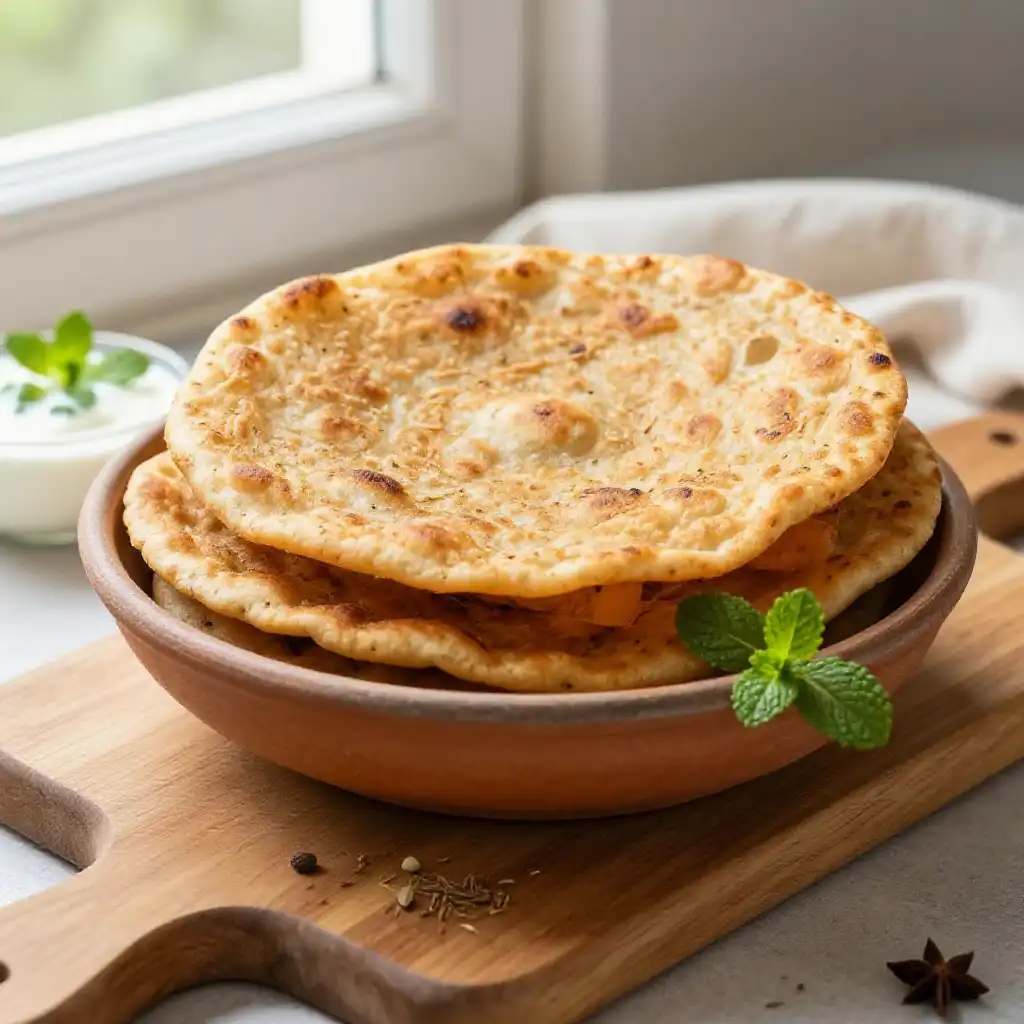
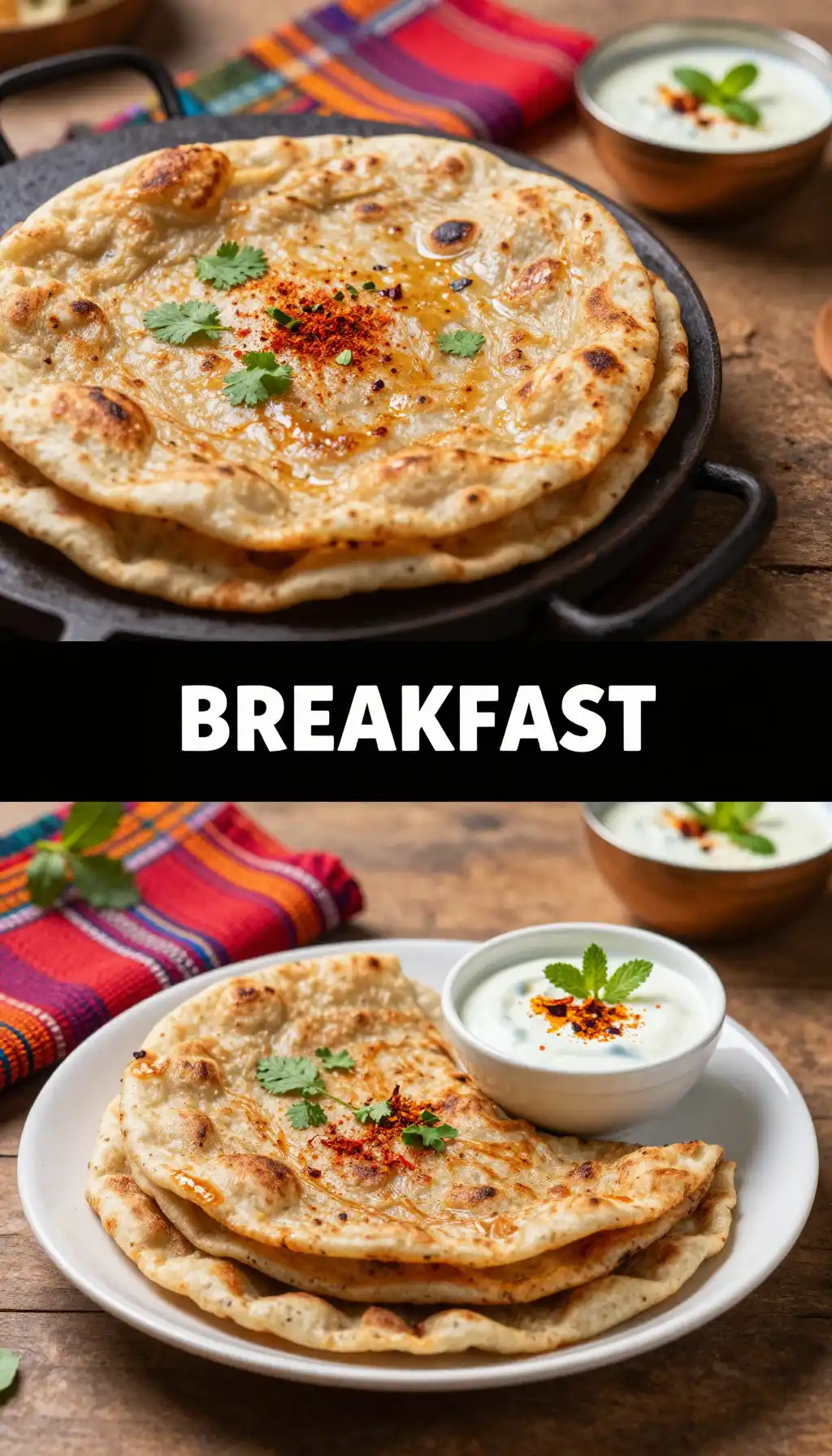
Think of a Thepla as the charismatic, flavorful cousin of the everyday roti. It’s a whole-wheat canvas painted with a vibrant palette of spices and herbs, then cooked to a perfect state of soft-yet-elastic with a few delightfully crispy spots. The magic happens when you tear into one, the steam carrying that incredible scent of fenugreek, and then you take a bite alongside a dollop of cool, tangy yogurt. The contrast is everything. It’s not dry, it’s not boring, and it’s infinitely more satisfying than a piece of toast. This is the dish that fuels your morning with both flavor and a genuine sense of well-being.
The Secret Weapon: Fresh Fenugreek Leaves
Let’s talk about the star of the show: *Methi* (fresh fenugreek leaves). This isn’t just a garnish; it’s the soul of the Thepla. The science behind its magic is fascinating. These little green leaves are packed with a compound called sotolon, which is responsible for their distinctive, slightly bittersweet, maple-like aroma. When you chop them finely and knead them into the dough, you’re not just adding color; you’re infusing every fiber of the whole wheat with that unique flavor profile. The leaves also have a natural bitterness, but in this context, it’s a beautiful, grounding note that balances the warm spices like turmeric and coriander. It’s what makes the Thepla taste distinctly Gujarati and utterly unforgettable.
What You Need to Raid From the Pantry
Gathering your ingredients is half the fun. This is a humble list, but the combination is pure alchemy.
* **The Flour Base:** Whole wheat flour is the foundation. It gives the Thepla its hearty, nutty character and that lovely, slightly coarse texture.
* **The Flavor Makers:** Fresh fenugreek leaves (the more, the merrier!), ginger, and green chilies for heat. For the spice blend, we’re using turmeric for color, red chili powder for kick, and a touch of roasted cumin powder for warmth.
* **The Binding Agents:** Yogurt and a touch of oil in the dough. Yogurt tenderizes the gluten, making the flatbreads incredibly soft and pliable.
* **The Finishing Touch:** A drizzle of oil or ghee for cooking, and of course, more yogurt for serving.
Let’s Get Cooking: The Step-by-Step
Making Thepla is a tactile joy. It’s about kneading, rolling, and listening to that perfect sizzle.
1. **Prep the Green Gold:** Wash and finely chop the fresh fenugreek leaves. Grate the ginger and chop the green chilies. The finer the chop, the better they’ll integrate into the dough.
2. **Build the Dough:** In a large bowl, combine the whole wheat flour, chopped fenugreek, ginger, green chili, and all the spices. Add a pinch of salt, a tablespoon of yogurt, and a teaspoon of oil. Mix everything together.
3. **The Knead:** Gradually add warm water, little by little, and start kneading. You’re aiming for a soft, pliable dough that isn’t sticky. Knead for about 5-7 minutes until it’s smooth. Let it rest, covered, for 20 minutes. This relaxes the gluten.
4. **Roll with It:** Divide the dough into equal-sized balls. On a lightly floured surface, roll each ball into a thin, medium-sized circle. Don’t stress about perfection—a little rustic charm is welcome!
5. **The Sizzle & Steam:** Heat a griddle or tawa over medium-high heat. Place a rolled Thepla on it. Cook for about 30 seconds until you see small bubbles, then flip. Drizzle a little oil on the top side and press gently with a spatula. Flip again, cook the other side until you see golden-brown spots. That’s your cue!
Common Pitfalls & How to Sidestep Them
Even the best chefs can have a Thepla disaster. Here’s how to avoid the most common ones.
* **The Rubber Tire:** If your Thepla turns out tough and chewy, you probably over-kneaded or used too much flour while rolling. Remember, a soft dough is key.
* **The Bland Bite:** Under-seasoning is the enemy. Be generous with the salt and spices. The fenugreek is potent, but it needs its supporting cast.
* **The Burnt Offering:** If it’s cooking too fast and burning on the outside while staying raw inside, your heat is too high. Medium heat is the sweet spot for that even, golden cook.
Serving Vibes: More Than Just a Meal
Thepla is the ultimate versatile dish. On a lazy Sunday morning, it’s the star of a slow breakfast with a big bowl of chilled yogurt and a side of mango pickle. It’s the perfect companion for a rainy day, filling the kitchen with warmth and incredible aromas. Pack it for a picnic, and it travels like a dream, staying soft and delicious for hours. It’s also a fantastic party appetizer, cut into wedges and served with an array of chutneys and dips. For more drink inspiration to pair with your meal, check out these ideas on Indixer’s smoothies and drinks page.
Leftovers? Here’s the Plan
If you somehow have any Thepla left (a rare occurrence!), they store beautifully. Let them cool completely, then stack them with a piece of parchment paper between each one to prevent sticking. Place them in an airtight container or zip-top bag. They’ll keep in the fridge for 2-3 days. To reheat, simply warm them on a dry griddle for a minute per side. They’ll regain their softness and fresh-made charm.
FAQs: Your Thepla Questions, Answered
How to freeze Gujarati Thepla Flatbread with Yogurt?
Freezing is a fantastic way to have this breakfast ready in minutes. Cook the Theplas as directed and let them cool completely. Stack them with parchment paper in between, place the stack in a freezer-safe bag, and squeeze out all the air. They can be frozen for up to a month. To reheat, thaw them in the fridge overnight or cook directly from frozen on a griddle over low heat until warmed through.
What are the calories in Gujarati Thepla Flatbread with Yogurt?
On average, one medium-sized Thepla (without the side yogurt) contains approximately 120-150 calories. The calorie count can vary based on the amount of oil used in cooking and the exact size. When served with a half-cup of plain yogurt, it makes for a balanced and satisfying meal that’s nutrient-dense.
Can I make Thepla without fenugreek leaves?
While fenugreek leaves are the classic and most flavorful choice, you can substitute with finely chopped spinach or even coriander leaves in a pinch. The taste will be different, but you’ll still have a delicious, spiced flatbread.
Is this recipe difficult for beginners?
Not at all! This is one of the most forgiving flatbread recipes. The dough is easy to work with, and the cooking process is straightforward. If you can make a basic roti, you can absolutely master Thepla.
What’s the best yogurt to serve with Thepla?
A plain, thick, full-fat yogurt (like an Indian dahi) is ideal. Its tanginess and creaminess perfectly cut through the spices of the Thepla. You can whisk it until smooth for a lovely, cooling dip.
Ready to bring this taste of Gujarat to your kitchen? For more inspiration and recipes, explore the collection at Slapid Recipes. Happy cooking
Gujarati Thepla Flatbread with Yogurt

Ingredients
Ingredients
- 2 cups whole wheat flour atta or chapati flour
- 1 cup fresh fenugreek leaves finely chopped (methi)
- 1/4 cup plain yogurt for dough
- 2 tbsp vegetable oil plus more for cooking
- 1 tsp cumin seeds
- 1 tsp turmeric powder
- 1/2 tsp red chili powder
- 1 tsp salt or to taste
- 1/4 cup water as needed for dough
- 1 cup plain yogurt for serving