That Morning in Buenos Aires (Or, How I Fell for a Flaky, Sugar-Dusted Angel)
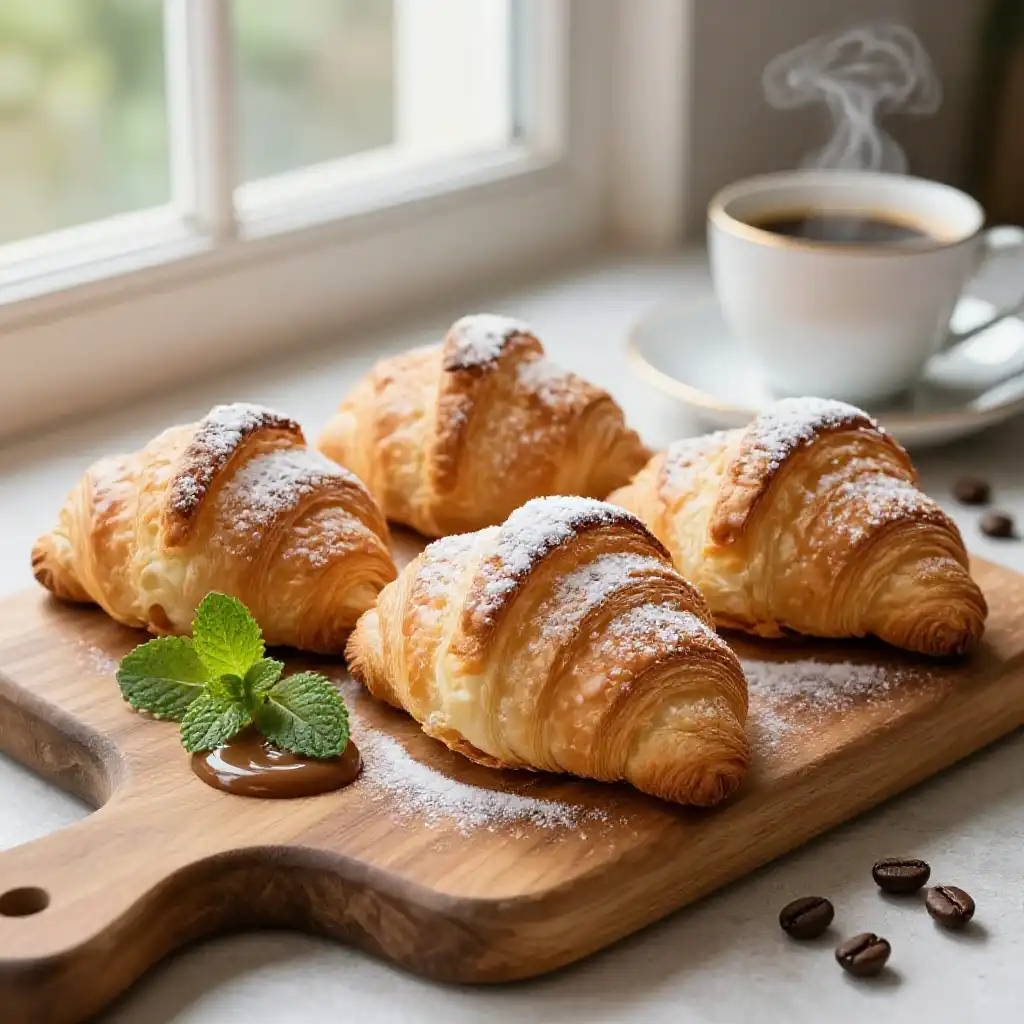
The air in Buenos Aires hums. Not with traffic, but with the clink of spoons against porcelain and the low murmur of a hundred conversations. I was tucked into a tiny café, the kind with worn marble tables and a chipped espresso machine that looked like it had secrets. The smell hit me first: a warm, buttery cloud with a ghost of vanilla and toasted sugar. Then, I saw it. A plate of pastries, crescent-shaped and glistening, their curves catching the morning light. They weren’t the intimidating, multi-layered French croissants I knew. These were softer, friendlier. They were *medialunas*—little half-moons of pure joy. One bite, and I was done. The dough was impossibly tender, shattering into a thousand buttery flakes, while the delicate sugar crust crackled and then melted on my tongue. It was a hug in pastry form. And you, my friend, can absolutely make this magic happen in your own kitchen.
Why These Aren’t Your Average Croissants
Let’s be real. Traditional French croissants are a project. A beautiful, glorious, time-consuming project. Argentinian medialunas are their more approachable, equally delicious cousin. The secret? The dough is enriched with a bit of sugar and sometimes a touch of dairy, making it inherently sweeter and more tender. There’s less of a focus on the 27-paper-thin-layers thing and more on creating a soft, pull-apart interior with a delicate, crackly glaze. They’re the pastry you make when you want that buttery, flaky experience without dedicating your entire Sunday to laminating dough. They’re forgiving, charming, and frankly, more fun to eat with your hands while still in your pajamas.
Recommended Product
 -40%
-40%
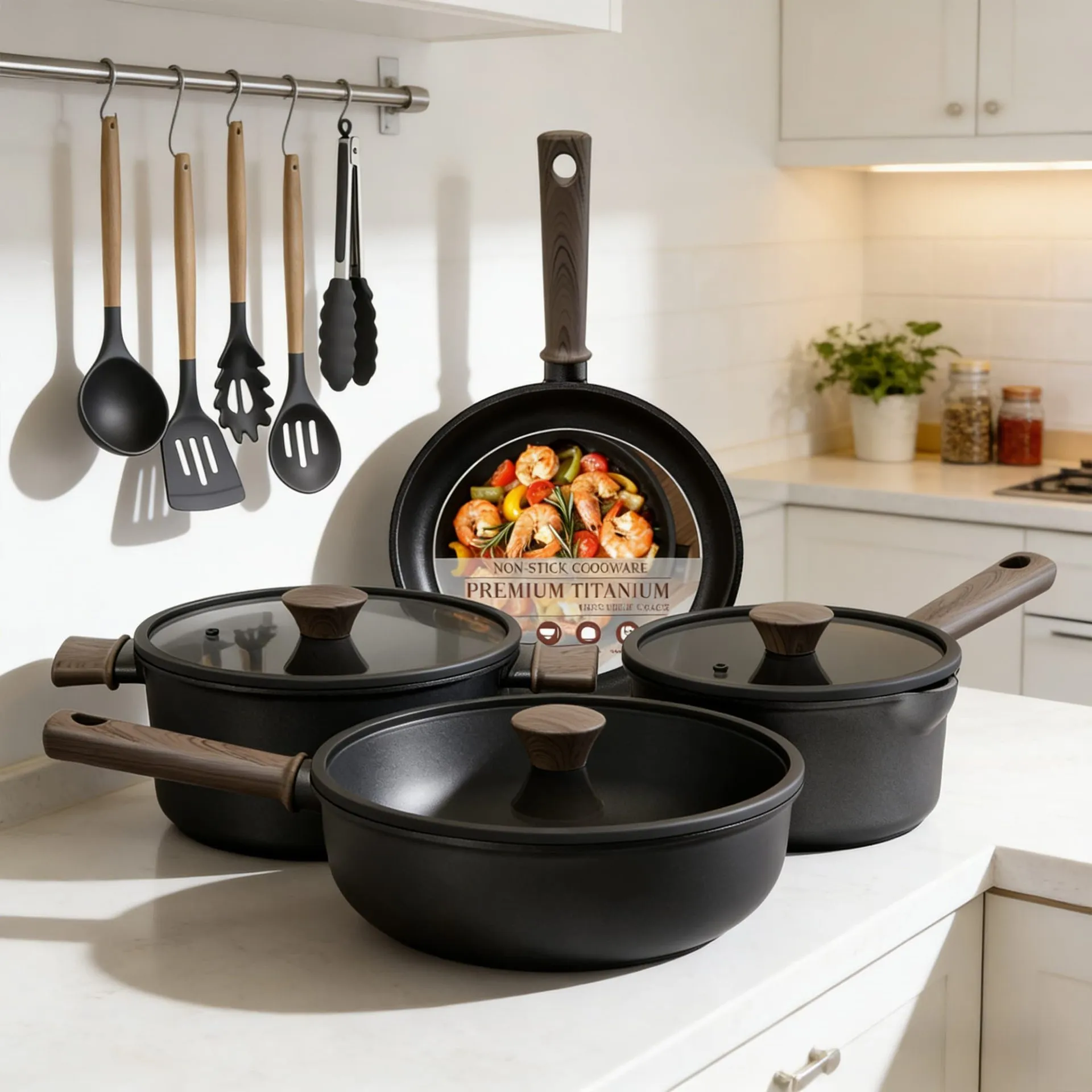
Astercook 21‑Piece Non‑Stick Ceramic Cookware Set with Detachable Handles
- Pieces →: 21‑piece set with pots, pans, lids & accessories
- Handles →: Secure removable/detachable handle system for space saving & oven use
- Non‑Stick Coating →: Premium ceramic non‑stick free of harmful PFOA chemicals for healthier cooking
- Cleanup →: Easy to clean thanks to non‑stick surface and detachable handles
The Alchemy of the Sugar Glaze
What transforms a simple butter pastry into an *medialuna*? It’s the glaze. But not just any glaze. This isn’t a thick, candy-like shell. It’s a whisper. A delicate, crystalline armor that bakes on, creating that signature crackle. The science is simple but brilliant: a super-thin syrup of sugar and water (or sometimes milk) is brushed on just before baking. As the pastry bakes, the water evaporates, leaving behind a layer of pure sugar crystals. These crystals dry into a brittle, glossy shell that shatters beautifully with each bite. It’s a textural masterpiece—a contrast between the soft, yielding crumb and the crisp, sweet exterior. This is the **secret of Argentinian Medialunas Sweet Croissants** that makes them so addictive.
🍳 Used in this recipe
Get It on Amazon Basics✔ Free Delivery | ✔ Top Rated | ✔ Budget-FriendlyLet’s Get Cooking: The Flavor Makers
Gather your army of deliciousness. This is your raid-the-pantry moment.
The Dough Foundation
– All-purpose flour (the sturdy backbone)
– Instant yeast (our rising hero)
– Granulated sugar (for sweetness and tenderness)
– Fine sea salt (to make the butter sing)
– Warm whole milk (the cozy blanket)
– Unsalted butter, cold and cubed (the flake-maker)
– One large egg (for richness and color)
The Signature Glaze
– Granulated sugar
– Water (or whole milk for a creamier finish)
🍳 Used in this recipe
Get It on Amazon Basics✔ Free Delivery | ✔ Top Rated | ✔ Budget-FriendlyThe Step-by-Step: From Bowl to Bliss
First, we wake up the yeast. In a small bowl, combine warm milk (think bathwater, not scalding) with a pinch of sugar and your yeast. Let it sit for 5-10 minutes until it’s foamy and fragrant. This is your green light.
In a large bowl, whisk together the flour, the rest of the sugar, and salt. Add the cold, cubed butter. Using your fingertips or a pastry cutter, work the butter into the flour until you have a crumbly mixture with some pea-sized butter bits remaining. This is the foundation of flakiness.
Make a well in the center and pour in the yeast mixture and the egg. Mix until a shaggy dough forms. Turn it out onto a lightly floured surface and knead for just 5-7 minutes until it’s smooth and elastic. It will be slightly sticky, but that’s okay.
🍳 Used in this recipe
Get It on Amazon Basics✔ Free Delivery | ✔ Top Rated | ✔ Budget-FriendlyShape the dough into a ball, place it in a greased bowl, cover it, and let it rise in a warm spot until doubled in size, about 1 to 1.5 hours. This is the perfect time for a second cup of coffee.
Once risen, gently punch the dough down and roll it out on a floured surface into a large rectangle, about ¼-inch thick. From the long side, cut the dough into triangles (like you would for croissants). Roll each triangle up tightly from the base to the point, curling the ends inward to form the classic crescent shape.
Place the shaped medialunas on a parchment-lined baking sheet, leaving space between them. Cover loosely and let them rise again for about 30-45 minutes, until puffy.
🍳 Used in this recipe
Get It on Amazon Basics✔ Free Delivery | ✔ Top Rated | ✔ Budget-FriendlyMeanwhile, preheat your oven to 375°F (190°C). Make the glaze by dissolving sugar in water or milk. Gently brush this mixture over the risen pastries right before they go into the oven.
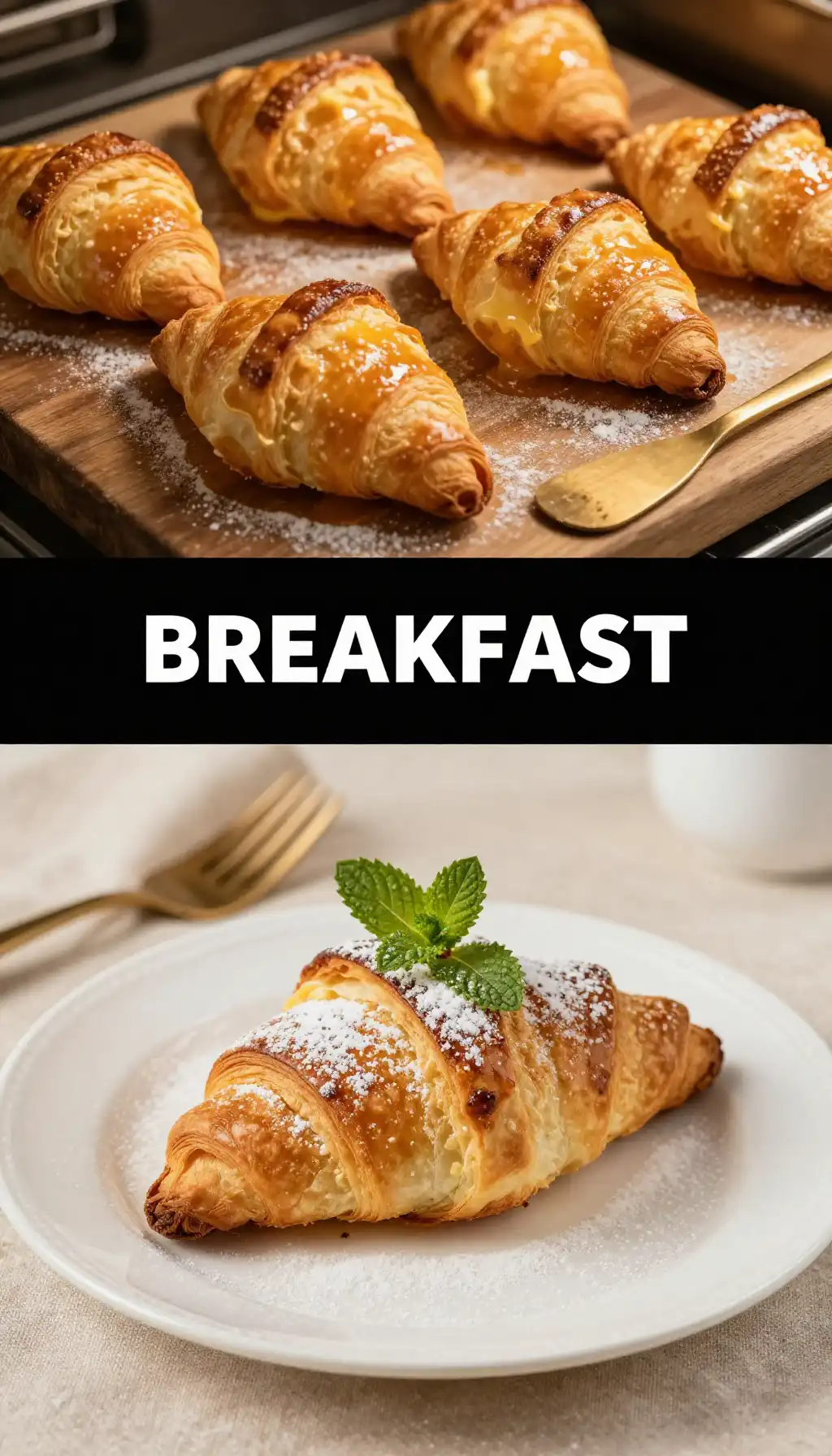
Bake for 15-18 minutes, or until they are a deep golden brown and your kitchen smells like a Parisian patisserie. Let them cool on the pan for a few minutes before transferring to a wire rack.
How NOT to Mess Up Your Medialunas: A Wit’s Guide
Even the best bakers have off days. Here’s how to avoid the most common pitfalls with a wink.
🍳 Used in this recipe
Get It on Amazon Basics✔ Free Delivery | ✔ Top Rated | ✔ Budget-FriendlyButter Blunders
Your butter must be **cold, cold, cold**. If it melts into the dough before baking, you’ll get a dense biscuit, not a flaky medialuna. Think of those butter cubes as your flake insurance policy.
The Over-Proof Panic
Letting the dough rise too long is a thing. If your dough collapses when you poke it, it’s over-proofed. The gluten has over-relaxed. The pastries will still taste good, but they’ll be denser. Trust the visual cues—a nice, puffy double in size is your goal.
The Glaze Gaffe
Too much glaze and you’ll have a sticky, overly sweet mess. Too little and you lose the signature crackle. A light, even brush is all you need. You’re glazing, not lacquering.
🍳 Used in this recipe
Get It on Amazon Basics✔ Free Delivery | ✔ Top Rated | ✔ Budget-FriendlyServing Vibes: The Perfect Medialuna Moment
Medialunas are the ultimate mood pastry. They’re perfect for a lazy Sunday morning with a strong cup of coffee, the newspaper, and the sun streaming through the window. They’re also the star of a casual brunch spread, piled high on a wooden board alongside fresh fruit and maybe some a vibrant smoothie for a modern twist. Got a rainy afternoon? Bake a batch, and let the warm, buttery aroma chase the gloom away. They’re a celebration in themselves, requiring no special occasion.
Leftovers? Here’s the Plan
If you somehow have leftovers (a rare occurrence), store them in an airtight container at room temperature for up to 2 days. To revive their glory, pop them in a 300°F (150°C) oven for 5-7 minutes. They’ll re-crisp beautifully. For longer storage, freezing is your best friend.
Your Medialuna Questions, Answered
How to freeze Argentinian Medialunas Sweet Croissants?
This is a brilliant make-ahead move! Freeze the shaped, unbaked pastries on a baking sheet until solid, then transfer them to a freezer bag. They can be baked straight from frozen—just add 3-5 minutes to the baking time. You can also freeze fully baked, cooled medialunas. Reheat from frozen in a 325°F (160°C) oven until warm.
🍳 Used in this recipe
Get It on Amazon Basics✔ Free Delivery | ✔ Top Rated | ✔ Budget-FriendlyWhat’s the calorie count in Argentinian Medialunas Sweet Croissants?
While it varies by size, a typical medialuna contains roughly 200-250 calories. They are a pastry, after all—a treat meant to be savored. The joy they bring is, of course, calorie-free.
Can I use a stand mixer for the dough?
Absolutely! Use the dough hook and mix on low speed until the dough comes together. Be careful not to over-knead; you still want some of those butter pieces intact for flakiness.
My medialunas are pale. What happened?
Your oven might be running cool, or you didn’t bake them long enough. For a deeper golden color, you can brush the pastries with an egg wash (one egg beaten with a tablespoon of water) during the last 5 minutes of baking, but the sugar glaze should provide a lovely color on its own.
🍳 Used in this recipe
Get It on Amazon Basics✔ Free Delivery | ✔ Top Rated | ✔ Budget-FriendlyAre medialunas the same as croissants?
They are related, but not identical twins. Medialunas are sweeter, softer, and often made with a slightly different dough that includes sugar and sometimes milk, giving them a more tender crumb than the classic French croissant. Think of them as the charming, slightly sweeter cousin.
Ready to bring a taste of Buenos Aires into your kitchen? This recipe for **how to make Argentinian Medialunas Sweet Croissants** is your delicious, doable guide. Don’t forget to explore more inspiring recipes on our main recipe hub. Happy baking
Argentinian Medialunas Sweet Croissants

Ingredients
Ingredients
- 2.25 tsp active dry yeast 1 packet
- 0.25 cup warm milk about 110°F
- 0.25 cup granulated sugar plus extra for sprinkling
- 0.5 tsp salt
- 2.5 cup all-purpose flour plus more for dusting
- 0.5 cup unsalted butter cold, cut into small cubes
- 1 large egg beaten, for egg wash
- 2 tbsp powdered sugar for glaze (optional)