
The Crust That Cracks Back
There’s a specific kind of magic in breaking a loaf of bread apart with your bare hands. It’s not a polite slice from a bag; it’s a primal, satisfying tear. The crust shatters with a sound like tiny fireworks, sending a cascade of golden crumbs tumbling onto the plate. Inside? A cloud. A tender, pillowy landscape that smells faintly of toasted grains and comfort. This isn’t just bread; it’s an edible hug from the Emerald Isle. You don’t need a sourdough starter that requires more maintenance than a houseplant. You don’t need to wait for yeast to wake up and smell the flour. You just need about 45 minutes and a craving for something deeply, fundamentally good. This is the recipe you make when the sky turns gray and the kettle is whistling.
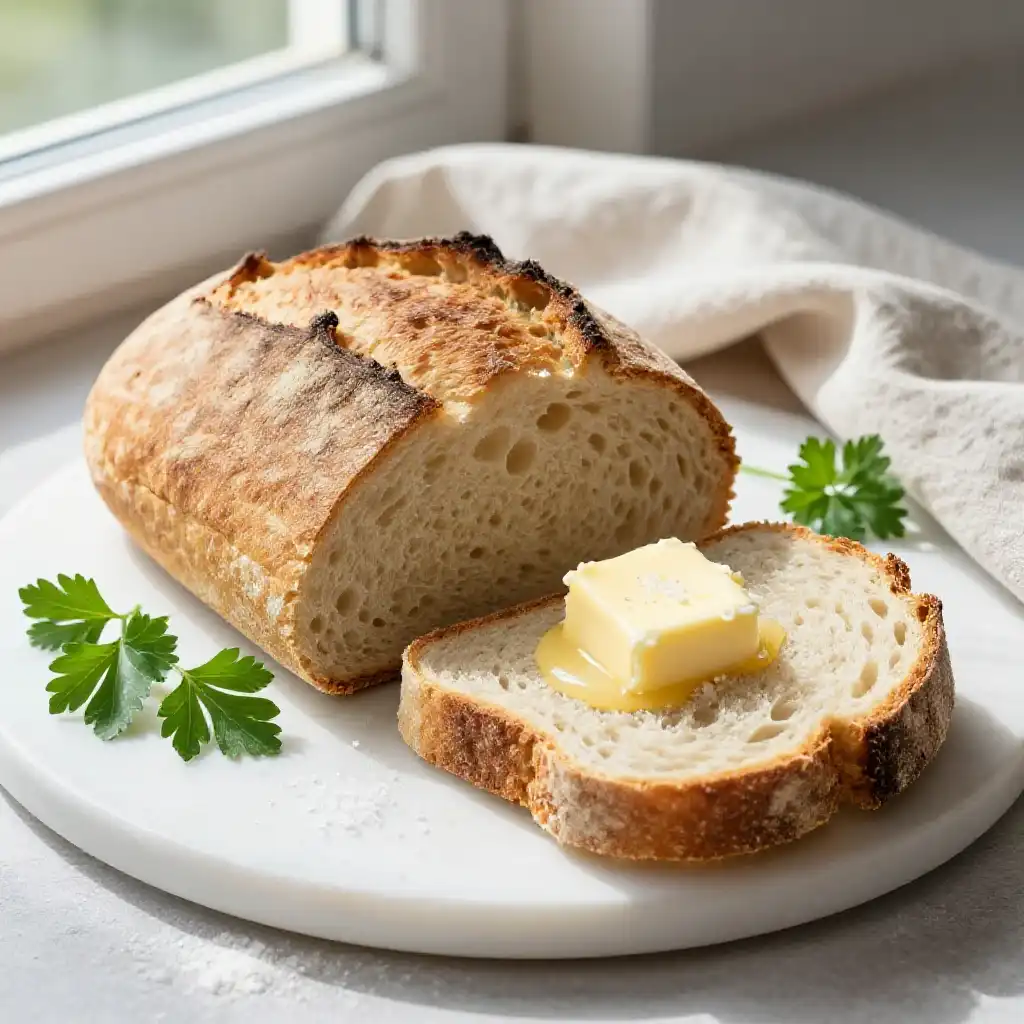
The 45-Minute Miracle: Why This Loaf is Your New Best Friend
Let’s be real: most “quick” breads are a lie. They promise speed but deliver density. This one? It’s the real deal. The secret sauce—or rather, the secret reaction—happens in seconds. You’re not baking bread; you’re capturing a chemical lightning storm in a bowl. The moment that acidic buttermilk hits the alkaline baking soda, the clock starts ticking. Foams rise, bubbles form, and the entire mixture gets a wild, airy lift. Your job is to get it into the oven before that magic settles.
Recommended Product
 -40%
-40%
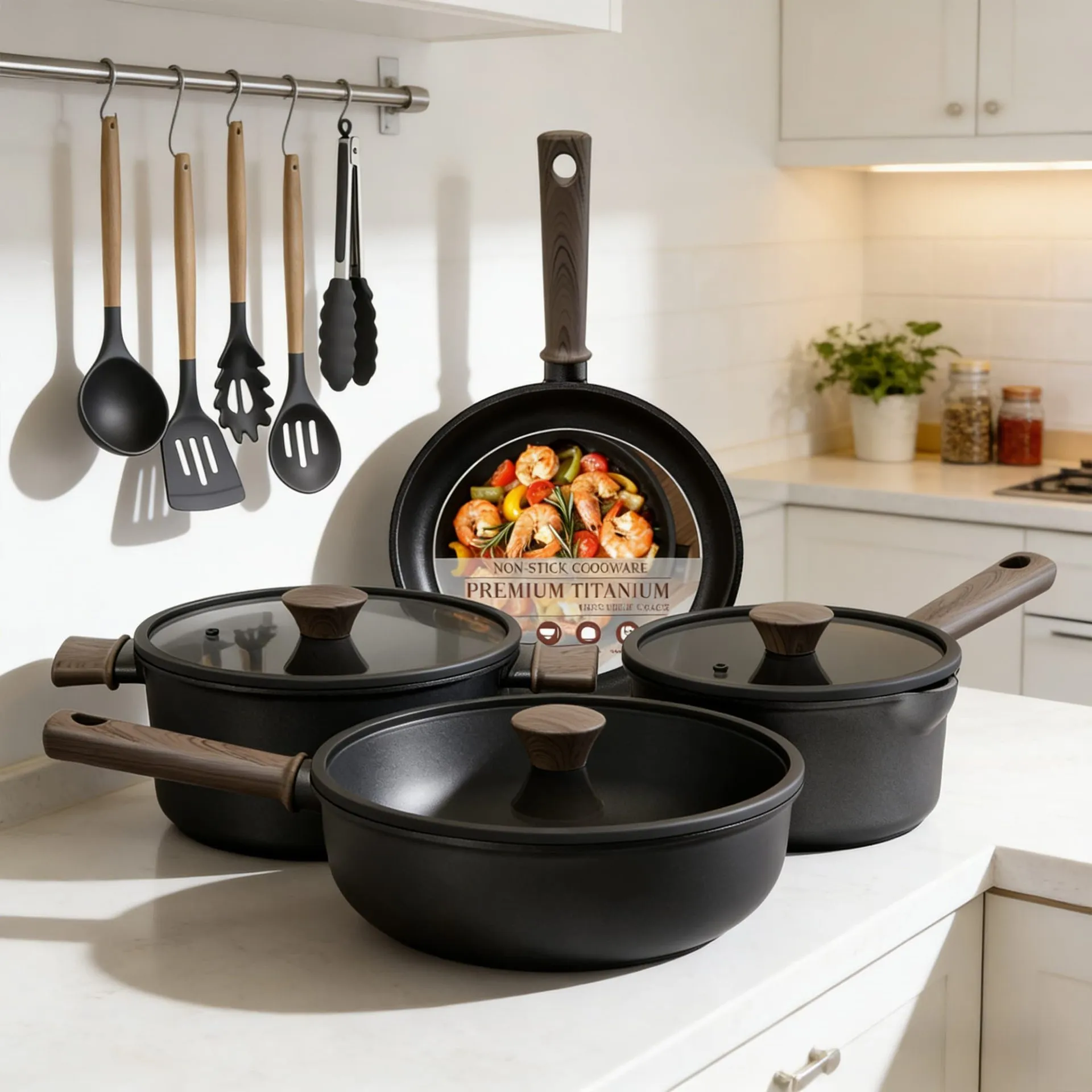
Astercook 21‑Piece Non‑Stick Ceramic Cookware Set with Detachable Handles
- Pieces →: 21‑piece set with pots, pans, lids & accessories
- Handles →: Secure removable/detachable handle system for space saving & oven use
- Non‑Stick Coating →: Premium ceramic non‑stick free of harmful PFOA chemicals for healthier cooking
- Cleanup →: Easy to clean thanks to non‑stick surface and detachable handles
This recipe is forgiving. It’s a rustic peasant loaf, born of necessity and simplicity. It doesn’t want perfect kneading; it wants a gentle touch. It doesn’t care if your shaping is a bit lopsided—it adds character! In under an hour, you go from a pile of flour to a steaming, golden loaf that tastes like it took all day. It’s the ultimate “I feel like baking but I also have a life” solution. And when you pull it from the oven and slather it with salted butter that melts into every crevice… that, my friends, is pure victory.
🍳 Used in this recipe
Get It on Amazon Basics✔ Free Delivery | ✔ Top Rated | ✔ Budget-FriendlyThe Tangy Sorcery: Unlocking the Buttermilk Secret
Why does this bread taste so distinctly… Irish? It’s all in the liquid gold. Buttermilk isn’t just a fancy word for milk that’s gone off; it’s the soul of this loaf.
It’s Not Just Milk, It’s a Chemical Reactor
Traditionally, buttermilk was the tangy liquid left behind after churning butter. The modern stuff in the grocery store is usually cultured, meaning it’s been fermented with specific bacteria, much like yogurt. This acidity is the engine of your soda bread. When it meets baking soda (a base), they have a fizzing, energetic party, creating carbon dioxide gas. This gas gets trapped in the sticky dough, inflating it instantly. This is why you can’t substitute regular milk—you’d lose the lift and the signature tang.
The Tenderizer
Beyond the lift, that acid works another kind of voodoo. It breaks down tough gluten strands in the flour, preventing the bread from becoming a chewy, tough brick. The result is a crumb that is soft, moist, and almost cake-like in its tenderness, while still having enough structure to hold up to a generous schmear of butter. It’s the difference between a chewy bagel and a melt-in-your-mouth scone. So, don’t skimp. The buttermilk is the boss here.
🍳 Used in this recipe
Get It on Amazon Basics✔ Free Delivery | ✔ Top Rated | ✔ Budget-FriendlyHow to Avoid the Brick: The “Less is More” Doctrine
The graveyard of soda breads is filled with loaves that were loved to death. This is where most people go wrong. It’s a simple recipe, but it demands respect for its simplicity.
The Cardinal Sin: Overmixing
Your first instinct will be to knead this dough like you’re training for a bread-making marathon. Stop. Put your hands down. The goal is to barely bring the dough together. As soon as you see no more dry flour, you are done. Overworking the dough develops gluten, which is the enemy of tenderness in this context. You want a shaggy, slightly sticky mass, not a smooth, elastic ball. Pinch it, fold it gently a couple of times, and plop it on the baking sheet. It’s supposed to look a little rustic and imperfect. That’s the charm.
The Wrong Cut
That iconic cross on top of the loaf? It’s not just for looks, though it does make it look authentically Irish. It serves a crucial purpose: heat penetration. A dense ball of dough will have a hard time cooking through the middle before the outside burns. The cross allows heat to race into the center of the loaf, ensuring even baking. Don’t be shy with your knife—you want to cut at least halfway to three-quarters of the way down. It helps the bread release steam and bake evenly, giving you that perfect crust-to-crumb ratio.
🍳 Used in this recipe
Get It on Amazon Basics✔ Free Delivery | ✔ Top Rated | ✔ Budget-Friendly
Serving Scenarios: Setting the Mood for Your Loaf
This bread is a chameleon. It can be the star of a cozy breakfast or the perfect companion to a hearty dinner. Picture this: a rainy Sunday morning. The windows are streaked with water, you’re wrapped in a blanket, and the only thing missing is the smell of something baking. Pop this loaf in the oven. As it bakes, the house fills with a warm, bready aroma that fights back the gloom. Serve thick, warm slices with a pat of salted butter that melts instantly, alongside a steaming mug of tea or coffee. It’s a simple, perfect moment. It’s also the ultimate companion for soups and stews. A big bowl of creamy vegetable soup or a hearty beef stew needs a sturdy, flavorful bread to sop up every last drop of broth. This is that bread. It doesn’t crumble; it soaks. It elevates a simple soup into a feast. You can find more cozy meal ideas over on Indixer’s drink and smoothie category for perfect pairings.
The Curious Baker’s FAQ: Your Questions, Answered
We’ve covered the basics, but a few questions always pop up when you’re dealing with such a straightforward (yet sometimes tricky) recipe. Here are the answers to the most common queries, so you can bake with confidence.
How to freeze Irish Soda Bread with Salted Butter?
This bread is fantastic for freezing, which means you can have fresh-baked goodness on demand. For the best results, let the loaf cool completely on a wire rack. Trying to freeze it while warm will result in a soggy, gummy texture upon thawing due to trapped steam. Once it’s stone cold, wrap it tightly in a double layer of plastic wrap, followed by a layer of aluminum foil to prevent freezer burn. It will keep beautifully for up to 3 months. To thaw, simply let it sit on the counter for a few hours. To bring back that fresh-baked magic, unwrap it and pop it in a 350°F (175°C) oven for 10-15 minutes. The crust will crisp right up!
🍳 Used in this recipe
Get It on Amazon Basics✔ Free Delivery | ✔ Top Rated | ✔ Budget-FriendlyWhat are the calories in Irish Soda Bread with Salted Butter?
While it’s a rustic, wholesome loaf, it’s still a treat! A typical slice of this Irish Soda Bread with Salted Butter (without the butter spread) lands somewhere around 180-220 calories, depending on the size of your slice and the specific brands of flour and buttermilk you use. The salted butter is the wildcard here—a tablespoon adds another 100 calories. But let’s be honest: the joy and comfort it brings are priceless. It’s a fantastic source of energy and a wonderful way to enjoy a homemade treat without the fuss of yeast breads.
Can I use regular milk instead of buttermilk?
You can, but the bread won’t be the same. The tang and the lift will be noticeably absent. If you’re in a pinch and have no buttermilk, you can make a quick substitute: add one tablespoon of lemon juice or white vinegar to a measuring cup, then fill the rest of the way with regular milk. Let it sit for 5-10 minutes until it curdles slightly. It’s a decent emergency substitute, but for the authentic taste and texture of true soda bread, cultured buttermilk is the only way to go.
My bread is pale and doughy in the middle. What happened?
Two likely culprits: your oven temperature might be too low, or your loaf was simply too big. Ovens are notorious liars, so an inexpensive oven thermometer is a baker’s best friend. Ensure you’re hitting that 425°F (220°C) mark. If your loaf was on the larger side, it will naturally need more time in the oven. Don’t be afraid to give it an extra 5-10 minutes. The best test is the “hollow sound” test. Take the loaf out of the oven and tap the bottom firmly. If it sounds hollow, it’s done. If it sounds dense and thuddy, pop it back in for another 5 minutes.
🍳 Used in this recipe
Get It on Amazon Basics✔ Free Delivery | ✔ Top Rated | ✔ Budget-FriendlyIs it possible to add other ingredients, like raisins or caraway seeds?
Absolutely! While the most traditional version is plain, many variations exist. A handful of plump raisins or currants adds a lovely sweetness that contrasts beautifully with the tangy crumb. A tablespoon of caraway seeds can be mixed into the flour for a distinct, slightly anise-like flavor that is very traditional in some parts of Ireland. Just remember the golden rule: add these extras at the very end, with the last few folds, and don’t overmix! You can find more inspiration for adapting recipes on sites like Slapid’s recipe collection. The world is your oyster… or, in this case, your loaf of bread.
Irish Soda Bread with Salted Butter

Ingredients
Ingredients
- 4 cups all-purpose flour plus extra for dusting
- 1 tbsp granulated sugar
- 1 tsp baking soda
- 1 tsp fine sea salt
- 1.5 cups buttermilk cold, shaken well
- 1 large egg lightly beaten
- 4 tbsp unsalted butter melted, plus extra for serving
- 1 cup salted butter for serving, softened