
Let me tell you about the first time I tasted Sobya. It was a blustery Cairo evening, the kind where the wind howls through narrow streets and you can see your breath in the lamplight. A street vendor handed me a steaming cup wrapped in newspaper, and the first sip was like drinking liquid warmth itself—coconut’s creamy sweetness mingling with cinnamon’s gentle heat and vanilla’s comforting hug. That’s Sobya: Egypt’s answer to winter’s chill, a drink that feels like being wrapped in a wool blanket by someone who loves you.
What You Need to Raid From the Pantry
The magic of Sobya lies in its simplicity. You’ll need unsweetened shredded coconut—the kind that smells like a tropical breeze when you open the bag. Whole milk forms the creamy base, while sugar adds just enough sweetness to make it dessert-worthy. The aromatic trinity of cinnamon sticks, whole cloves, and a split vanilla bean transforms this from ordinary to extraordinary. A handful of raw rice gives body and a subtle nutty undertone that makes each sip more satisfying than the last.
Let’s Get Cooking
The process is almost meditative. Start by rinsing your rice until the water runs clear—this removes excess starch that could make your drink gummy. Toast the coconut in a dry pan until it’s fragrant and just barely golden; this step unlocks flavors you didn’t know coconut had. Combine everything in a pot, bring it slowly to a simmer, and let it bubble gently for about 20 minutes. The kitchen will smell like heaven. Strain it through a fine mesh sieve, pressing gently on the solids to extract every drop of flavor. Serve it hot, maybe with an extra sprinkle of cinnamon on top if you’re feeling fancy.
The Science of Simmering
Here’s where Sobya gets interesting: that gentle simmer does more than just heat the ingredients. The heat coaxes fat-soluble flavor compounds from the coconut and spices into the milk, creating layers of taste that cold mixing could never achieve. The rice releases its starches slowly, thickening the drink to a luxurious consistency without any added cream. Those whole spices? They’re not just for show—their essential oils bloom in the warm milk, creating an aroma that’s both energizing and calming at once.
Common Pitfalls (And How to Dodge Them)
Don’t rush the simmer! High heat will scorch the milk and give you that unpleasant “cooked” taste. Also, resist the urge to blend everything at the end—those coconut fibers are meant to be strained out, not pulverized. If your drink seems too thin after straining, it probably needs another five minutes of gentle cooking. Too thick? A splash of warm milk will rescue it. And please, use whole spices, not ground ones. Ground spices will make your drink cloudy and gritty, like you’re drinking sand with your coconut.
When and How to Serve
Sobya shines brightest on cold evenings when you need something to chase away the chill. It’s perfect for post-dinner lingering, served in small cups that you cradle with both hands. In Egypt, vendors sell it streetside during winter months, and families make big batches to share. It’s equally at home in a ceramic mug while you’re curled up with a book or poured into elegant glasses for a dinner party. The drink’s natural richness means it pairs beautifully with something light and crisp—maybe a plate of fresh dates or a few squares of dark chocolate.
Your Sobya Questions Answered
Can I make Sobya ahead of time? Absolutely! It keeps beautifully in the fridge for up to three days. The flavors actually deepen overnight, making it even more delicious the next day.
How do I reheat it without ruining the texture? Gentle is the key word here. Warm it slowly on the stovetop, stirring occasionally, or use short bursts in the microwave, stirring between each burst.
Can I freeze Sobya? You can, though the texture changes slightly. Freeze in airtight containers for up to a month, then thaw overnight in the fridge and reheat gently.
What if I can’t find vanilla beans? Use 1-2 teaspoons of pure vanilla extract, added after cooking once the mixture has cooled slightly. The flavor will be slightly different but still wonderful.
How many calories are in a serving? A typical 8-ounce serving contains approximately 180-220 calories, depending on how much sugar you add and whether you use whole or reduced-fat milk.
The Soul of Sobya
There’s something deeply comforting about traditions that span generations. Sobya isn’t just a drink; it’s a ritual, a way of marking the changing seasons and finding warmth in community. Whether you’re making it because you miss Cairo’s winter nights or because you’re curious about Egyptian cuisine, you’re participating in something bigger than yourself. Each cup carries with it the stories of vendors who’ve perfected their technique over decades, of families gathering around steaming pots, of cold hands finding warmth in simple ingredients transformed by patience and care.
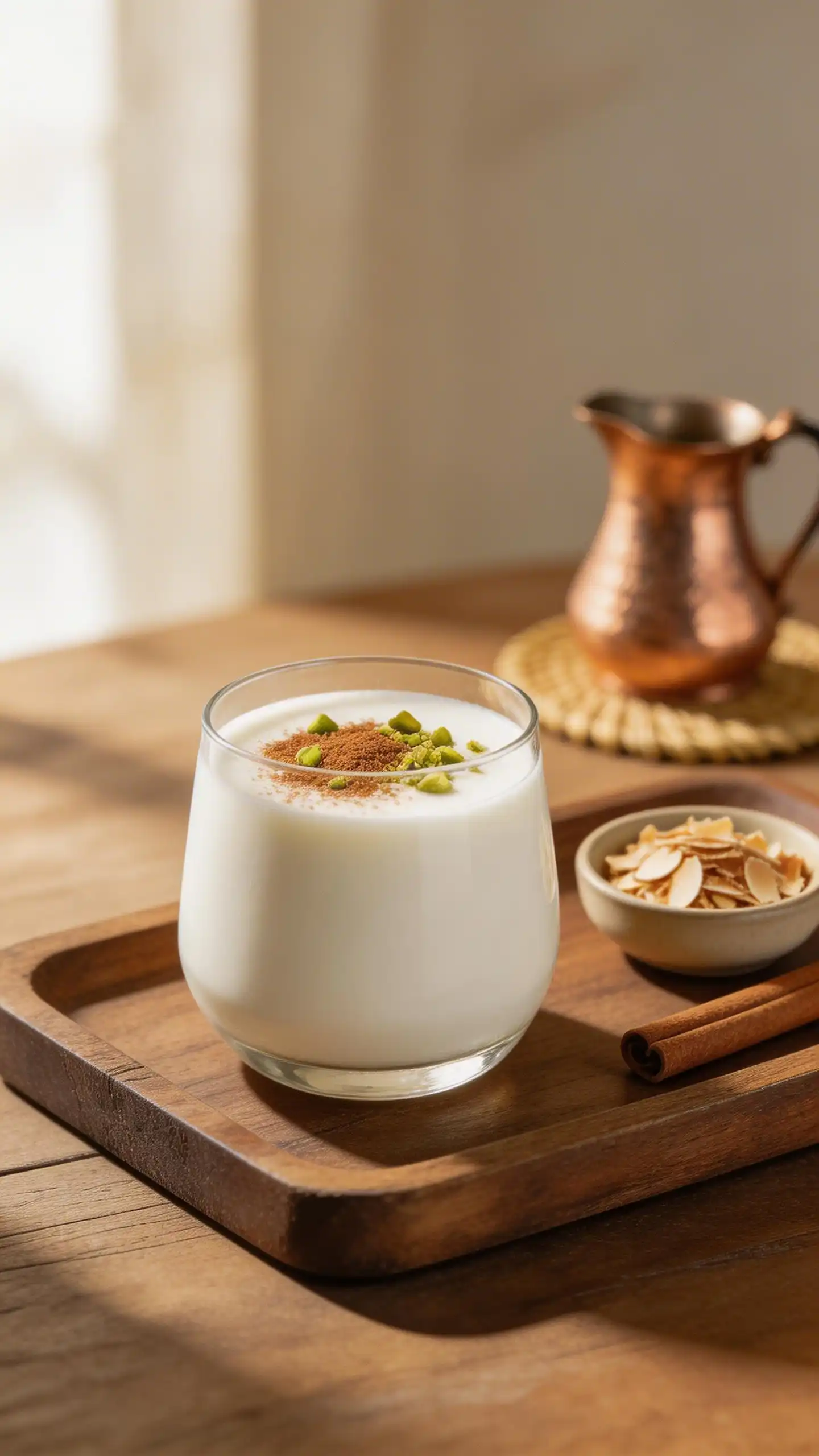

Ready to bring a taste of Egyptian winter into your kitchen? This isn’t just another coconut drink—it’s a journey in a cup, a story told through spices and steam. Make a pot tonight, and let the magic of Sobya warm you from the inside out.
Sobya Egyptian Coconut Drink

Ingredients
Ingredients
- 4 cups whole milk or coconut milk for dairy-free version
- 1 cup unsweetened shredded coconut or coconut chips
- 1/4 cup sugar adjust to taste
- 1 tsp vanilla extract
- 1/2 tsp ground cinnamon plus extra for garnish
- 1/4 tsp ground cardamom optional but traditional
- 1/4 cup water for soaking coconut
- 2 tbsp cornstarch mixed with 2 tbsp water for thickening