Imagine a fruit that looks like a humble, sand-dusted potato but tastes like it was forged in a celestial bakery. That, my friends, is the sapodilla.
The first time I cracked one open, the scent hit me like a wave of warm nostalgia—brown sugar, ripened pear, and a hint of malty caramel. It was soft, grainy in the most pleasant way, and impossibly sweet. I remember thinking, “Why aren’t we putting this in everything?”
Then I added cinnamon. And then I added a splash of creamy almond milk.
Suddenly, I wasn’t just drinking a smoothie; I was drinking a liquid dessert that had the audacity to call itself a healthy breakfast. It’s thick, it’s velvety, and it carries a depth of flavor that your average strawberry-banana blend could only dream of.
The Tropical Secret Hiding in Plain Sight
If you’ve never encountered a sapodilla (also known as *chico* or *naseberry*), you are about to have a culinary awakening. This isn’t your typical watery tropical fruit. It’s dense, fiber-rich, and carries a natural sugar content that makes honey look like an amateur.
The magic happens when that malty, “brown sugar” profile meets the woody warmth of cinnamon. It’s a match made in flavor heaven. While most smoothies rely on frozen berries for tartness, this one leans into the cozy, comforting vibes of an autumn afternoon—even if you’re drinking it under a palm tree.
Check out more incredible drink inspirations over at Indixer’s smoothie collection to see how to level up your morning routine.
But here is the kicker: Sapodilla is a powerhouse of nutrients. We’re talking about a massive hit of dietary fiber, Vitamin A, and Vitamin C. It’s the kind of drink that keeps you full until lunch while making your taste buds think they’re at a high-end patisserie.
What You Need to Raid From the Pantry
Let’s get one thing straight—we aren’t doing “boring” here. To make an easy Sapodilla Cinnamon Smoothie, you need quality components that play well together.
The MVP: Ripe Sapodillas
You want them soft. If they feel like a rock, walk away. When you press the skin, it should give slightly, just like a perfectly ripe avocado. Peel them, de-seed them (the seeds are black, shiny, and definitely not edible!), and you’re ready to go.
The Warmth: Ceylon Cinnamon
Don’t be shy with the spice. Cinnamon isn’t just a garnish; it’s the bridge that connects the caramel notes of the fruit to the creaminess of the base. It adds a “baked good” aroma that is absolutely intoxicating.
The Creamy Base: Nut Milk or Yogurt
I personally love using unsweetened almond milk or oat milk. They have a neutral, nutty profile that lets the sapodilla shine. If you want it extra thick, a dollop of Greek yogurt or a scoop of coconut cream will turn this into a thick-shake.
The Chill Factor: Frozen Banana
Adding half a frozen banana is my secret weapon. It doesn’t overwhelm the flavor, but it provides that frosty, “soft-serve” texture that makes a smoothie truly elite.
Searching for more ways to use tropical fruits? Dive into the archives at Slapid Recipes for more kitchen magic.
The Step-by-Step: Let’s Get Blending
Making this Sapodilla Cinnamon Smoothie is about as difficult as tying your shoes (actually, probably easier if you favor loafers).
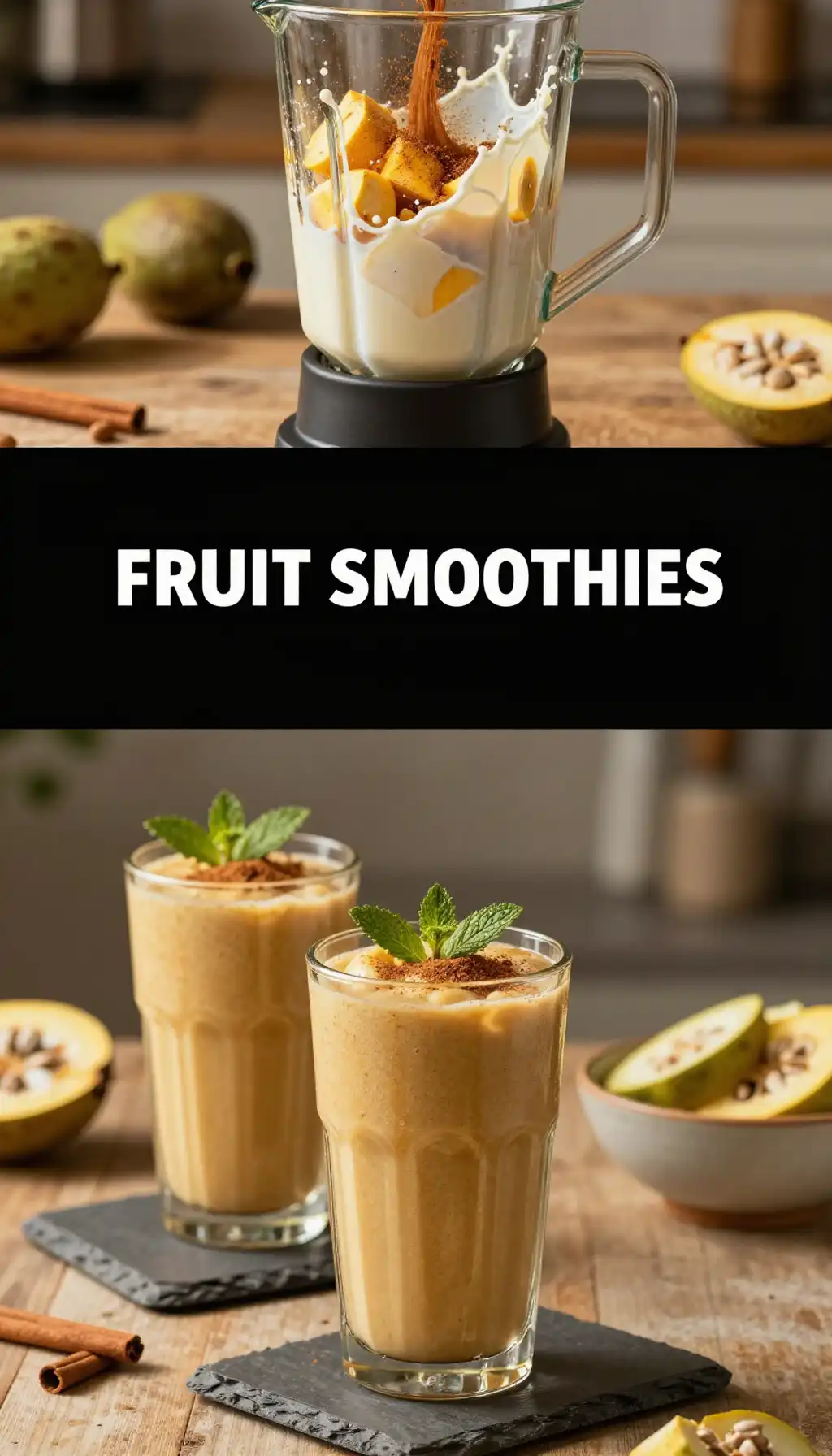
1. Prep the Fruit: Scrape the flesh out of two large, ripe sapodillas. Ensure every single seed is removed. Those seeds have a little hook on them—you don’t want them in your blender!
2. Layer the Liquids: Pour 1.5 cups of your milk of choice into the blender first. This ensures a smooth vortex and prevents the fruit from getting stuck at the bottom.
3. The Add-ins: Toss in your sapodilla flesh, the frozen banana, half a teaspoon of cinnamon, and a tiny pinch of sea salt.
4. The Blitz: Start on low and ramp up to high. Let it whirl for at least 45 seconds. We want “silk,” not “chunky.”
5. The Taste Test: Dip a spoon in. If your sapodillas weren’t quite sweet enough, add a teaspoon of maple syrup or a pitted date. Usually, though, the fruit does all the heavy lifting.
How NOT to Ruin Your Smoothie
Even the simplest recipes have traps. Don’t fall into them.
The “Unripe” Disaster: If you use an unripe sapodilla, your mouth will feel like you just ate a handful of cotton balls and glue. That’s the tannin. It’s astringent and unpleasant. Only blend when they are squishy-soft!
The Seed Situation: I mentioned this, but I’ll say it again. Check for seeds twice. They are hard, slick, and will ruin your blender blades (and your morning).
The Temperature Fail: A lukewarm smoothie is just “fruit soup.” If your ingredients aren’t cold, add a handful of ice. You want that crisp, refreshing temperature to balance the heavy caramel flavors.
Setting the Vibe: When to Drink This
This isn’t just a “post-gym” drink. This is a mood.
It’s the perfect companion for a slow Sunday morning when the sun is streaking through the windows and you’re not quite ready to face the world. It’s also a fantastic “pick-me-up” for that 3 PM slump when you’re craving something sugary but don’t want the crash.
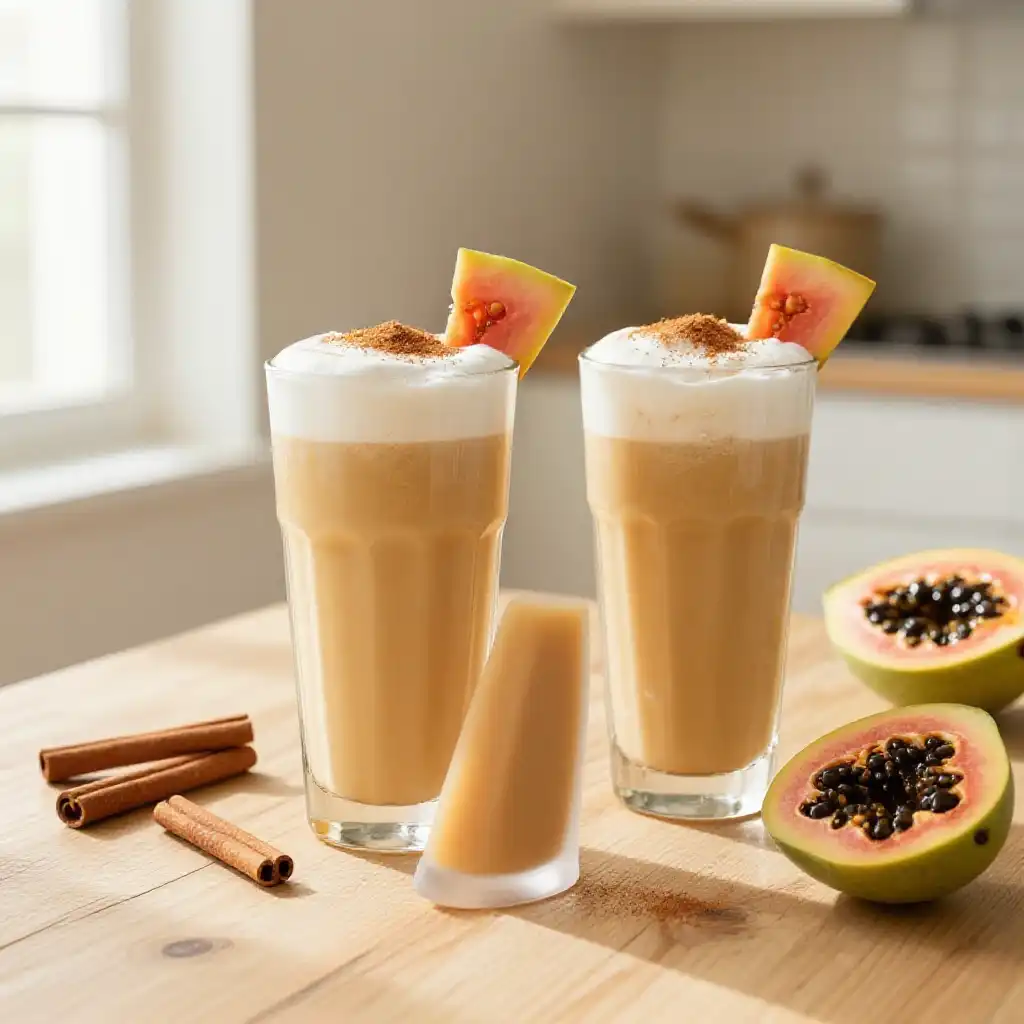
Serve it in a tall glass with a dusting of extra cinnamon on top. If you’re feeling fancy, a drizzle of almond butter around the inside of the glass makes it look like a five-star hotel treat.
Commonly Asked Questions (The Smoothie Intel)
How to freeze Sapodilla Cinnamon Smoothie?
If you’ve made a giant batch and can’t finish it, don’t let it go to waste! The best way to freeze it is in silicone muffin liners or ice cube trays. Once frozen, pop the cubes into a freezer bag. When the craving hits, just toss the cubes back into the blender with a splash of milk to loosen them up. It’ll be just as creamy as day one.
How many calories in Sapodilla Cinnamon Smoothie?
A standard serving (using almond milk and a small banana) typically clocks in between 250 and 320 calories. Most of this comes from the natural fruit sugars and the high fiber content of the sapodilla, making it a very satiating meal replacement or a hearty snack.
Can I make this ahead of time?
You can, but the texture is best fresh. If you must meal prep, store it in an airtight mason jar with as little headspace as possible to prevent oxidation. Give it a vigorous shake before drinking, as the fiber may settle at the bottom.
What if I can’t find fresh Sapodilla?
Look in the freezer section of international or Latin American grocery stores! You can often find frozen sapodilla pulp (sometimes labeled as *Nispero* or *Chico*). It works beautifully and actually makes the smoothie even thicker.
Is this smoothie kid-friendly?
It’s more than kid-friendly; it’s kid-approved. Because it tastes like liquid brown sugar and cinnamon toast, kids usually guzzle it down without realizing they are getting a massive dose of fiber and vitamins.
The Final Verdict
Learning how to make Sapodilla Cinnamon Smoothie is like unlocking a secret level in a video game. It’s a flavor profile that feels sophisticated, exotic, and deeply comforting all at once.
Stop settling for the same old green juice or basic berry blends. Go find some “sand potatoes” at the market, grab your cinnamon shaker, and treat yourself to the healthiest caramel milkshake you’ll ever have.
Your blender is waiting. What are you waiting for?
Sapodilla Cinnamon Smoothie

Ingredients
Ingredients
- 3 whole ripe sapodillas peeled, seeded, and chopped
- 1 cup almond milk unsweetened; or milk of choice
- 0.5 cup Greek yogurt plain or vanilla
- 1 frozen banana banana sliced for easier blending
- 0.5 tsp ground cinnamon plus extra for garnish
- 1 tsp honey optional, adjust based on fruit ripeness
- 0.5 tsp vanilla extract
- 1 cup ice cubes adjust for desired thickness