Imagine this: It is late August. The air is thick, humid, and heavy enough to wear like a sweater. You’re standing in your kitchen, craving a pick-me-up that doesn’t involve a jittery caffeine crash or a sugar-laden syrup bomb.
Then, you take the first sip.
It’s cool. It’s creamy. But beneath the velvet sweetness of tropical fruit lies something deeper—a toasted, earthy, sun-drenched hum that grounds your soul. That, my friends, is the magic of the **Sanbancha Third Harvest Smoothie**. It’s not just a drink; it’s a late-summer breeze caught in a blender.

The Soul of the Late Summer Leaf
Most people obsess over the “first flush” or the baby leaves of spring. And sure, they’re delicate. But there is a rugged, mature beauty in Sanbancha.
Sanbancha is the third harvest of the Japanese tea season, gathered under the blistering late-summer sun. Because these leaves have spent more time basking in the heat, they develop a robust, woody profile that stands up perfectly to bold ingredients.
Think of it as the difference between a acoustic solo and a full-throttle rock anthem. While a light matcha might get lost in a sea of fruit, Sanbancha holds its own, offering a sophisticated counterpoint to the natural sugars of a ripe mango.
But here is the real kicker: It’s naturally lower in caffeine. You get that “zen-like” focus without the 3:00 PM shakes. It’s the ultimate life-hack for those of us who want to stay hydrated and energized without vibrating out of our seats.
The Flavor Makers in Your Blender
To build the perfect **Sanbancha Third Harvest Smoothie**, we aren’t just tossing random frozen bits into a jar. We are orchestrating a symphony.
First, we have the **Sanbancha infusion**. You want to brew this strong and let it chill. It provides the liquid base—a golden-green river of antioxidants.
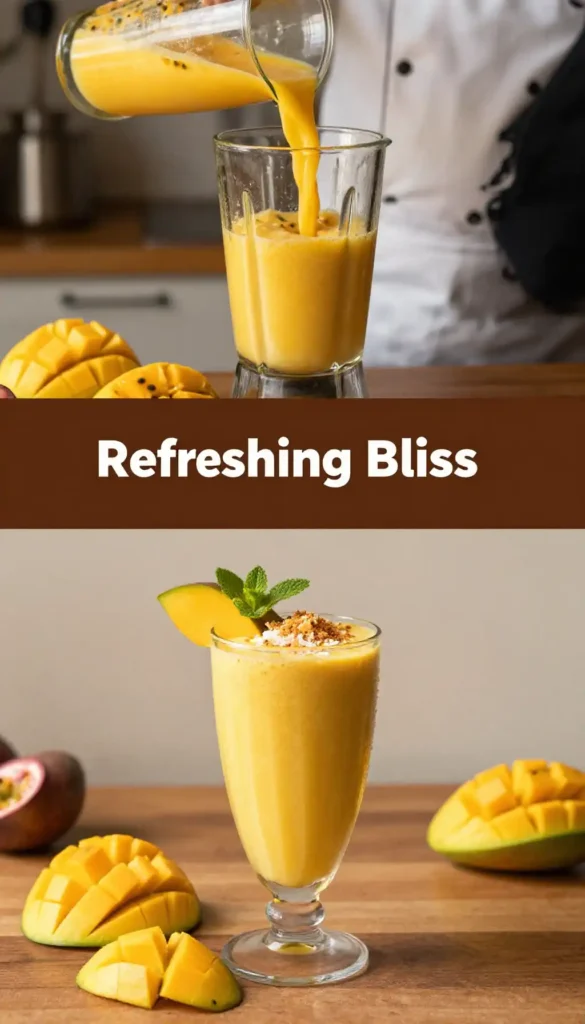
Then, we bring in the **Mango**. It provides the sunshine. Its floral sweetness acts as the perfect bridge to the tea’s earthy notes.
Next comes the **Frozen Banana**. Forget ice cubes. Ice cubes dilute flavor. Frozen bananas provide that soft-serve texture that makes you feel like you’re eating dessert for breakfast.
Finally, a splash of **creamy coconut milk** or oat milk to round out the edges. It’s the silk ribbon that ties the whole package together.
For more inspiration on how to elevate your morning routine, check out our latest [smoothies and drinks collection](https://indixer.com/category/smoothies-drinks/).
Let’s Get Blending: The Method
Ready to change your life? Here is **how to make Sanbancha Third Harvest Smoothie** like a pro.
1. **The Tea Prep:** Steep 2 tablespoons of Sanbancha leaves in 1 cup of 180°F (82°C) water for 3 minutes. Strain and chill completely. Pro tip: Do this the night before!
2. **The Base:** Pour your chilled tea into the blender.
3. **The Fruit:** Add 1 cup of frozen mango chunks and 1 large frozen banana (sliced into coins for easier blending).
4. **The Creamy Factor:** Add ½ cup of your preferred milk and a drizzle of honey or agave if your mango isn’t peak-season sweet.
5. **The Whirl:** Start low, then crank it up to high. Blend until it’s so smooth it looks like liquid silk.
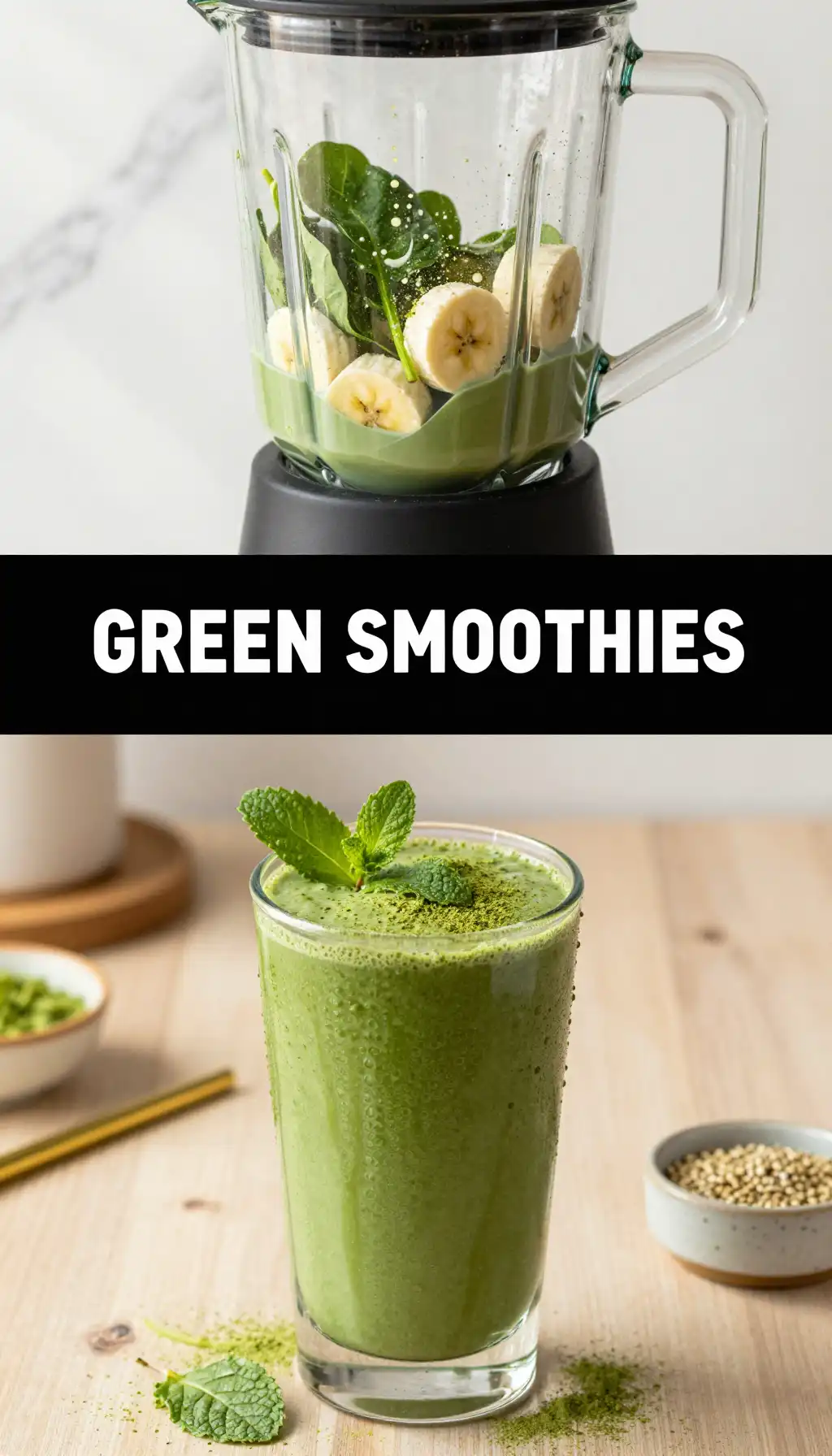
How NOT to Ruin This Masterpiece
Look, blending is easy, but it’s not foolproof. Don’t be the person who ruins a perfectly good tea harvest with rookie mistakes.
Mistake #1: Using Boiling Water. If you use boiling water (212°F) on Sanbancha, you’ll scald the leaves. It will taste bitter, like you’re chewing on a lawnmower blade. Keep it at 180°F.
Mistake #2: The Ice Cube Trap. I’ll say it again: ice is the enemy of flavor. If you want a thick smoothie, freeze your fruit. If you use ice, you’re just making watery tea slush.
Mistake #3: Neglecting the Salt. Just a tiny, microscopic pinch of sea salt makes the mango pop and the tea taste richer. Trust me.
Set the Scene: When to Sip
This isn’t a “chug it in the car while yelling at traffic” kind of drink.
The **Sanbancha Third Harvest Smoothie** belongs in a tall glass, perhaps with a sprig of mint on top. It’s for تلك moments when the sun is hitting the patio just right.
It’s the perfect post-yoga reward or a sophisticated addition to a brunch spread. If you’re looking for more pairings to round out your table, dive into our [extensive recipe library](https://slapid.com/recipes//) for some culinary inspiration.
The “Is This Actually Good for Me?” Corner
Let’s get nerdy for a second. Sanbancha is packed with catechins (those are the “good guy” antioxidants). Because it’s harvested later, it also has a higher concentration of minerals than some earlier harvests.
When you pair that with the potassium of a banana and the vitamin C of a mango, you aren’t just drinking a snack; you’re drinking a liquid multivitamin.
Plus, it’s incredibly gentle on the stomach. If coffee makes you feel like your heart is running a marathon, this tea-based beauty is your new best friend.
Burning Questions (FAQ)
How many calories in Sanbancha Third Harvest Smoothie?
An average serving (about 16 oz) contains approximately 210-250 calories, depending on your choice of milk and sweetener. It’s a nutrient-dense way to fuel up without feeling weighed down.
How to freeze Sanbancha Third Harvest Smoothie?
If you find yourself with extra, pour the smoothie into silicone muffin liners or ice cube trays and freeze. When you’re ready for another round, just pop the “smoothie cubes” back into the blender with a splash of extra tea. It’s the ultimate **easy Sanbancha Third Harvest Smoothie** hack!
Can I use Matcha instead?
You *can*, but it won’t be the same. Matcha is grassy and bright. Sanbancha is woody and roasted. If you switch them, you’re changing the “vibe” from a rustic forest to a manicured lawn. Both are good, but Sanbancha is the secret to that unique depth.
Is it okay for kids?
Absolutely! Since the caffeine content is significantly lower than black tea or coffee, it’s a fantastic, antioxidant-rich treat for the little ones who want a “fancy” drink like the grown-ups.
The Final Word
Life is too short for boring smoothies. You deserve a drink that tells a story of Japanese hillsides, summer sun, and tropical sweetness.
The **Sanbancha Third Harvest Smoothie** is a masterclass in balance. It’s sweet but sophisticated, energizing but calm. It’s the drink you didn’t know you were missing, but once you try it, you’ll never go back to plain old strawberry-banana again.
So, go ahead. Dust off that blender. Track down some Sanbancha. Your taste buds—and your energy levels—will thank you.
Happy Blending!
Sanbancha Third Harvest Smoothie

Ingredients
Ingredients
- 1 tbsp Sanbancha loose leaf tea ground into a fine powder or brewed strongly
- 1 cup unsweetened almond milk or any plant-based milk
- 1 large frozen banana sliced for easier blending
- 0.5 cup frozen mango chunks adds natural sweetness and thickness
- 1 tsp fresh ginger peeled and grated
- 1 cup baby spinach tightly packed
- 1 tsp honey optional, adjust based on ripeness of fruit
- 0.5 cup ice cubes for a frostier texture