The Aroma That Halted a Family Gathering
There’s a specific kind of magic that happens when butter and sugar meet in a bowl. It’s not just a chemical reaction; it’s a siren song. I remember standing in my grandmother’s kitchen in Lagos, the ceiling fan whirring lazily overhead, fighting a losing battle against the humid afternoon heat. She was making her legendary pound cake. The air, thick with the scent of vanilla extract and the warm, spicy whisper of freshly grated nutmeg, drifted through the open windows, luring neighbors from their verandas. This wasn’t just baking; it was an event. The rhythmic thud of her wooden spoon against the ceramic bowl was a heartbeat. This isn’t just a recipe; it’s a slice of home, dense, buttery, and unapologetically rich. It’s the cake that signals celebration, the one that promises everything is going to be alright.
A Slice of History: The 1-Pound Symphony
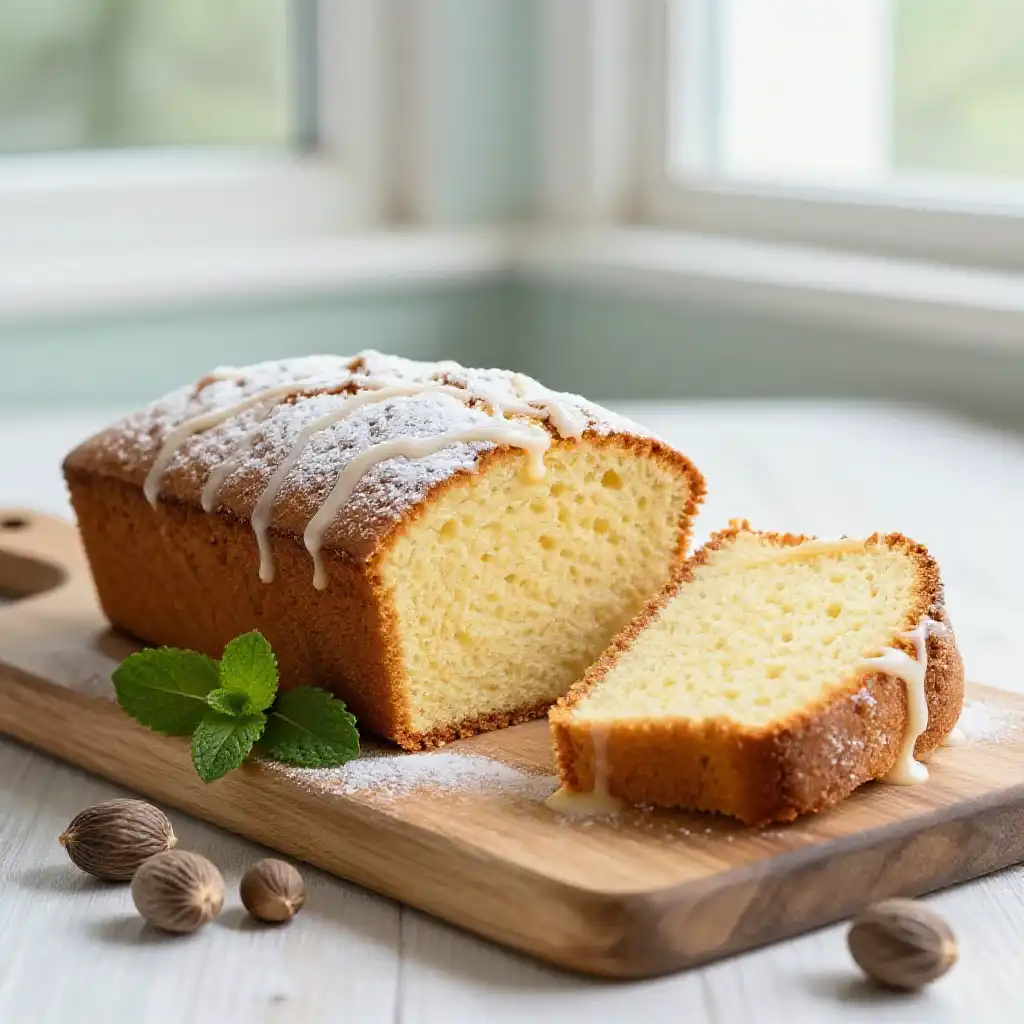
Why is it called a pound cake? The name is gloriously literal, a testament to its rustic, foolproof origins. The original recipe, born in the 18th century, called for one pound each of flour, sugar, butter, and eggs. It was the ultimate equal-opportunity dessert—no confusing measurements, just pure, unadulterated goodness. But the Nigerian version? We take that classic foundation and sprinkle it with our own brand of sunshine.
Our secret weapons are nutmeg and vanilla. While the traditional British cake might rely solely on the purity of its ingredients, our **Nigerian Pound Cake with Vanilla and Nutmeg** is a sensory explosion. The vanilla provides a deep, sweet foundation, while the nutmeg adds a sophisticated, aromatic warmth that cuts through the richness. It’s the flavor of celebration, a dense, moist crumb that holds its shape but melts in your mouth. This isn’t a dainty, airy sponge; it’s a substantial, satisfying cake that commands attention. It’s the perfect companion to a cup of strong tea or as the grand finale to a Sunday lunch.
The Secret’s in the Butter: A Creamy Love Affair
Let’s get one thing straight: you cannot rush a pound cake. The entire structure of this glorious creation rests on the foundation of well-creamed butter and sugar. This is where the science of baking meets the art of patience. When you beat room-temperature butter and sugar together, you’re not just combining them; you’re creating millions of tiny air pockets. These pockets are the scaffolding of your cake. When the flour is later introduced, these pockets expand in the oven’s heat, giving the cake its lift and its delicate, tender crumb.
But here’s the Nigerian nuance: we embrace the density. We aren’t aiming for a feather-light angel food cake. We want a satisfying heft. To achieve this, we ensure our butter is truly at room temperature—it should be soft enough to leave a deep indent when you press it, but not greasy or melted. Beating it for a solid 5 to 7 minutes might feel like a workout, but trust me, it’s the most crucial step. That pale, fluffy, almost white mixture is the holy grail. It’s the difference between a good cake and a “slap-yo-mama” good cake. And for more inspiration on getting that perfect texture, I sometimes look at techniques from other dense bakes on sites like Indixer’s drink and bake section to see how different ingredients play together.
How to Make Nigerian Pound Cake with Vanilla and Nutmeg: The Step-by-Step Glory
Ready to make your kitchen smell like heaven? Here we go. This is the **easy Nigerian Pound Cake with Vanilla and Nutmeg** method—no fancy equipment needed, just a good bowl and a little bit of love.
**What You Need to Raid From the Pantry:**
* 1 cup (227g) unsalted butter, softened to room temperature
* 2 cups (400g) granulated sugar
* 5 large eggs, also at room temperature
* 3 cups (360g) all-purpose flour
* 1 teaspoon baking powder
* ½ teaspoon salt
* 2 teaspoons vanilla extract
* 1 teaspoon freshly grated nutmeg (this is non-negotiable! Pre-ground works in a pinch, but fresh is a game-changer)
**Let’s Get Cooking:**
1. **Prep Your Throne:** Preheat your oven to 325°F (160°C). Grease and flour a 10-inch bundt pan or a 9×5 inch loaf pan. Don’t be shy with the grease; a stuck cake is a tragedy.
2. **The Fluffy Foundation:** In a large bowl, using an electric mixer, beat the softened butter and sugar together on medium-high speed. Let it go for a full 5-7 minutes until it’s incredibly pale, light, and fluffy. Seriously, set a timer. This is where the magic happens.
3. **Egg-cellent Decisions:** Add the eggs one at a time, beating well after each addition. Scrape down the sides of the bowl to ensure everything is incorporated. The mixture should look smooth and creamy. Stir in the vanilla extract.
4. **The Dry Team:** In a separate bowl, whisk together the flour, baking powder, salt, and that glorious nutmeg. This ensures the leavening and spice are evenly distributed.
5. **Marry the Elements:** Turn your mixer to low. Add the dry ingredients in three additions, alternating with nothing! Just kidding, there’s no liquid in a classic pound cake. Just add the flour slowly, mixing only until the last streaks of flour disappear. **DO NOT OVERMIX.** Overmixing develops gluten and gives you a tough, rubbery cake. We want tender, not tense.
6. **Bake to Perfection:** Pour the thick, luscious batter into your prepared pan and smooth the top. Bake for 55-70 minutes. A bundt pan might cook faster than a loaf pan. The cake is done when it’s golden brown and a wooden skewer inserted into the thickest part comes out clean or with a few moist crumbs attached.
7. **The Patient Cool:** Let the cake cool in the pan for exactly 15 minutes before inverting it onto a wire rack to cool completely. This prevents it from getting soggy but allows it to release cleanly.
The Oops-Proof Guide: How NOT to Ruin Your Pound Cake
Baking is a science, but it’s also an art. And sometimes, art has happy accidents. But let’s try to avoid the not-so-happy ones.
* **The Cold Butter Catastrophe:** I said it before, and I’ll say it again. Cold butter is the enemy of fluff. It won’t cream properly, leading to a dense, heavy cake with a greasy texture. If you’re short on time, cut your butter into small cubes and let it sit on a plate for 30 minutes.
* **The Overmixing Tragedy:** I know, I know. You want to make sure everything is *really* combined. But once that flour hits the wet ingredients, you’re on a gluten clock. Mix just until you see no more flour. Your cake’s tenderness depends on your restraint.
* **The Oven Door Peeking:** We’ve all done it. The anticipation is real. But every time you open that oven door, you let out a blast of heat, causing the temperature to drop. This can make your beautiful cake fall in the middle. Trust your oven (and your timer) and keep that door shut until the minimum baking time is up.
* **The Wrong Pan Prep:** Forgetting to grease and flour your pan properly is a recipe for heartbreak. That cake will cling to the sides like a scared cat. Be generous with your butter or baking spray, and get into every nook and cranny.
Serving Vibes: Setting the Scene for Your Masterpiece
This isn’t a cake you whip up for a quick snack. This is an occasion. Imagine this: A rainy afternoon, the sound of water pattering against the windowpane. You slice a thick, generous piece of your **Nigerian Pound Cake with Vanilla and Nutmeg**. The nutmeg hits your nose first, a warm, comforting embrace. You pair it with a steaming mug of black tea, maybe a chai latte if you’re feeling fancy, or a simple black coffee. The dense, buttery crumb is the perfect foil for the hot, tannic liquid.
Or, flip the script. It’s a sunny weekend brunch. The cake is the centerpiece, served alongside bowls of fresh tropical fruit—mango, pineapple, papaya. The sweetness of the fruit plays beautifully against the cake’s richness. Or, for a truly decadent treat, serve a slice slightly warmed with a dollop of whipped cream and a drizzle of caramel sauce. It’s the star of a celebratory spread, the cake you bring to a potluck knowing it’ll be the first thing to disappear. It’s the “just because” cake that turns an ordinary day into a memory.
The “Need to Know”: Frequently Asked Flour Power Questions
Even the simplest recipes can have a few quirks. Here are the answers to the questions that keep bakers up at night.
How to freeze Nigerian Pound Cake with Vanilla and Nutmeg?
This cake freezes like a dream, which is perfect for making it ahead of time or saving a precious slice for later. The key is to protect it from its archenemies: air and freezer burn. First, let the cake cool completely. Then, wrap it tightly in two layers of plastic wrap, followed by a layer of aluminum foil. It will keep beautifully in the freezer for up to 3 months. To thaw, simply transfer it to the refrigerator overnight or let it sit on the counter for a few hours. It’s best to let it thaw in its wrapping to prevent condensation from making the crust soggy.
What are the calories in Nigerian Pound Cake with Vanilla and Nutmeg?
Let’s be honest with ourselves: a pound cake is a decadent treat, not a health food. It’s made with a pound each of butter and sugar for a reason! While the exact count varies based on the size of your slices and the specific brands of your ingredients, a typical slice (1/12th of a standard loaf) will likely be in the **350-450 calorie range**. It’s rich, it’s satisfying, and a single slice is more than enough to feel indulgent. It’s all about balance!
Can I use a different pan if I don’t have a bundt or loaf pan?
Absolutely! The batter is quite versatile. You can use two 9×5 inch loaf pans (reduce the baking time to about 45-55 minutes) or even a 9×13 inch rectangular pan (check for doneness around the 40-minute mark). You could also make smaller loaflets or even cupcakes. Just keep an eye on the baking time, as smaller portions will bake much faster.
Why is my pound cake greasy?
This is usually a sign that the butter wasn’t properly emulsified, or the cake was under-baked. The most common culprit is using butter that was too warm or melted when you started. It needs to be soft, cool to the touch, and pliable. Also, make sure your oven temperature is accurate—an oven thermometer is a baker’s best friend! An oven that’s running too cool will cause the fat to separate out before the cake has a chance to bake through properly.
Can I add other flavors to this Nigerian Pound Cake?
While the vanilla and nutmeg are a classic combination, this recipe is a fantastic base for experimentation. You can add the zest of one lemon or orange to the creamed butter and sugar for a bright, citrusy note. A teaspoon of ground cinnamon or cardamom can be added with the nutmeg for extra warmth. Some people even poke holes in the finished cake and pour over a simple syrup infused with lemon juice to keep it extra moist. But for a first-timer, I highly recommend sticking to the classic to truly appreciate its simple, profound deliciousness. And for more delicious ideas, you can always explore more recipes on Slapid.
Nigerian Pound Cake with Vanilla and Nutmeg

Ingredients
Ingredients
- 1 cup unsalted butter softened to room temperature
- 1 cup granulated sugar
- 4 large eggs at room temperature
- 1 tsp vanilla extract
- 1/4 tsp ground nutmeg
- 2 cups all-purpose flour
- 1 tsp baking powder
- 1/4 tsp salt
- 1/2 cup whole milk at room temperature