
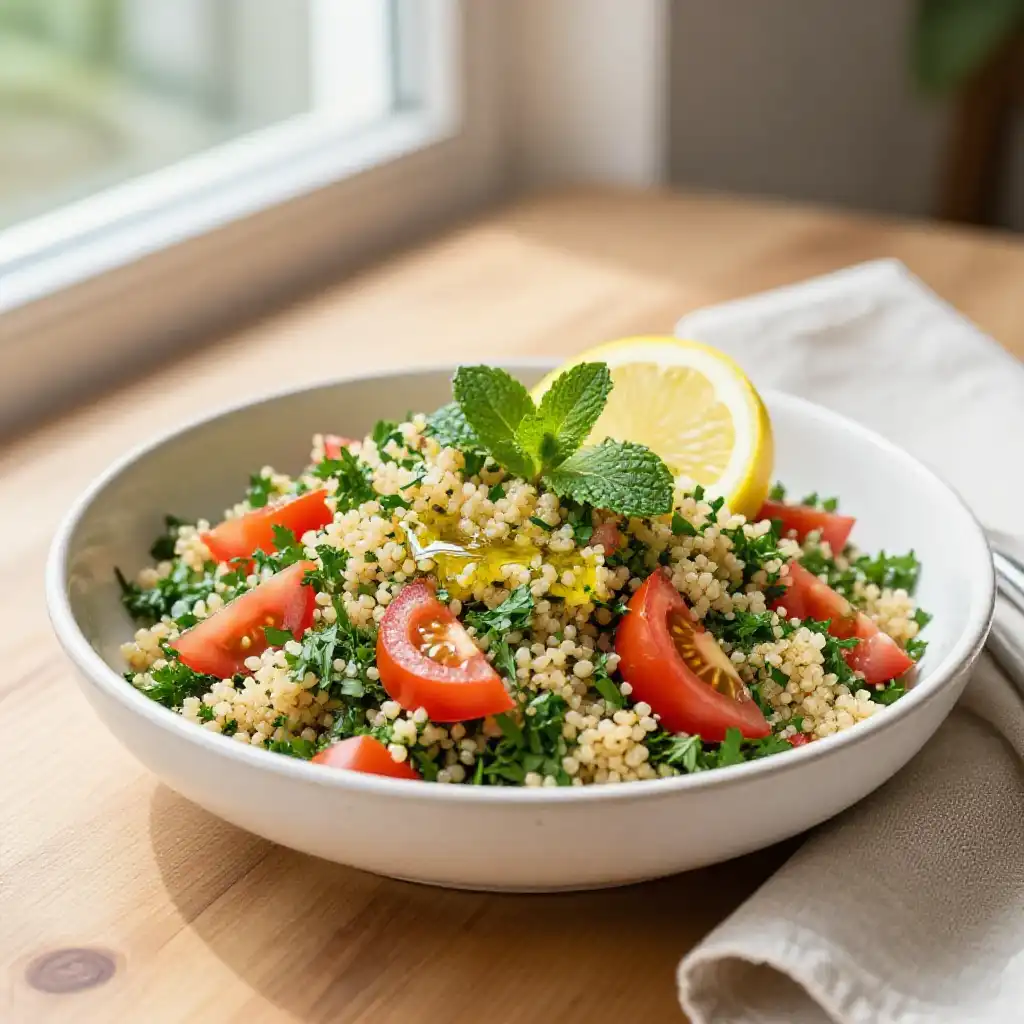
There’s a memory I have, clear as a bell, of a sun-drenched patio in Beirut. The air was thick with the scent of grilling lamb and something else… something bright, green, and utterly alive. It was a bowl of Lebanese Tabbouleh with Fresh Parsley, but calling it a ‘salad’ feels like a cosmic understatement. This wasn’t a side dish hiding under a pile of lettuce. This was a verdant, chopped celebration that sang with lemon and mint, a tangle of herbs so vibrant it felt like you were eating pure sunlight. Every forkful was a crunchy, zesty, refreshing shock to the system. I knew right then I had to learn how to make Lebanese Tabbouleh with Fresh Parsley that tasted just like that memory. And now, I’m passing that secret on to you.
The Green Elixir: Why This Isn’t Your Average Salad
Let’s be real. Most salads are an afterthought. A sad pile of iceberg with some watery tomatoes. This? This is the main event. The star of the show. The reason you’ll find yourself making a whole bowl for lunch and calling it a day. The magic of an authentic Lebanese Tabbouleh with Fresh Parsley is its audacious commitment to herbs. We’re talking a 2:1 ratio of parsley to bulgur, at minimum. It’s not a grain salad with some herbs for color; it’s a parsley salad with a whisper of grain for texture. The dressing isn’t a goopy, store-bought afterthought. It’s a simple, perfect marriage of extra-virgin olive oil and freshly squeezed lemon juice that coats every tiny leaf. It’s the kind of dish that makes you feel healthier just by looking at it, yet it’s so delicious you’ll forget you’re eating something virtuous.
And here’s a secret weapon: the mint. It’s not just a garnish. It’s the cooling counterpoint to the zesty lemon, the aromatic lift that makes this salad the ultimate palate cleanser. It’s the difference between a good salad and a “holy-smokes-what-is-in-this” salad. This dish is the ultimate multi-tool in your culinary arsenal. It’s a stunning side for grilled chicken, a fantastic scoop for a mezze platter, and honestly, a perfect light meal all on its own. If you’re looking for other vibrant, easy-to-make dishes to round out your menu, you can always explore a world of refreshing ideas over at Indixer’s drink collection to find the perfect pairing.
The Parsley Paradox: It’s All in the Chop
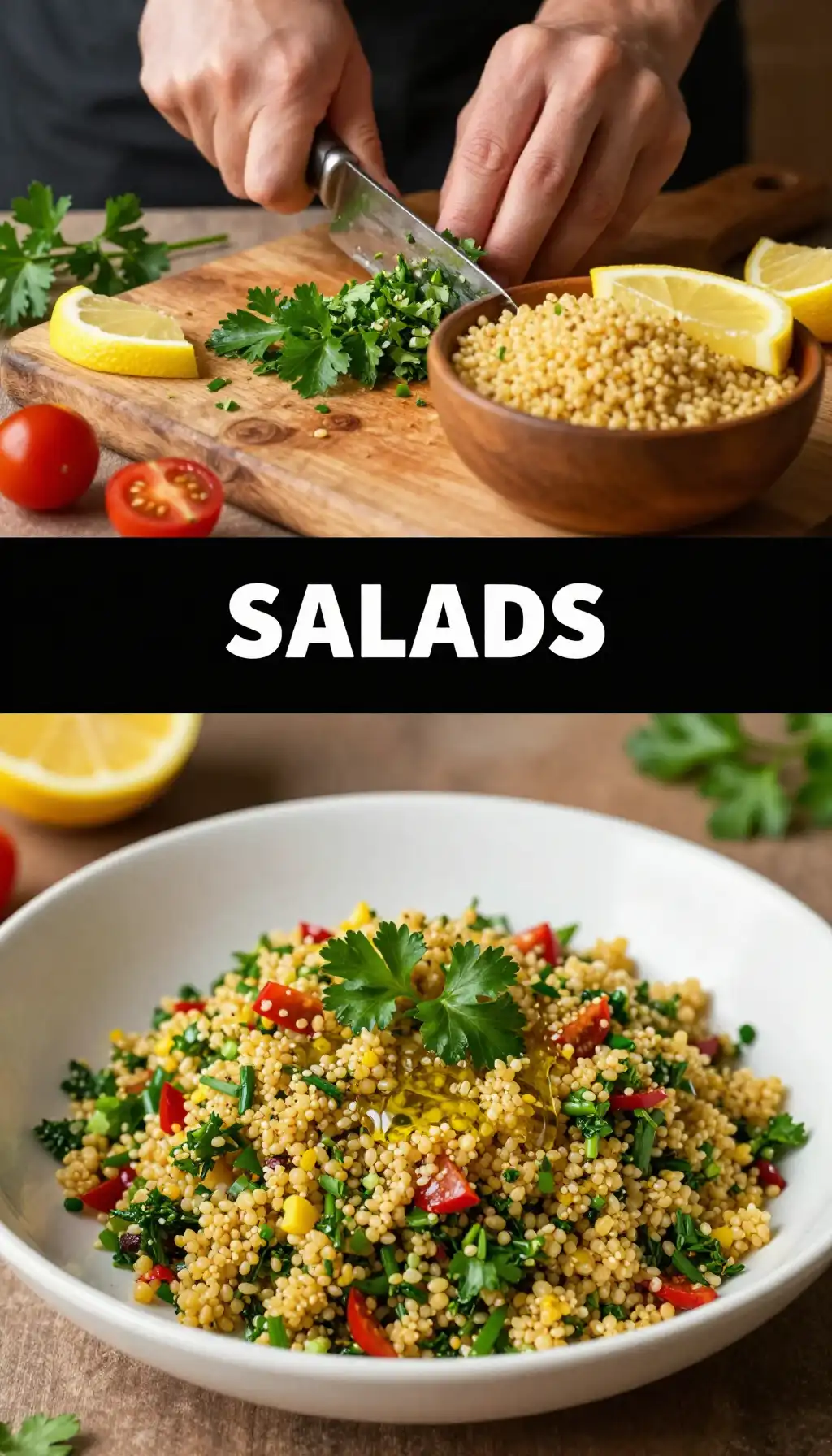
The true secret to an unforgettable Lebanese Tabbouleh with Fresh Parsley isn’t some exotic spice or a fancy technique. It’s the parsley itself, and more importantly, how you treat it. This isn’t the time for your fancy chiffonade or a rough, rustic chop. The goal is to achieve a fine, almost confetti-like consistency. Why? Because when you mince the parsley so finely, you’re not just cutting it—you’re releasing its essential oils. You’re transforming it from a leafy herb into a verdant flavor bomb that melds seamlessly with the other ingredients.
Think of it like this: a coarsely chopped parsley in a salad is like a single musical note. It’s fine, but it’s singular. A finely minced parsley is a whole symphony. It creates a texture that is delicate and uniform, allowing the lemon, olive oil, and mint to sing in perfect harmony. It’s the difference between a salad where you taste *bits* of parsley and a salad that tastes *of* parsley. This is the non-negotiable step. It takes an extra five minutes and a little patience, but it’s the single most important thing you can do to elevate your tabbouleh from ‘good’ to ‘unforgettable’.
Let’s Get Cooking: The Step-by-Step
Alright, enough talk. Let’s make some kitchen magic. This is an easy Lebanese Tabbouleh with Fresh Parsley, I promise. The prep is the lion’s share of the work, and then it’s just a matter of assembly.
What You Need to Raid From the Pantry
- 1 large bunch of flat-leaf parsley: Don’t you dare use curly. We need that deep, herbaceous flavor. About 2 big bunches.
- 1 bunch of fresh mint: The other non-negotiable. Fresh is key.
- ½ cup fine bulgur wheat: This is the heart of the dish. Don’t substitute quinoa or couscous if you want the real deal.
- 3-4 juicy Roma tomatoes: Firm, not mushy. We want them to hold their shape.
- 1 crisp cucumber (optional, but recommended): For extra crunch and freshness.
- 4-5 green onions (scallions): The white and light green parts only.
- ½ cup high-quality extra-virgin olive oil: This is a key flavor, so don’t skimp.
- ⅓ cup freshly squeezed lemon juice: Bottled juice is a crime here. Squeeze your own.
- Salt and black pepper to taste.
The Method
Step 1: Awaken the Bulgur. Place your fine bulgur in a bowl and cover it with cool water. Let it sit for about 10-15 minutes. It should soften and absorb most of the water but still have a slight bite. Once it’s ready, fluff it with a fork.
Step 2: The Great Parsley Mincing. This is where the magic happens. Wash and thoroughly dry your parsley and mint. Strip the leaves from the thick stems (a few tender stems are okay). Pile them onto your cutting board and get chopping. Rock your knife back and forth, moving the pile around, until it’s reduced to a fine, fragrant, green mound. It should look like a fluffy pile of green confetti. Transfer to a very large bowl.
Step 3: Veggie Prep. Finely dice your tomatoes. If they’re extra juicy, you can gently squeeze out some of the excess water and seeds with your hands. This prevents a watery salad. Finely dice the cucumber and chop the green onions. Add everything to the bowl with the parsley.
Step 4: The Final Assembly. Add the fluffed bulgur to the vegetable and herb mixture. In a separate small bowl, whisk together the olive oil, lemon juice, salt, and pepper. Pour this glorious dressing over everything in the large bowl.
Step 5: The Gentle Toss. Using a large spoon or your hands (the best tool!), gently toss everything together until it’s beautifully combined. Don’t muddle it. Just fold it gently. Let it sit for about 15 minutes for the flavors to get to know each other. Taste and adjust seasoning. More lemon? More salt? Go for it.
Common Pitfalls: How NOT to Mess This Up
Even the simplest dishes have their traps. Here’s how to sidestep them and ensure your tabbouleh is flawless.
The Watery Graveyard
Your number one enemy is water. A watery tabbouleh is a sad, limp affair. Always, always dry your herbs thoroughly after washing. A salad spinner is your best friend here. And as mentioned, if your tomatoes seem particularly watery, give them a gentle squeeze before dicing. You want flavor, not a vinaigrette at the bottom of the bowl.
The Bulgur Blunder
Using the wrong bulgur is a common mistake. You want fine bulgur (#1). If you use medium or coarse bulgur, it won’t absorb the dressing properly and you’ll end up with a chewy, grain-heavy salad that overpowers the herbs. It’s all about balance, and the bulgur is meant to be a supporting actor, not the lead.
The Lemon Skimp
Don’t be shy with the lemon. This is a bold dish that needs a bold dressing. The acid from the lemon cuts through the richness of the olive oil and brightens the entire salad. If you taste it and it feels a little flat, the answer is almost always more lemon juice or a pinch more salt.
Serving Vibes: Where This Dish Shines
Tabbouleh is the ultimate social butterfly. It’s the dish you bring to a potluck that gets devoured first. It’s the vibrant centerpiece of a sun-soaked weekend barbecue, sitting proudly next to grilled chicken skewers and creamy hummus. Its bright, clean flavors cut through smoky and rich foods perfectly. It’s the food of celebration, of gathering, of long, laughter-filled meals.
But it’s not just for parties. On a rainy Tuesday when you’re craving something that feels like sunshine, a bowl of this will lift your spirits instantly. Serve it with warm pita bread for scooping, or spoon it over a bed of crisp lettuce for a light and satisfying dinner. It’s incredibly versatile and always, always welcome. For more inspiration on what to serve alongside this vibrant star, you can find a treasure trove of ideas at our main recipe hub on Slapid.com.
FAQ: Your Tabbouleh Questions, Answered
Can I make Lebanese Tabbouleh with Fresh Parsley ahead of time?
Absolutely! In fact, it’s often better the next day. The flavors have time to meld and deepen. Just make sure to store it in an airtight container in the refrigerator. It will stay fresh and delicious for up to 3 days.
How to freeze Lebanese Tabbouleh with Fresh Parsley?
This is where things get tricky. Because of the high water content in the fresh vegetables and herbs, freezing traditional tabbouleh is generally not recommended. It will result in a very soft, limp texture upon thawing, as the ice crystals rupture the cell walls of the parsley and tomatoes. You’ll lose that signature crunch. For the best experience, I strongly advise making it fresh and enjoying it within a few days.
What are the calories in Lebanese Tabbouleh with Fresh Parsley?
This is a wonderfully healthy dish! A typical serving (about 1 cup) of Lebanese Tabbouleh with Fresh Parsley contains approximately 150-200 calories, depending on the amount of olive oil used. It’s packed with Vitamin K, Vitamin C, and fiber, making it a nutritional powerhouse.
Is this recipe for Lebanese Tabbouleh with Fresh Parsley gluten-free?
Traditional tabbouleh uses bulgur wheat, which contains gluten. If you need to make it gluten-free, you can substitute the bulgur with quinoa or, for a grain-free version, finely chopped cauliflower rice. The texture will be slightly different, but it will still be delicious!
My tabbouleh tastes bitter. What went wrong?
A slightly bitter taste usually comes from one of two things: either the parsley has gone slightly past its prime, or you’ve included too many of the thick, woody stems when chopping. Always use fresh, vibrant parsley and take the time to strip the leaves from the stems for the best, brightest flavor.
Lebanese Tabbouleh with Fresh Parsley

Ingredients
Ingredients
- 1 cup fine bulgur wheat rinsed and soaked in cold water for 15 minutes
- 3 cups fresh flat-leaf parsley finely chopped, stems removed
- 1 cup fresh mint leaves finely chopped
- 2 medium ripe tomatoes finely diced, seeds removed
- 1 small red onion finely minced
- 1 tbsp fresh lemon juice about 1/2 lemon
- 3 tbsp extra-virgin olive oil
- 1 tsp sumac optional, for tang
- 0.5 tsp salt or to taste
- 0.25 tsp black pepper freshly ground