
The Morning Sun in a Pan
I remember my first real tamagoyaki. It wasn’t in some fancy Tokyo eatery. It was in a tiny, steamy kitchen, watching a grandmother work a small, rectangular pan like a conductor. The air was thick with the sweet, comforting scent of cooking eggs and a whisper of mirin. She’d pour a thin layer, let it set just so, then roll it back with a swift, practiced motion. The resulting log was a stack of golden, bouncy layers, each one a tiny, edible hug. It was a revelation. This wasn’t just an omelette; it was a warm, savory-sweet start to the day that felt both simple and deeply special.
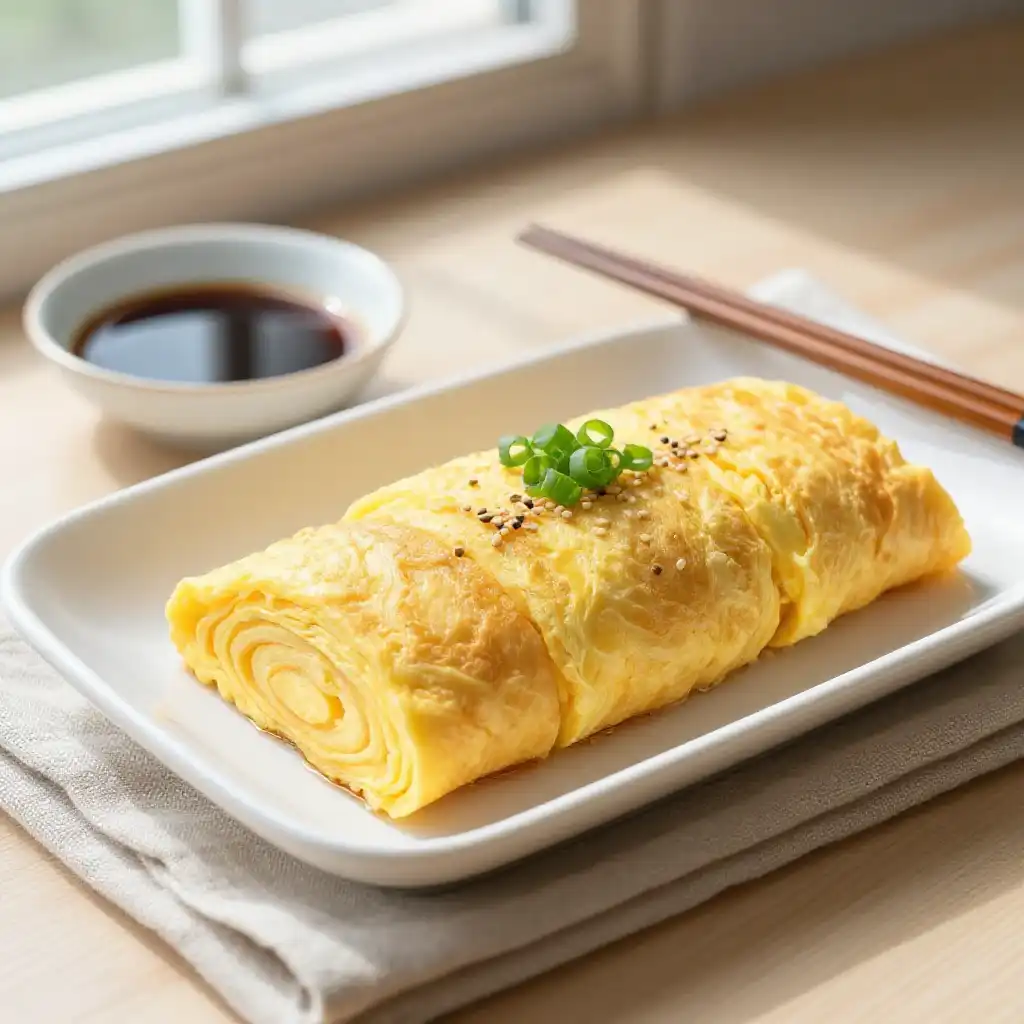
And you can absolutely make this magic happen in your own kitchen. No special training required, just a little patience and a willingness to embrace the roll. Let’s get cooking.
Why This Tamagoyaki Will Steal Your Breakfast Crown
This isn’t your average scrambled situation. This is about texture, balance, and that incredible umami depth that makes you close your eyes for a second. The sweetness from the mirin and sugar plays perfectly against the savory dashi and soy, creating a flavor that’s complex yet utterly comforting. It’s the kind of dish that makes a simple bowl of steamed rice feel like a feast. Plus, its golden, pinwheel slices look stunning on a plate, making you look like a culinary genius with minimal effort. It’s a quick, nutritious powerhouse that fuels your morning without weighing you down.
The Soul of the Dish: The Science of the Perfect Egg Roll
The secret to that tender, layered texture isn’t just in the technique; it’s in the ingredients and their interaction. We’re not just beating eggs here; we’re building a custard. The key players are the eggs, a touch of sweetener, and the umami-rich liquids. The sugar doesn’t just add sweetness; it helps with browning and gives the omelette its signature glossy sheen. The dashi, a Japanese soup stock, provides the deep, savory backbone. When you whisk everything together, you’re creating a uniform mixture that will cook evenly. The magic happens in the pan’s heat—a steady, medium-low temperature is crucial. Too hot, and the eggs become rubbery and brown too fast. Too cool, and they’ll be wet and won’t set properly. The thin layers allow for even cooking, and the rolling technique traps steam, keeping each stratum incredibly moist and tender. It’s a beautiful piece of kitchen chemistry.
What You Need to Raid From the Pantry
Gathering your ingredients is half the fun. Here’s your flavor arsenal:
- 6 large eggs – The star of the show. Use the freshest you can find for the best color and taste.
- 2 tablespoons mirin – This sweet rice seasoning is non-negotiable for that authentic flavor.
- 2 tablespoons sugar – Balances the saltiness and aids in caramelization.
- 1 tablespoon soy sauce – For that deep, salty umami punch.
- 1 tablespoon dashi – The savory soul of the dish. You can make it from scratch or use a quality instant powder.
- A pinch of salt – To enhance all the other flavors.
- Neutral oil – For greasing the pan. A small brush is handy for this.

Let’s Get Cooking: The Step-by-Step Roll
First, whisk your eggs in a bowl until the yolks and whites are completely combined and slightly frothy. Don’t over-beat; you don’t want a bunch of bubbles. Now, stir in the mirin, sugar, soy sauce, dashi, and salt until everything is dissolved and harmonious. This is your liquid gold.
Heat your rectangular tamagoyaki pan (or a small non-stick skillet) over medium-low heat. Dip a paper towel in a little oil and carefully grease the pan. It should be just a sheen, not a pool.
Pour a thin layer of the egg mixture into the pan, tilting it to coat the bottom evenly. Let it cook until the surface is just set but still a little glossy. This happens fast!
Here’s the fun part: using chopsticks or a spatula, gently roll the omelette from the far end towards you, creating your first log. Push this log to the far end of the pan. Grease the exposed pan again.
Pour another thin layer of egg mixture, letting it flow under and around the existing roll. Lift the first roll slightly to let the new egg cook underneath it. Once this new layer is set, roll the existing log back over it, towards the far end. Repeat this process—pour, set, roll—until all your egg mixture is used. You’re building those beautiful layers!
Once the final roll is complete, transfer it to a cutting board. Let it rest for a minute so it firms up, then slice it into 1-inch thick pieces. You’ll see the gorgeous spiral of layers.
Common Pitfalls: How NOT to Mess Up Your Masterpiece
Let’s be real, we’ve all had kitchen fails. Here’s how to avoid the big ones. First, the heat is everything. If your pan is too hot, your omelette will be a tough, browned mess. If it’s too cool, you’ll have a soggy, undercooked situation. Medium-low is your friend. Second, don’t skip the greasing step between layers. It’s not optional; it’s what keeps each layer distinct and prevents sticking. Third, pour the egg in a thin stream. A thick pour will cook unevenly and ruin the delicate texture. Finally, be patient with the rolling. If it cracks, don’t panic. Just keep going—the inside will be delicious regardless. How to make Japanese Tamagoyaki Rolled Omelette successfully is all about embracing the process.
Serving Vibes: Setting the Scene
Tamagoyaki is incredibly versatile. On a quiet weekday morning, its gentle sweetness is the perfect companion to a bowl of steamed short-grain rice and a simple miso soup. The steam rising from the bowl, the comforting warmth in your hands—it’s a moment of peace. For a weekend brunch, slice it and arrange it on a platter alongside other small dishes like pickled vegetables and grilled fish. It becomes a centerpiece. On a rainy day, it’s the ultimate comfort food. For a party, it’s a fantastic, crowd-pleasing appetizer that’s easy to eat with your fingers. Its visual appeal is a huge bonus. And if you’re looking for other Japanese inspiration, check out this collection of refreshing Japanese-style drinks to pair with your meal.
Leftovers? Here’s the Plan
If you somehow have leftovers (a rare occurrence), let the omelette cool completely. Store it in an airtight container in the refrigerator for up to 3 days. To reheat, a quick 20-30 seconds in the microwave works, but a gentle warm-up in a dry pan over low heat is even better for maintaining texture. How to freeze Japanese Tamagoyaki Rolled Omelette is a common query. While you can freeze it, the texture may become slightly denser. For best results, freeze individual slices on a parchment-lined tray, then transfer to a freezer bag. It will keep for about a month. Thaw in the refrigerator overnight before gently reheating.
FAQ: Your Tamagoyaki Questions, Answered
What is the typical calorie count in a Japanese Tamagoyaki Rolled Omelette?
A single serving of this recipe (about 2-3 slices) generally contains between 120-180 calories, depending on the exact size and ingredients used. It’s a wonderfully light yet satisfying option.
Can I make this without a special rectangular pan?
Absolutely! A small round non-stick skillet will work in a pinch. The shape will be different, but the delicious flavor and layered technique remain the same. You might just get a slightly different spiral when you slice it.
Why is my tamagoyaki tough or rubbery?
The most common culprit is heat that’s too high. This cooks the eggs too quickly, squeezing out moisture and making them chewy. Remember, low and slow is the mantra for tender layers.
Is dashi really necessary, or can I use something else?
Dashi is the backbone of the flavor, so I highly recommend it. However, in a pinch, you can use a high-quality vegetable broth. The taste will be different but still pleasant. For the most authentic taste, though, dashi is the way to go.
So there you have it. Your guide to creating the stunning, delicious, and utterly satisfying Japanese Tamagoyaki Rolled Omelette. Now, go forth and conquer the breakfast table. For more easy and exciting recipes, browse our collection on Slapid.com. Happy cooking!
Japanese Tamagoyaki Rolled Omelette

Ingredients
Ingredients
- 4 large eggs room temperature
- 1 tbsp sugar granulated
- 1 tbsp soy sauce low-sodium preferred
- 1 tsp mirin optional for sweetness
- 1 tsp vegetable oil for cooking
- 1 tbsp water to adjust consistency