
My First Bite of Summer, Chopped to Perfection
I still remember the sun-drenched afternoon I first fell for this salad. It wasn’t in a fancy restaurant, but at a bustling Tel Aviv market stand. The vendor, a whirlwind of energy, was chopping vegetables at lightning speed. The sound was a rhythmic percussion of steel on wood. Then, he tossed everything into a bowl with a splash of lemon juice and a glug of olive oil, and handed it to me with a warm pita. The first crunch? It was a revelation. A juicy burst of tomato, the sharp bite of onion, the cool, crisp cucumber—all dancing in a zesty, herbaceous dressing. It was simple, it was vibrant, and it was pure, unadulterated joy in a bowl. I was hooked for life.
The Magic in the Mise en Place
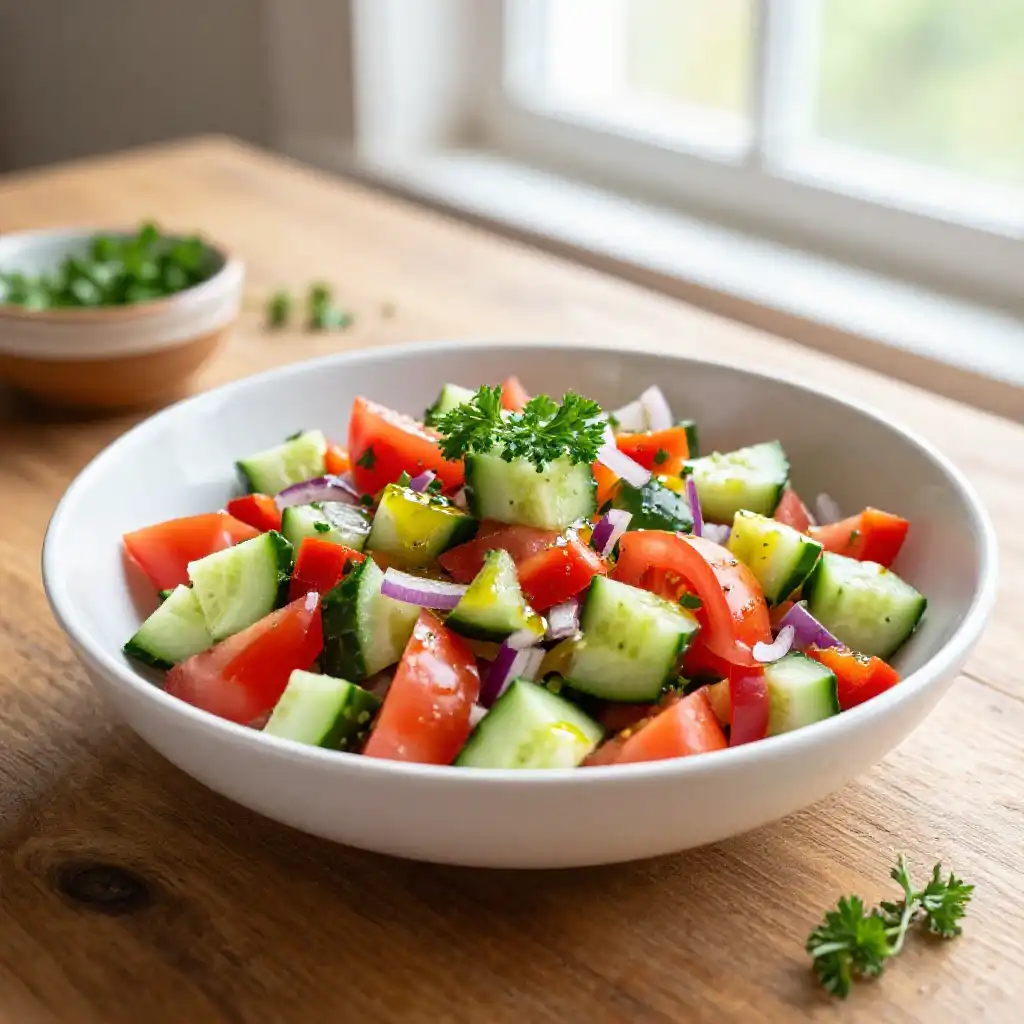
So, what makes this Israeli Salat Katzutz Chopped Vegetable Salad so ridiculously compelling? It’s all about the texture. Unlike a tossed salad where large leaves dominate, here every single forkful is a perfect mosaic of flavor. The secret is in the uniform, fine dice. This isn’t about lazy chopping; it’s about precision. Each tiny cube of vegetable gets perfectly coated in that bright, lemony dressing, ensuring a harmonious bite every single time. It’s a salad that eats like a conversation—every ingredient gets a chance to speak.
And the flavor? It’s a masterclass in balance. The sweetness of ripe tomatoes plays against the sharp, peppery kick of fresh onion. The earthy, grassy notes of parsley and mint cut through the richness of the olive oil. And the lemon? It’s the conductor of the orchestra, tying everything together with a sunny, acidic brilliance. It’s not just a side dish; it’s a palate cleanser, a condiment, and a refreshing crunch that can elevate any meal. I love pairing it with dishes from my collection of slapid.com recipes for a complete, vibrant spread.
The Cucumber’s Secret: Why Size Matters
Let’s talk about the star player—the humble cucumber. You might think chopping it is straightforward, but for this salad, the science of the dice is everything. A large, chunky piece of cucumber will release too much water, drowning the other ingredients and turning your salad into a sad, soggy mess. By dicing it finely, you create more surface area, which allows the salt and lemon juice to penetrate quickly, drawing out just the right amount of moisture for a concentrated crunch.
This tiny detail transforms the cucumber from a passive, watery vegetable into a crisp, flavor-carrying vessel. It’s the difference between a salad that’s just okay and one that makes your eyes light up. The goal is a texture that’s almost like a fresh, uncooked salsa. You want to hear the crunch, not just feel it. It’s a small step that makes a massive difference in the final experience.
How to Chop Your Way to Disaster (And How to Avoid It)
Alright, let’s talk pitfalls. The number one sin? The “hunk and chunk.” If you’re hacking at these vegetables with a dull knife and zero patience, you’re not making a Salat Katzutz; you’re making a chopped salad soup. A dull knife will crush and bruise the veggies, releasing their water prematurely and killing the crispness. Sharpen your knife—it’s non-negotiable.
Another common mistake is overdressing. This salad is a delicate dance, not a swamp. The dressing should lightly glisten on the vegetables, not pool at the bottom of the bowl. Start with less, toss, and then add more if needed. You can always add, but you can’t take away. And please, for the love of all things crunchy, don’t make it hours ahead of time. The salt will draw out all the water, and you’ll lose that glorious, fresh texture. It’s a salad that craves immediacy.
Serving Vibes: Sunshine in a Bowl
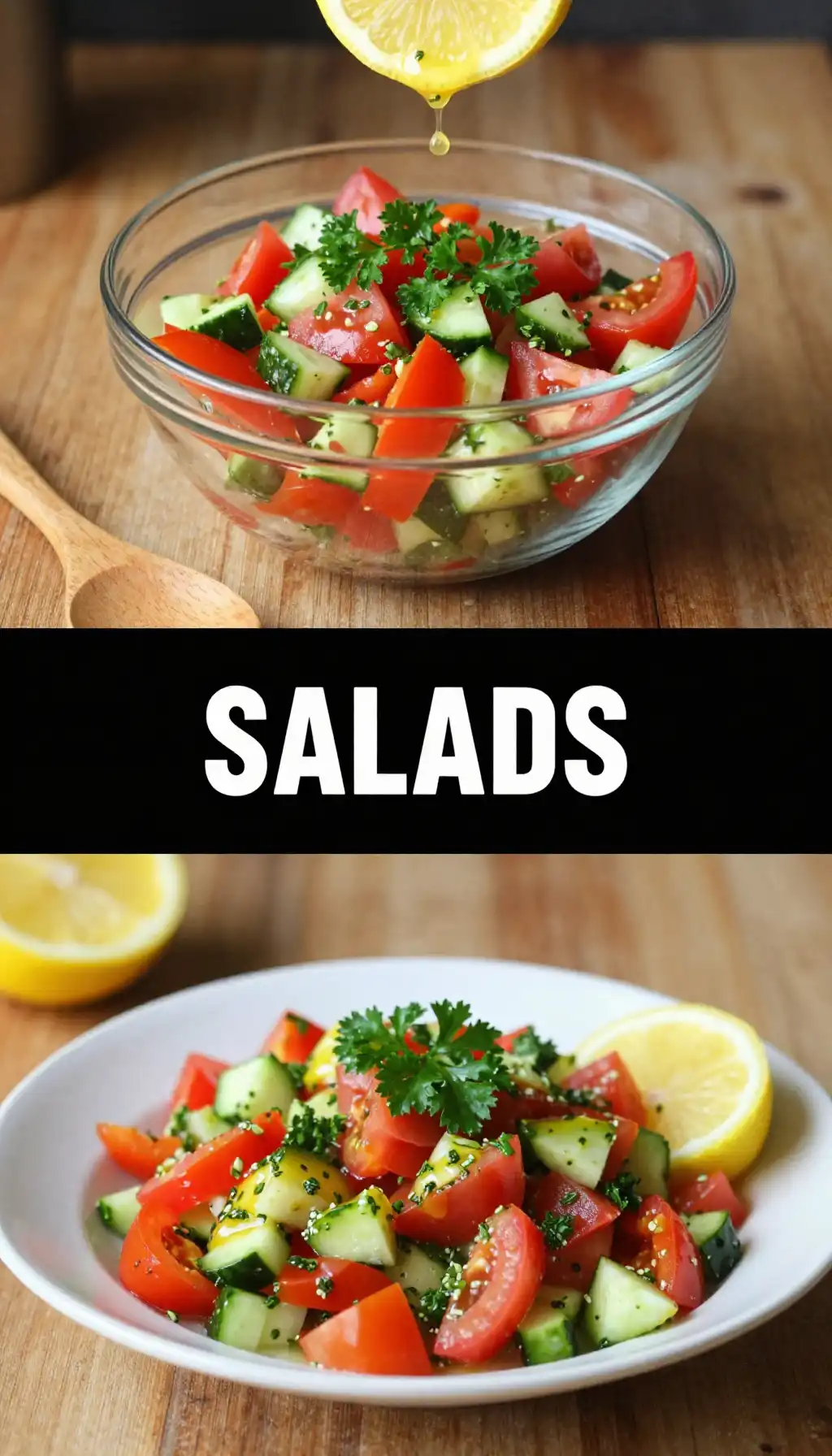
This salad is the embodiment of a perfect summer day. Picture a table laden with grilled chicken, smoky eggplant, and warm, pillowy pita bread. The sun is setting, the air is warm, and this bowl of vibrant green, red, and white sits right in the center, glistening. It’s the refreshing counterpoint to rich, grilled flavors, cutting through the fat and cleansing the palate between bites. It’s not just a side; it’s the star of the spread that everyone gravitates towards.
But don’t relegate it to only sunny days! On a gloomy, rainy afternoon, a bowl of this salad can be a burst of sunshine on your plate. It’s a quick, healthy lunch that requires no cooking and makes you feel instantly better. For more drink inspiration to pair with your meals, check out the fantastic selection over at indixer.com’s smoothies and drinks category. It’s the perfect companion to this fresh, lively dish.
Your Salat Katzutz Questions, Answered
How to make Israeli Salat Katzutz Chopped Vegetable Salad the easy way?
The “easy” way is all about your knife skills and tool choice. For a truly effortless experience, use a mezzaluna (a curved, two-handled chopper) or a mandoline with a dicing grid. These tools can dice vegetables uniformly in seconds, saving you time and giving you that perfect texture. If you’re going manual, a sharp chef’s knife is your best friend. The key is to work with confidence and a steady hand!
Can you freeze Israeli Salat Katzutz Chopped Vegetable Salad?
Let’s be real: this is a salad that lives for the moment. Freezing it is a one-way ticket to Soggy City. The high water content in the tomatoes and cucumbers will turn to mush upon thawing, destroying the beautiful crunch you worked so hard to achieve. Do not freeze it. This salad is best enjoyed fresh, within a few hours of making it. Its magic is in its immediacy.
What are the calories in Israeli Salat Katzutz Chopped Vegetable Salad?
This is one of the most guilt-free pleasures you can eat. A typical serving (about 1 cup) is incredibly low in calories, usually coming in around 50-70 calories. The main sources are the olive oil and the natural sugars in the vegetables. It’s a nutrient-dense powerhouse packed with vitamins, fiber, and hydration. It’s a dietitian’s dream and a flavor-lover’s paradise.
What’s the best way to store leftovers?
If you have any leftovers (which is rare!), transfer them to an airtight container and store them in the refrigerator. The salad will continue to release water, so it’s best eaten within 24 hours. You might need to drain off a little liquid before serving again. Give it a gentle stir to redistribute the dressing, and it will still be delicious, though the crunch will be slightly less pronounced.
Can I add other vegetables to my Israeli Salat Katzutz?
Absolutely! While the classic trio is tomato, cucumber, and onion, this salad is a fantastic canvas. Finely diced bell peppers, radishes, or even carrots can be wonderful additions. Just remember the golden rule: keep the dice small and uniform. You could also experiment with different fresh herbs like dill or cilantro. The beauty of this dish is its adaptability, so feel free to make it your own!
Israeli Salat Katzutz Chopped Vegetable Salad

Ingredients
Ingredients
- 2 cups cucumber finely diced
- 2 cups tomatoes finely diced
- 1 cup red onion finely diced
- 1 cup green bell pepper finely diced
- 1 cup fresh parsley chopped
- 3 tbsp extra virgin olive oil
- 2 tbsp fresh lemon juice
- 1 tsp dried oregano
- 0.5 tsp salt
- 0.25 tsp black pepper