
The Crunch That Echoes Through Cairo Mornings
I was first introduced to this glorious mess of a breakfast by a friend’s grandmother in a tiny apartment overlooking the Nile. The air was thick with the scent of toasted barley bread and a sharp, tangy whisper of vinegar that cut right through the morning haze. She didn’t serve it on a delicate plate; she heaped it onto a platter that took up half the table. The first bite was a revelation: the shattering crunch of the bread giving way to the fluffy, steamed rice, all of it drenched in a garlicky, tangy sauce that made my eyes pop open wider than any cup of coffee ever could. It wasn’t just food; it was a wake-up call for the senses. That’s the magic of Egyptian Fatta Bread and Rice with Vinegar—it’s a symphony of textures that hits you right in the soul.
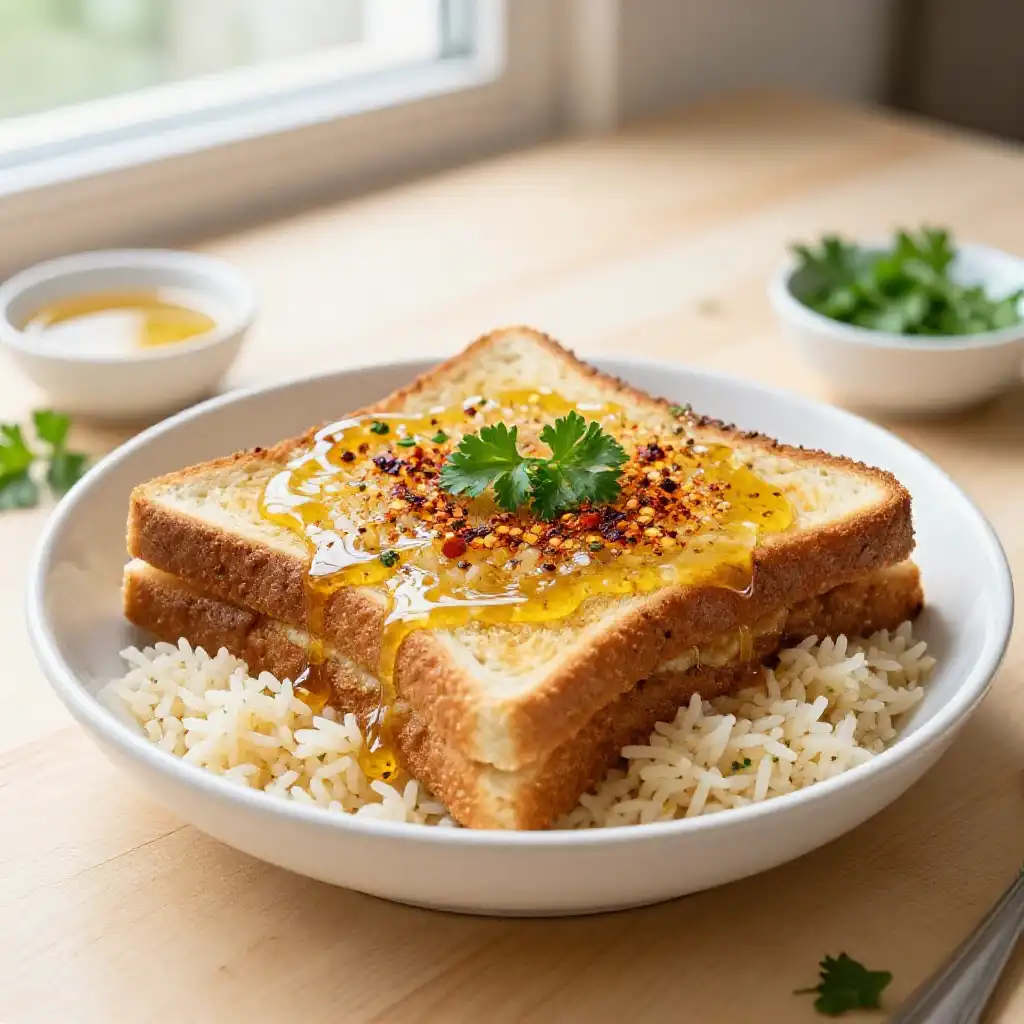
Forget your sad, soggy cereal. This is a breakfast with personality, a dish that demands your full attention and rewards you with every single bite. It’s the culinary equivalent of a warm hug and a playful shove all at once. And the best part? You can absolutely learn how to make Egyptian Fatta Bread and Rice with Vinegar in your own kitchen, no passport required. Let’s break down this beautiful, crunchy, tangy beast.
The Flavor Makers: What You Need to Raid the Pantry
This dish is all about a few key players working in perfect harmony. No fancy, unpronounceable ingredients here—just honest, powerful flavors. The magic lies in the quality of your basics. We’re building layers of taste and texture, so every component counts. Think of it as assembling a delicious, edible Jenga tower.
First, the foundation. You’ll need a sturdy, day-old flatbread, the kind that toasts up beautifully without turning to dust. Then, the fluffy heart of the dish: long-grain rice, steamed to perfection. The real star, however, is the tangy sauce. This is where the vinegar comes in, bringing a bright, acidic punch that wakes up every taste bud. Garlic is non-negotiable for its pungent kick, and a good quality stock provides a savory depth that ties everything together. A handful of fresh parsley for a green, herbal finish, and you’re almost there. For a deeper dive into incredible global flavors, I often get inspired by the creative concoctions over at Indixer’s drink section, proving that bold tastes aren’t just for food.
The Secret in the Sauce: A Tangy Science
What makes this dish sing isn’t just the vinegar itself, but how it’s treated. We’re not just dumping it on top; we’re transforming it. The science is simple but profound: when you heat the vinegar with the garlic and stock, the harsh, sharp edge mellows into a complex, rounded acidity. The heat softens the garlic’s raw bite, infusing the liquid with a sweet, aromatic warmth that will fill your entire kitchen with an irresistible scent. This process creates a perfectly balanced dressing that soaks into the bread and rice without making them a soggy, sad mess.
It’s a lesson in patience and balance. The goal is a sauce that has the tang to cut through the richness of the toasted bread and the fluffy rice, but with enough savory depth to complement, not overwhelm. This is the secret that separates a good Fatta from a truly unforgettable one. The vinegar isn’t just an ingredient; it’s the conductor of the entire flavor orchestra. And once you master this simple technique, you’ll find yourself using it to elevate salads, roasted vegetables, and even grilled meats. It’s a game-changer.
The Step-by-Step: Let’s Get Cooking
Alright, enough talk. Let’s get our hands dirty. This isn’t a finicky, precise recipe; it’s a forgiving, rustic method that thrives on your personal touch. The entire process is less about strict timings and more about listening to the sounds and smells coming from your stove.
Start by toasting your bread. Tear it into large, rustic pieces and fry them in a little oil until they’re golden brown and audibly crispy. Set them aside on a paper towel to drain. Next, cook your rice. While it’s steaming, begin the sauce. In a saucepan, gently heat some oil and sauté minced garlic until it’s fragrant but not browned. Pour in your vinegar and let it sizzle for a minute before adding the stock. Let it simmer and reduce slightly. This is where the magic happens. Once your rice is done and your sauce is ready, it’s assembly time. In a large bowl or on a platter, create your first layer with the crispy bread. Immediately spoon the hot, fluffy rice over the top. The steam from the rice will start to soften the bread just a touch, creating a perfect textural contrast. Finally, drench the entire glorious mound with the warm, tangy garlic sauce and shower it with chopped parsley.
Common Pitfalls: How NOT to Mess This Up
Even the most straightforward dishes have their traps. Consider this your friendly guide to avoiding a breakfast disaster. First, the bread. Using fresh, soft bread is a one-way ticket to Soggy Central. You need that day-old, crusty loaf that can stand up to the steam and sauce. The goal is a delightful crunch in every bite, not a mushy pile.
Second, the rice. Overcooked, gummy rice will weigh down the entire dish. You want each grain to be distinct and fluffy, providing a soft bed for the crunchy bread. And finally, the sauce timing. Don’t make it hours ahead. The magic is in that warm, freshly made sauce that’s poured over the hot rice. Making it too early can cause the garlic to become bitter and the flavors to dull. It’s a dish of immediacy, best enjoyed straight from the platter.
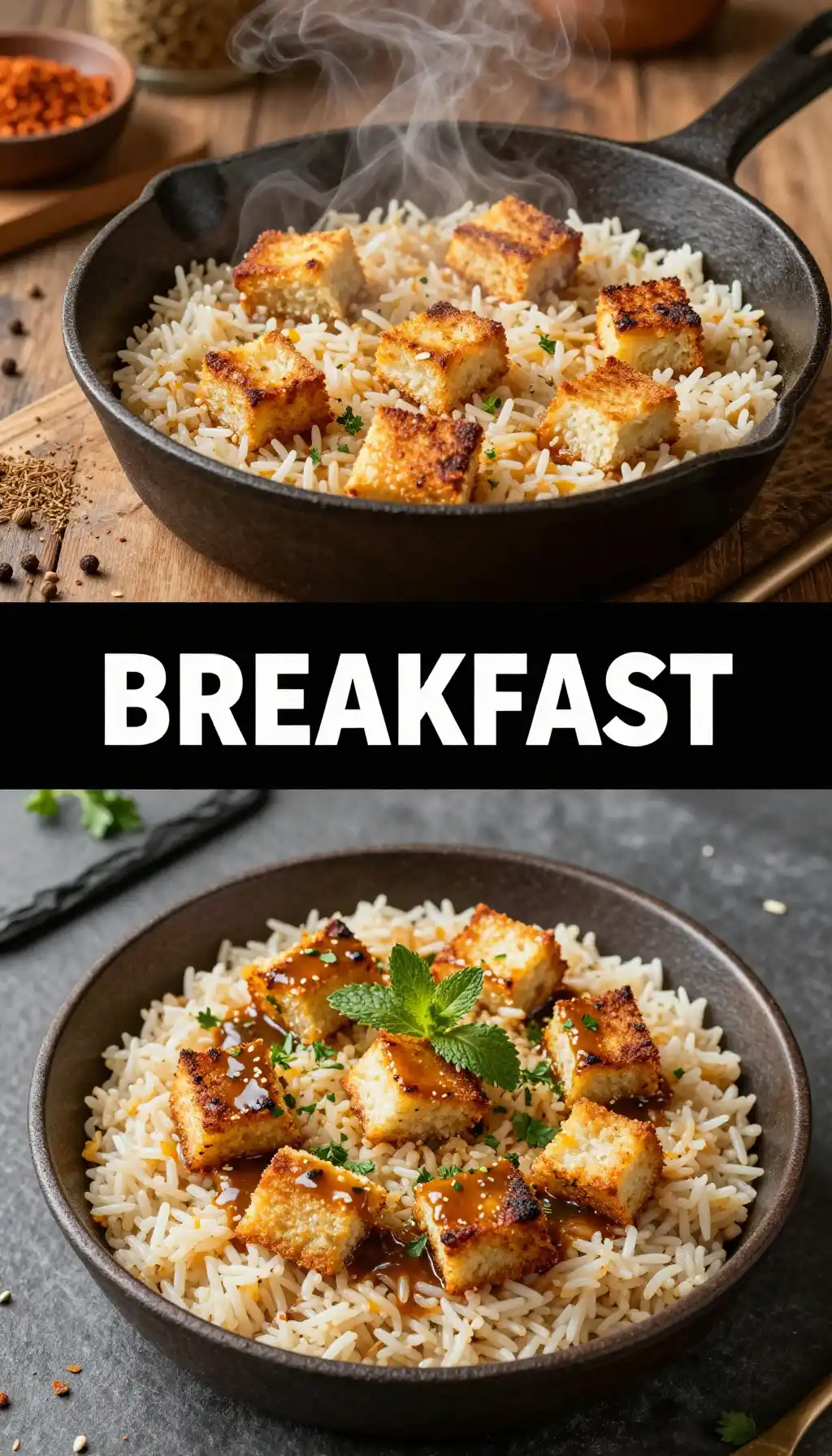
Serving Vibes: More Than Just a Meal
This isn’t a dish you whip up for a quick, solitary lunch. Egyptian Fatta Bread and Rice with Vinegar is an event. It’s the centerpiece of a lazy weekend brunch with family, the comforting meal you make after a long, taxing week, or the impressive yet surprisingly simple dish to serve to guests who think they’ve tasted it all. The aroma alone is a conversation starter.
Imagine a chilly, rainy morning, the sound of drops against the window, and the steam rising from a platter of this golden-brown, tangy masterpiece. It’s the ultimate comfort food, a hearty, satisfying meal that fills the house with warmth and incredible smells. It’s also a fantastic make-ahead option for a crowd, as the components can be prepared separately and assembled just before serving. For more inspiration on creating memorable moments with food, check out this fantastic collection of recipes that are sure to impress. Serve it family-style in the middle of the table and watch it disappear.
Your Fatta Questions, Answered
How do I store and reheat leftovers?
This is a dish best eaten fresh, but leftovers are still a treat. To combat sogginess, store the toasted bread, rice, and sauce in separate airtight containers in the fridge. When you’re ready to eat, reheat the rice and sauce on the stovetop. For the bread, spread it on a baking sheet and warm it in a hot oven for 5-10 minutes to restore its crunch. Then, assemble and devour.
Can I freeze Egyptian Fatta Bread and Rice with Vinegar?
How to freeze Egyptian Fatta Bread and Rice with Vinegar is a common question, and the answer is: do it component-wise. The sauce and cooked rice freeze beautifully for up to 3 months. The bread, however, is tricky. While you can freeze it, it may lose some of its signature crunch upon thawing. For the best experience, I recommend freezing only the rice and sauce, then toasting fresh bread when you’re ready to serve.
What are the calories in Egyptian Fatta Bread and Rice with Vinegar?
The calories in Egyptian Fatta Bread and Rice with Vinegar can vary based on your specific ingredients and portions, but it’s a hearty, energy-packed meal. A typical serving is rich in carbohydrates from the bread and rice, with some fat from the oil used for toasting and the sauce. It’s a satisfying meal that will keep you full for hours, so focus on the nourishment and the incredible flavors rather than the numbers. This is food for the soul, not just the body.
Can I make this with brown rice for a healthier twist?
Absolutely! While traditional Fatta uses white rice for its soft, fluffy texture, you can certainly substitute brown rice for a nuttier flavor and extra fiber. Just be sure to cook it until it’s very tender, as its chewier texture can change the overall feel of the dish. You might also need to adjust the amount of stock slightly, as brown rice absorbs more liquid.
Is the vinegar flavor overpowering?
Not at all! When made correctly, the vinegar is a bright, balancing note, not a harsh, sour punch. The key is to simmer it with the garlic and stock, which mellows its sharpness and integrates it into a savory, aromatic sauce. It should make you say “Ah!” not “Ugh!” If you’re sensitive to acidity, you can start with a little less vinegar and add more to taste.
Egyptian Fatta Bread and Rice with Vinegar

Ingredients
Ingredients
- 2 cups long-grain white rice rinsed thoroughly
- 4 cups water for cooking rice
- 1 tsp salt for rice
- 4 large pita breads cut into triangles or strips
- 2 tbsp vegetable oil for toasting bread
- 1 cup white vinegar for the sauce
- 2 tbsp garlic cloves minced, for sauce
- 1 tsp ground cumin for sauce
- 1 tsp salt for sauce, adjust to taste
- 1 tbsp fresh parsley chopped, for garnish
- 2 tbsp olive oil for drizzling, optional