
The Day My Kitchen Smelled Like a Kerala Spice Market
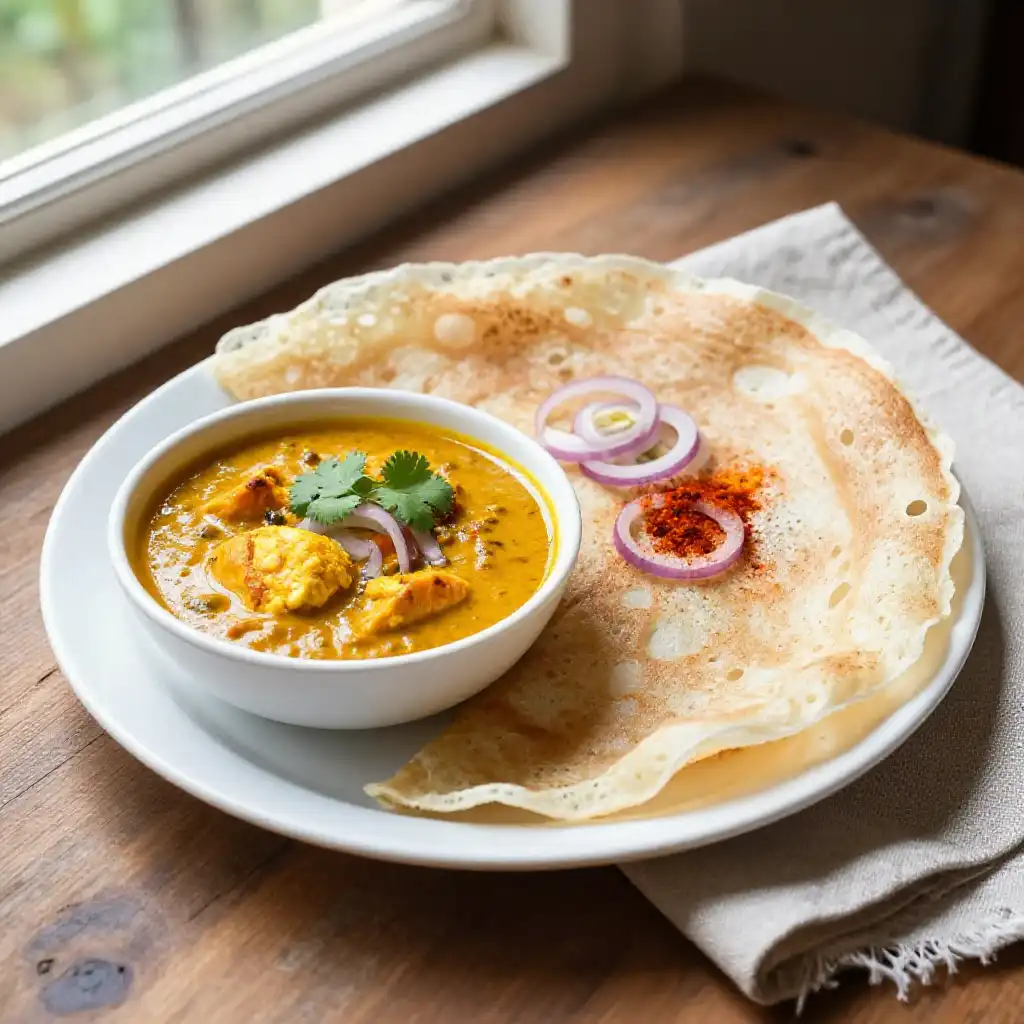
I’ll never forget the first time I tried appam. It was at a tiny, sun-drenched café where the air hung thick with the scent of roasting curry leaves and coconut. One bite of that soft, pillowy center, surrounded by a crispy, lacy edge, and I was a goner. Then came the egg curry—a fragrant, golden pool of coconut milk, studded with tender boiled eggs and flecked with chilies. The contrast was everything. That’s the magic of South Indian Appam with Egg Curry. It’s not just breakfast; it’s a textural symphony and a flavor explosion that wakes up every single one of your senses.
This dish is a beautiful paradox. It’s humble yet sophisticated, simple yet complex. The appam, a fermented rice pancake, is deceptively easy to make but yields a result that’s utterly captivating. The egg curry, simmered in a coconut milk base, is creamy, spiced, and deeply comforting. Together, they create a meal that feels both nourishing and indulgent. If you’ve never made it, you’re in for a treat. If you have, well, you already know why you’re about to make it again.
Recommended Product
 -40%
-40%
Astercook 21‑Piece Non‑Stick Ceramic Cookware Set with Detachable Handles
- Pieces →: 21‑piece set with pots, pans, lids & accessories
- Handles →: Secure removable/detachable handle system for space saving & oven use
- Non‑Stick Coating →: Premium ceramic non‑stick free of harmful PFOA chemicals for healthier cooking
- Cleanup →: Easy to clean thanks to non‑stick surface and detachable handles
What You Need to Raid the Pantry For
Let’s talk ingredients. For the appam, you’ll need short-grain rice (like idli rice), a handful of cooked rice (this is the secret to the perfect texture), fresh coconut (or unsweetened desiccated coconut in a pinch), and a touch of sugar to kickstart the fermentation. For the curry, the stars are eggs, coconut milk, mustard seeds, curry leaves, ginger, garlic, green chilies, and a warm blend of spices like turmeric and coriander. Don’t forget the shallots—they’re the unsung heroes that add a sweet, aromatic depth.
🍳 Used in this recipe
Get It on Amazon Basics✔ Free Delivery | ✔ Top Rated | ✔ Budget-FriendlyThe beauty here is in the simplicity. There are no fancy, hard-to-find ingredients. It’s all about technique and letting the natural flavors shine. The fermentation process for the appam batter is what gives it that distinctive tang and airy structure. For the curry, the slow simmer allows the coconut milk to absorb all the glorious spice flavors, creating a sauce that’s both rich and balanced. This is pantry-friendly cooking at its finest.
The Secret Life of a Perfect Appam Batter
Here’s where the science gets fun. Appam batter is a living, breathing thing. The combination of rice and cooked rice creates a unique starch profile. When blended with fresh coconut and a little sugar, and left to ferment, wild yeast and beneficial bacteria go to work. They feast on the sugars, producing carbon dioxide bubbles that give the appam its signature lacy edges and soft, spongy center. The slight tang is a byproduct of this fermentation, a hallmark of a well-made appam.
The consistency is crucial. The batter should be like a thin pancake batter—not too thick, not too watery. If it’s too thick, your appam will be heavy and doughy. Too thin, and it won’t hold its shape in the pan. The magic happens in a special pan called an appachatti, a small, deep-sided skillet that allows you to swirl the batter into a perfect circle. If you don’t have one, a small non-stick skillet with a lid will work in a pinch. The key is medium heat and a confident swirl.
🍳 Used in this recipe
Get It on Amazon Basics✔ Free Delivery | ✔ Top Rated | ✔ Budget-FriendlyHow NOT to Mess It Up: A Wit’s Guide to Common Pitfalls
Let’s be real, we’ve all had kitchen disasters. Here’s how to avoid the most common appam and curry catastrophes. First, **patience with fermentation**. Don’t rush it! In warmer climates, 8-12 hours is plenty. In cooler weather, it might need a full day. If your batter hasn’t bubbled up and developed a pleasant sour aroma, it’s not ready. Forcing it will just give you flat, sad appam.
Next, **coconut milk curdling**. This happens when the curry boils too aggressively. Coconut milk is delicate. Once you add it, keep the heat low and gentle. A lazy simmer is your friend. Stir occasionally, but don’t whisk it like you’re making a science experiment. And for the love of all that is holy, **don’t skip the tempering**. That sizzle of mustard seeds and curry leaves in hot oil isn’t just for show—it’s the flavor foundation of the entire dish. It’s the aromatic “hello” from the pan.
Serving Vibes: Set the Scene
South Indian Appam with Egg Curry is the ultimate comfort food for a drizzly, gray morning. Imagine curling up on the sofa, a steaming plate in your lap, the windows fogged up from the rain outside. The sweet, yeasty aroma of the appam mingles with the spicy, coconutty scent of the curry, creating a cozy cloud of deliciousness. It’s a quiet, soulful meal that demands your full attention.
🍳 Used in this recipe
Get It on Amazon Basics✔ Free Delivery | ✔ Top Rated | ✔ Budget-FriendlyBut it’s also a showstopper for a relaxed weekend brunch with friends. Serve it family-style, letting everyone tear off pieces of appam and dip them into the communal curry bowl. It’s interactive, fun, and incredibly satisfying. Pair it with a strong, milky chai or a frothy smoothie from our friends over at Indixer’s smoothie and drinks category for a complete experience. It’s a meal that bridges the gap between a hearty breakfast and a light, elegant dinner.

Let’s Get Cooking: The Step-by-Step
For the Appam Batter:
Rinse the short-grain rice and soaked cooked rice together until the water runs clear. Drain well. In a blender, combine the rice mixture, fresh coconut, sugar, salt, and a little water. Blend to a smooth, thick paste. Transfer to a large bowl, cover, and let it ferment in a warm spot for 8-12 hours, or until bubbly and slightly sour. The batter should have doubled in volume.
For the Egg Curry:
Start by tempering the spices. Heat oil in a pan, add mustard seeds, and let them pop. Toss in curry leaves, sliced shallots, ginger, garlic, and green chilies. Sauté until the shallots turn golden and fragrant. Sprinkle in the turmeric and coriander powder, stirring for 30 seconds. Pour in the coconut milk and add salt. Bring to a gentle simmer. Gently add the boiled, peeled eggs. Let them soak up the flavors for 10-15 minutes on low heat.
🍳 Used in this recipe
Get It on Amazon Basics✔ Free Delivery | ✔ Top Rated | ✔ Budget-FriendlyPutting It All Together:
Heat your appachatti or skillet over medium heat. Brush it lightly with oil. Pour a ladleful of batter into the center and immediately swirl the pan to coat the bottom in a thin, even layer, leaving a slightly thicker center. Cover and cook for 2-3 minutes until the edges are golden and lacy and the center is cooked through. Slide it out and repeat. Serve the hot appam immediately with the fragrant egg curry.
Leftovers? Here’s the Plan
You’ll be happy to know both components hold up beautifully. For the appam, let them cool completely, then stack them with parchment paper in between and store in an airtight container in the fridge for up to 3 days. To reheat, a quick warm-up in a dry skillet or a few seconds in the microwave will restore their softness. For the egg curry, store it in a sealed container in the fridge. The flavors will meld and deepen overnight, making leftovers arguably even better.
Freezing is a fantastic option for meal prep. To freeze South Indian Appam with Egg Curry, do it smartly. Cool the appam completely, then freeze them flat on a baking sheet before transferring to a freezer bag. This prevents them from sticking together. The egg curry freezes well too, though the texture of the coconut milk might change slightly upon thawing—just give it a good stir when reheating. Thaw everything in the fridge overnight and reheat gently on the stovetop.
🍳 Used in this recipe
Get It on Amazon Basics✔ Free Delivery | ✔ Top Rated | ✔ Budget-FriendlyFAQ: Your Burning Questions, Answered
How do I make South Indian Appam with Egg Curry for beginners?
The key is to start with the appam batter. It’s the most time-sensitive part. Follow the recipe closely, and don’t skip the fermentation. For a beginner-friendly shortcut, you can find good quality, pre-made appam batter in some Indian grocery stores. The egg curry is much more forgiving, so focus your energy on getting that batter right. Check out our guide on how to make South Indian Appam with Egg Curry for more detailed tips.
What are the calories in South Indian Appam with Egg Curry?
This is a naturally wholesome dish. A typical serving (two appam and a portion of curry) can range from 350-500 calories, depending on the size of your appam and how much coconut milk you use. It’s packed with complex carbs from the rice, protein from the eggs, and healthy fats from the coconut. It’s a balanced meal that will keep you full for hours.
Can I make the appam batter ahead of time?
Absolutely! In fact, it’s often better. You can prepare the batter and let it ferment in the fridge for up to 2 days. This gives the flavors more time to develop. Just bring it to room temperature before cooking, and give it a gentle stir. If it’s been sitting for a while, you might need to add a tablespoon of water to loosen it back up to the right consistency.
🍳 Used in this recipe
Get It on Amazon Basics✔ Free Delivery | ✔ Top Rated | ✔ Budget-FriendlyMy appam doesn’t have lacy edges. What went wrong?
This is the most common appam woe! It usually boils down to two things: batter consistency and heat. If your batter is too thick, it won’t spread thinly and create those delicate laces. Aim for a thin, pourable consistency. Also, make sure your pan is at the right temperature. Too hot, and the edges will burn before the lacy network forms. Medium heat is the sweet spot.
Is there a vegan version of this recipe?
Yes, and it’s delicious! Simply replace the eggs in the curry with firm tofu cubes or even hearty vegetables like potatoes and cauliflower. The cooking method remains the same. The appam batter is already vegan, so you’re good to go. The coconut milk curry is so rich and flavorful, you won’t miss the eggs at all.

South Indian Appam with Egg Curry

Ingredients
Ingredients
- 2 cups raw rice soaked for 4-6 hours
- 0.5 cup cooked rice for texture
- 0.25 cup active yeast or 1 tsp dry yeast
- 1 tsp sugar for fermentation
- 0.5 tsp salt adjust to taste
- 4 large eggs hard-boiled
- 1 cup coconut milk full-fat
- 1 tbsp coconut oil for cooking appam
- 1 medium onion finely chopped
- 2 tbsp ginger-garlic paste freshly made
- 1 tsp mustard seeds for tempering
- 1 tsp cumin seeds for tempering
- 2 whole dried red chilies adjust for heat
- 1 sprig curry leaves fresh
- 1 tsp turmeric powder for color
- 1 tsp coriander powder for flavor