
Wake Up and Smell the Chickpeas: My Lablabi Love Affair
Picture this: a pre-dawn chill clinging to the air, the city still yawning, and a steamy, fragrant bowl of something deeply nourishing placed before you. That was my first memory of Tunisian Lablabi Chickpea Soup Breakfast. It wasn’t in a fancy restaurant, but at a bustling street-side stall in Tunis, where the air was thick with the scent of toasted cumin and the gentle hum of morning conversation. One spoonful—that creamy, spiced chickpea broth, the runny yolk swirling through it, the crunch of fresh bread—was a revelation. It’s a hug in a bowl, a flavor explosion that shakes the sleep from your bones and says, “Good morning, let’s do this.”
This isn’t just soup; it’s a cultural ritual, a testament to the magic of humble ingredients. And I’m about to make you its biggest fan.
Recommended Product
 -40%
-40%
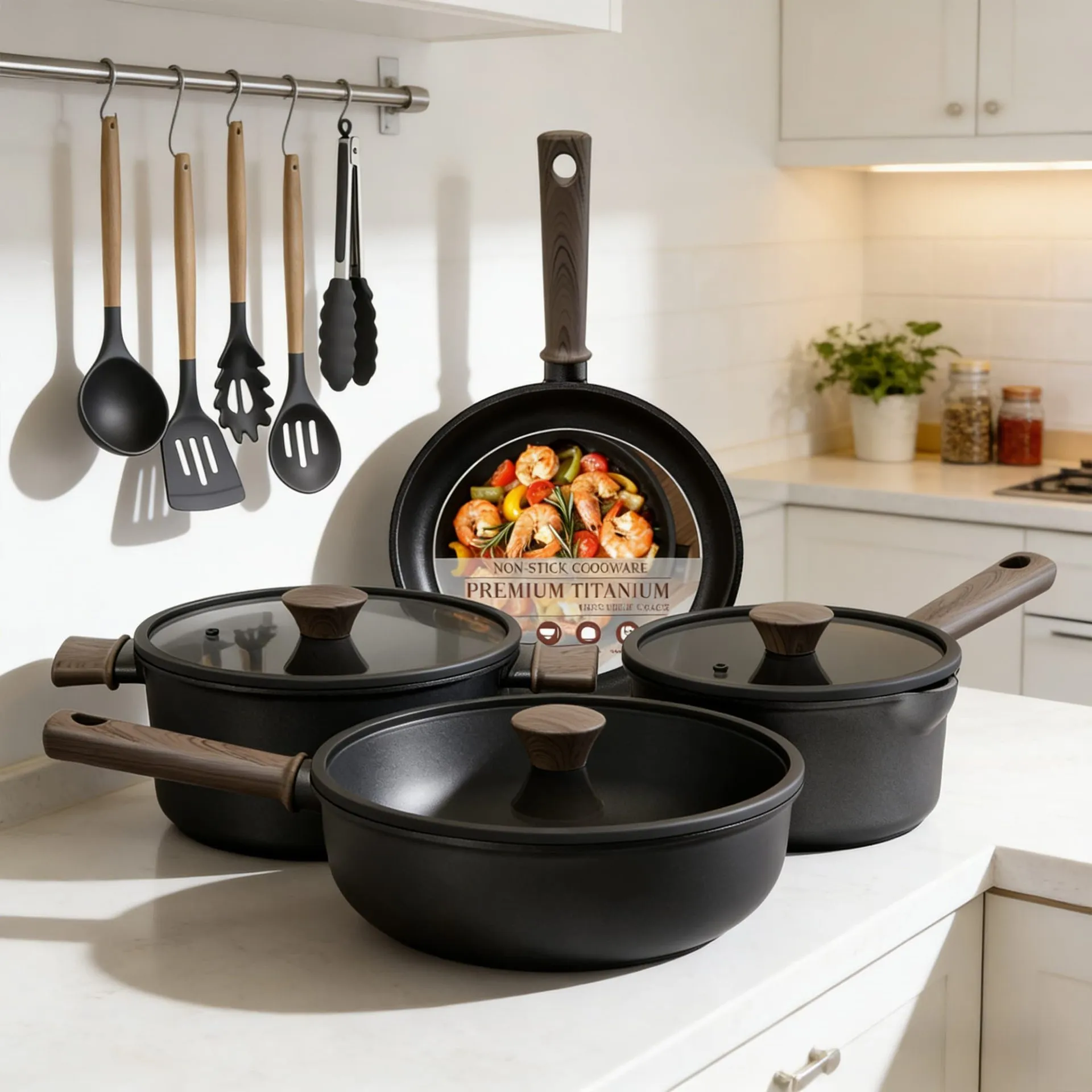
Astercook 21‑Piece Non‑Stick Ceramic Cookware Set with Detachable Handles
- Pieces →: 21‑piece set with pots, pans, lids & accessories
- Handles →: Secure removable/detachable handle system for space saving & oven use
- Non‑Stick Coating →: Premium ceramic non‑stick free of harmful PFOA chemicals for healthier cooking
- Cleanup →: Easy to clean thanks to non‑stick surface and detachable handles
The Alchemy of a Simple Bowl: Why This Lablabi Rules
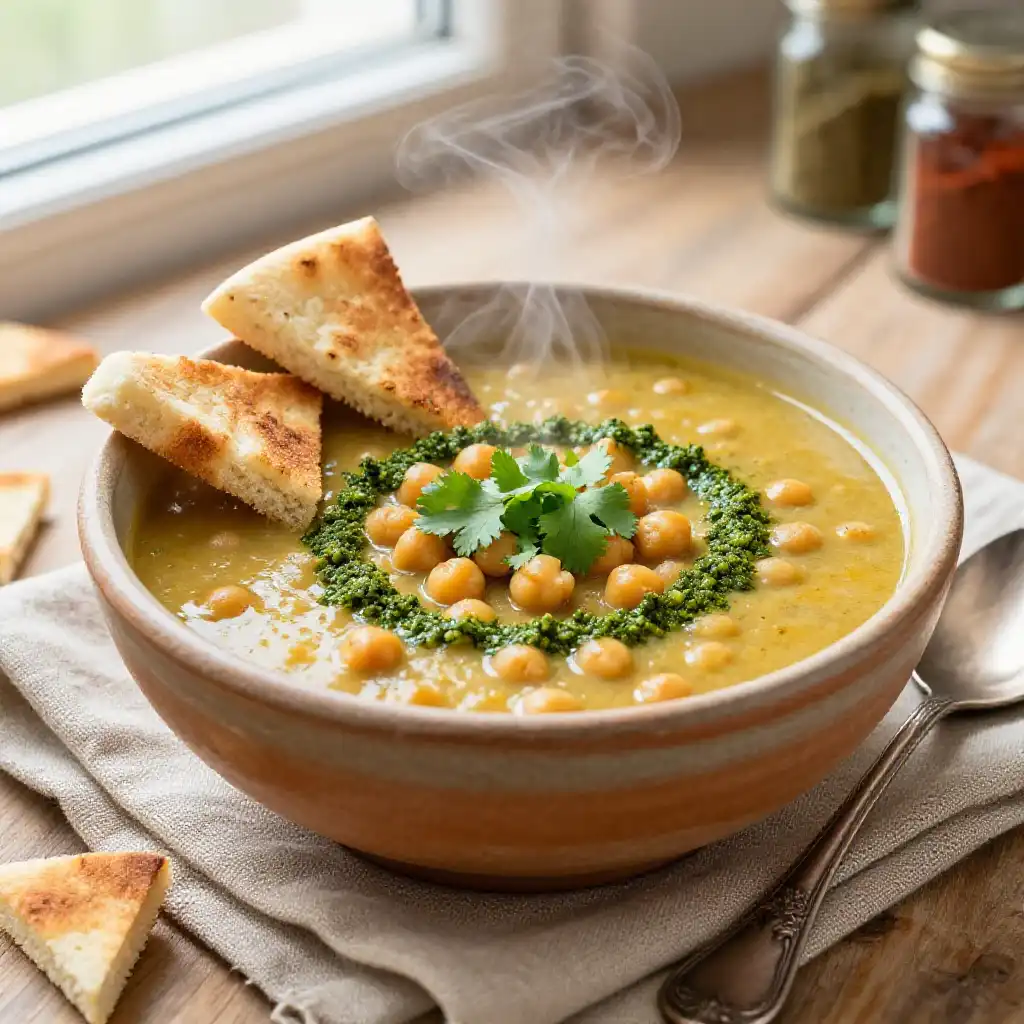
Let’s cut the fluff. This recipe rocks because it’s a masterclass in layered texture and flavor from a handful of pantry staples. You get the soul-soothing creaminess of slow-cooked chickpeas, the fiery kick of harissa that wakes up your palate, and the earthy, warm embrace of cumin. Then, the grand finale: a perfectly poached egg whose yolk acts as a rich, natural sauce, binding everything together in a luxurious, golden swirl. It’s incredibly forgiving, wildly adaptable, and feels both rustic and sophisticated.
🍳 Used in this recipe
Get It on Amazon Basics✔ Free Delivery | ✔ Top Rated | ✔ Budget-FriendlyPlus, it’s a one-pot wonder. Minimal cleanup, maximum satisfaction. That’s the kind of math I can get behind.
The Chickpea’s Secret Life: Unlocking Creamy Perfection
Ever wondered why your chickpeas are sometimes a bit, well, firm? The secret to a truly velvety Lablabi lies in the chickpea’s journey. We’re not just boiling them; we’re coaxing out their starch, transforming them from humble legumes into thickening agents for our soup. The magic happens when you cook them low and slow, allowing their skins to break down just enough to create a natural, creamy body. It’s a gentle breakdown, not a violent mush.
And here’s the pro tip: save some of that starchy cooking liquid! It’s liquid gold for adjusting the soup’s consistency later. This is the science of comfort food, turning simple beans into a luxurious, spoon-coating broth.
🍳 Used in this recipe
Get It on Amazon Basics✔ Free Delivery | ✔ Top Rated | ✔ Budget-FriendlyLet’s Get Cooking: The Flavor Makers
What You Need to Raid From the Pantry
The Chickpea Base:
- 2 cups dried chickpeas, soaked overnight (or 3 cans, drained and rinsed, for a faster fix)
- 8 cups water or vegetable broth
- 1 large onion, chopped
- 4 cloves garlic, minced
- 2 tablespoons olive oil
The Spice Cabinet Heroes:
- 2 tablespoons ground cumin (the soul of the dish)
- 1-2 tablespoons harissa paste (adjust for your heat tolerance)
- 1 teaspoon ground coriander
- Salt and freshly ground black pepper to taste
The Finishing Touches:
🍳 Used in this recipe
Get It on Amazon Basics✔ Free Delivery | ✔ Top Rated | ✔ Budget-Friendly- 4-6 large eggs
- Fresh cilantro or parsley, chopped
- Lemon wedges
- Crusty bread (like a baguette or rustic sourdough) for serving

The Step-by-Step: Building Your Breakfast Masterpiece
First, if using dried chickpeas, drain your soaked ones and add them to a large pot with the fresh water or broth. Bring to a boil, then reduce to a gentle simmer. Let them bubble away for 1 to 1.5 hours until incredibly tender. If using canned, simply skip this step and start with the sauté.
Meanwhile, in a separate pan, heat the olive oil over medium heat. Sauté the chopped onion until it’s soft and translucent, about 5 minutes. Add the minced garlic and cook for another minute until fragrant—don’t let it brown!
Now, the flavor bomb. Stir in the cumin, coriander, and harissa paste. Cook for 30 seconds, letting the spices toast and bloom in the oil. Your kitchen should smell like a Tunisian marketplace. Add this fragrant mixture to the pot with the chickpeas. Stir well, season with salt and pepper, and let everything simmer together for at least 20 minutes to marry the flavors.
🍳 Used in this recipe
Get It on Amazon Basics✔ Free Delivery | ✔ Top Rated | ✔ Budget-FriendlyHere’s where you control the texture. For a chunkier soup, leave it as is. For a creamier version, use an immersion blender to partially puree the soup right in the pot. I like to leave some whole chickpeas for texture.
Time for the crowning glory. Make small wells in the simmering soup and crack an egg into each one. Cover the pot and let the eggs poach gently in the broth for 4-6 minutes, until the whites are set but the yolks are still gloriously runny.
Ladle the soup into deep bowls, ensuring each one gets an egg. Garnish with a shower of fresh herbs, a squeeze of lemon, and a side of crusty bread for dipping. The first crack of that yolk is pure joy.
🍳 Used in this recipe
Get It on Amazon Basics✔ Free Delivery | ✔ Top Rated | ✔ Budget-FriendlyLeftovers? Here’s the Plan
This soup is a fantastic make-ahead meal. Let it cool completely, then store it in an airtight container in the refrigerator for up to 4 days. The flavors actually deepen overnight! To reheat, gently warm it on the stove over medium-low heat, adding a splash of water or broth if it has thickened too much.
For the egg, it’s best to poach it fresh when serving. However, if you must, you can soft-boil the eggs separately and add them to the reheated soup. The texture will be slightly different, but still delicious.
How NOT to Mess This Up: Common Pitfalls
Avoid the “Sad, Watery Soup” trap. If your broth lacks body, you likely didn’t cook your dried chickpeas long enough or you skipped the step of pureeing some of them. Remember, the chickpeas themselves are your thickener! Use that starchy cooking liquid wisely.
🍳 Used in this recipe
Get It on Amazon Basics✔ Free Delivery | ✔ Top Rated | ✔ Budget-FriendlyDon’t fear the harissa, but respect it. Start with a tablespoon and taste. You can always add more heat, but you can’t take it away. The goal is a warm, complex spice, not a five-alarm fire that obliterates the other flavors. And please, for the love of all that is good, don’t overcook your egg. A firm, chalky yolk is the enemy of a perfect Lablabi.
Serving Vibes: Setting the Scene
This is the ultimate rainy day or chilly morning meal. It’s what you want when you need soul-warming comfort and a serious energy boost. Serve it for a lazy weekend breakfast with friends, family-style in the middle of the table, with everyone customizing their own bowl with extra herbs and lemon.
It’s also a brilliant, nourishing dinner for those nights when you want something deeply satisfying but not overly heavy. Pair it with a simple green salad and some crusty bread. For more inspiring drink ideas to accompany your meals, check out this collection of smoothies and drinks. And for a complete Tunisian feast, you can find other recipes on our site at slapid.com/recipes.
🍳 Used in this recipe
Get It on Amazon Basics✔ Free Delivery | ✔ Top Rated | ✔ Budget-FriendlyYour Lablabi Questions, Answered
How to freeze Tunisian Lablabi Chickpea Soup Breakfast?
This soup freezes beautifully! Let it cool completely, then portion it into freezer-safe containers or bags, leaving an inch of space for expansion. Freeze for up to 3 months. Thaw overnight in the fridge and reheat gently on the stove. For the best texture, freeze the soup base without the egg and herbs, adding those fresh when you serve.
What are the calories in Tunisian Lablabi Chickpea Soup Breakfast?
A generous serving (about 1.5 cups with one egg) typically ranges from 350-450 calories, depending on the amount of olive oil and bread you serve with it. It’s a nutrient-dense meal packed with plant-based protein and fiber, making it incredibly filling and energizing.
Can I make this in a slow cooker?
Absolutely! Sauté the onions, garlic, and spices on the stovetop first (this step is crucial for flavor). Then add everything to your slow cooker with the chickpeas and broth. Cook on low for 6-8 hours or on high for 3-4 hours. Add the eggs in the last 30 minutes, poaching them directly in the slow cooker with the lid on.
🍳 Used in this recipe
Get It on Amazon Basics✔ Free Delivery | ✔ Top Rated | ✔ Budget-FriendlyIs there a gluten-free option?
The soup itself is naturally gluten-free! Just be mindful of the bread you serve it with. Opt for a gluten-free crusty loaf or serve it with gluten-free crackers. Also, ensure your harissa paste is certified gluten-free if that’s a concern.
What’s the difference between Lablabi and other chickpea soups?
The key is in the spices and the ritual. Lablabi is defined by its heavy use of cumin and harissa, and the signature act of poaching a runny egg directly in the soup at the end. It’s less of a blended, smooth soup and more of a brothy, textured experience meant to be eaten with bread. It’s a specific Tunisian tradition, not just any chickpea soup!
Tunisian Lablabi Chickpea Soup Breakfast

Ingredients
Ingredients
- 2 cups cooked chickpeas rinsed and drained if canned
- 1 large onion finely chopped
- 3 cloves garlic minced
- 2 tbsp olive oil
- 1 tbsp ground cumin
- 1 tsp ground coriander
- 1 tsp harissa paste adjust for spice level
- 4 cups vegetable broth
- 4 large eggs
- 1 tbsp lemon juice
- 1 tsp salt to taste
- 0.5 tsp black pepper to taste
- 0.25 cup fresh cilantro chopped, for garnish
Notes
🍳 Used in this recipe
Get It on Amazon Basics✔ Free Delivery | ✔ Top Rated | ✔ Budget-Friendly