
The Aroma That Stopped Me in My Tracks
I’ll never forget the first time I truly *met* Musakhan. It wasn’t in a fancy restaurant with white tablecloths. It was in a bustling market in Jerusalem, the air thick with the scent of baking bread and something else—something magical. It was a perfume of toasted sumac, sweet, jammy onions, and the earthy fragrance of chicken slow-cooking with warm spices. It smelled like home, even though I wasn’t home. That, my friends, is the power of this dish. It’s not just food; it’s a sensory hug. This Palestinian Musakhan Flatbread with Sumac is my attempt to bottle that lightning, to bring that incredible, tangy, savory experience right into your kitchen. It’s a dish that makes your house smell like a dream and your taste buds sing.
This isn’t your average weeknight dinner. It’s a celebration on a platter. The star is the sumac, a deep crimson spice with a tart, lemony punch that cuts through the richness of the caramelized onions. It’s all piled onto a sturdy, absorbent flatbread that soaks up every last drop of flavor. Forget delicate, wimpy flavors. This dish arrives with boldness and confidence, ready to make an impression.
Recommended Product
 -40%
-40%
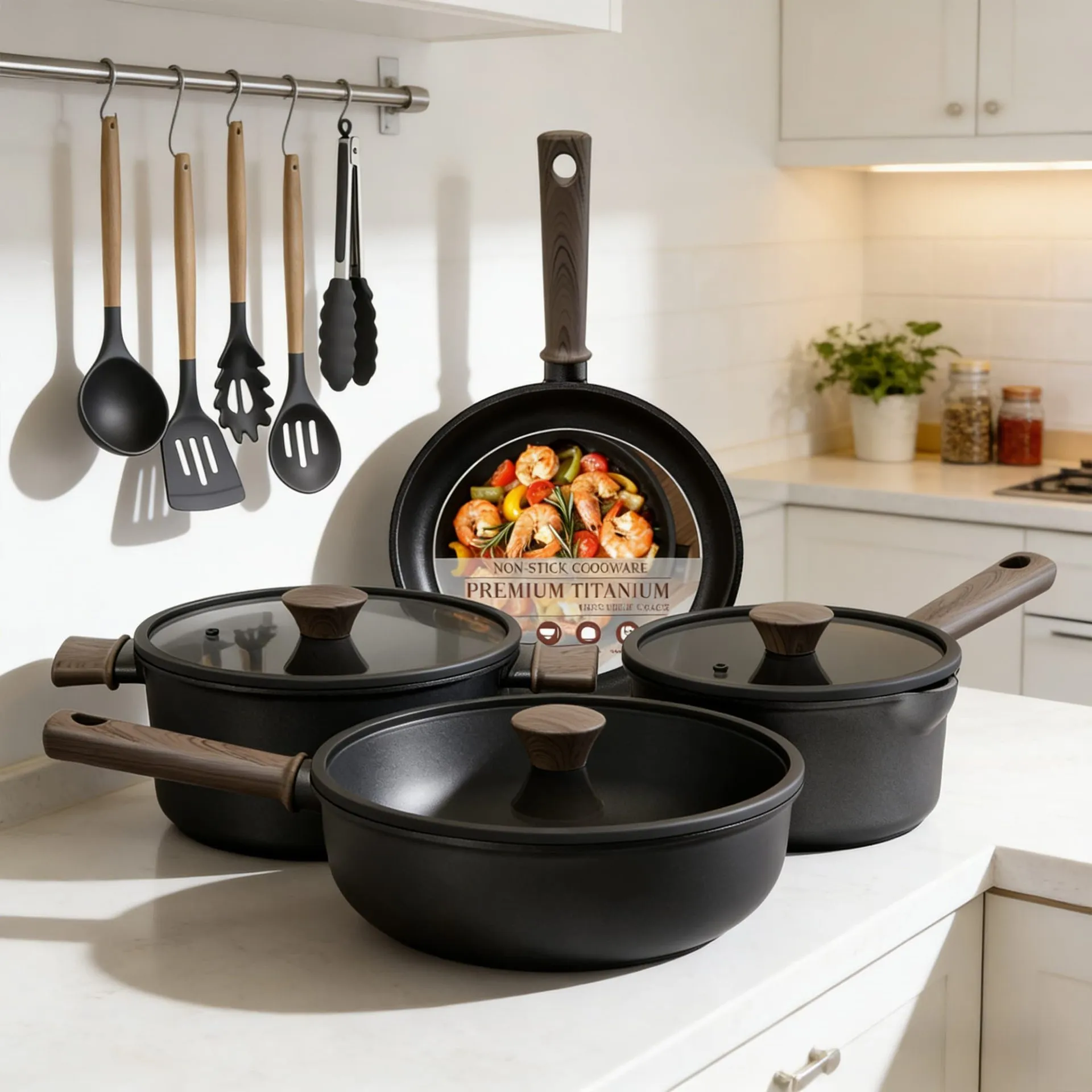
Astercook 21‑Piece Non‑Stick Ceramic Cookware Set with Detachable Handles
- Pieces →: 21‑piece set with pots, pans, lids & accessories
- Handles →: Secure removable/detachable handle system for space saving & oven use
- Non‑Stick Coating →: Premium ceramic non‑stick free of harmful PFOA chemicals for healthier cooking
- Cleanup →: Easy to clean thanks to non‑stick surface and detachable handles
The Sumac Secret: Why This Spice is Everything
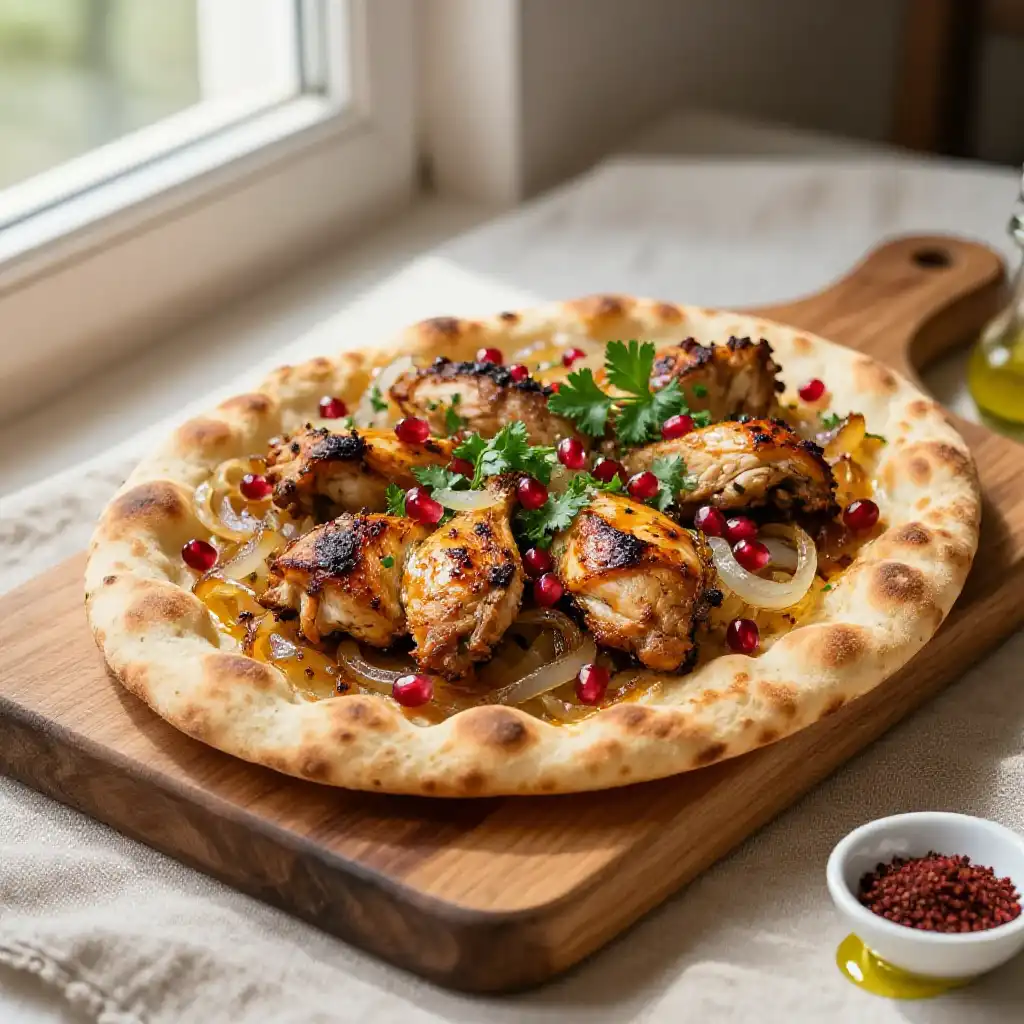
Let’s talk about the undisputed king of this recipe: sumac. You see that gorgeous, dusty-red color? That’s not just for show. While many spices offer a warm, earthy, or fiery profile, sumac is the citrus whisperer of the spice rack. It doesn’t taste like lemon juice, mind you. It’s more complex—a bright, tangy, astringent flavor that wakes up every other ingredient it touches. Think of it as a flavor spotlight.
🍳 Used in this recipe
Get It on Amazon Basics✔ Free Delivery | ✔ Top Rated | ✔ Budget-FriendlyThe science is pretty cool, too. The active compound in sumac, called gallic acid, is what gives it that puckering, acidic quality. This acidity is the perfect foil for the sweet, slow-cooked onions and the savory chicken. It balances the dish, preventing it from becoming heavy or cloying. It’s the reason you can’t just substitute lemon pepper and call it a day. The unique, almost fruity tartness of sumac is what makes this dish authentic. It’s the soul of the Palestinian Musakhan Flatbread with Sumac. Finding high-quality sumac is your first step to greatness—it should smell vibrant and slightly fruity, not dusty.
What You Need to Raid the Pantry For
The beauty of this dish lies in its simplicity. It’s about coaxing maximum flavor from a few key players. Don’t be tempted to overcomplicate it; the ingredients are doing the heavy lifting here. For the chicken, you’ll need bone-in, skin-on pieces (thighs and drumsticks are perfect) to keep it juicy and flavorful. The spice blend is non-negotiable: a generous amount of sumac, of course, along with ground cumin for warmth, a whisper of allspice for that exotic depth, and a pinch of cinnamon for a surprising, sweet undertone.
For the onion topping, you want a mountain of them. Seriously. They shrink down to a sweet, jammy puddle of goodness. We’ll also need some toasted pine nuts for that essential crunch and richness—don’t skip them, they’re the textural counterpoint. And for the flatbread, a sturdy version like taboon bread or even thick pita is your best bet. It needs to be a strong foundation, capable of holding up to all that glorious topping without turning into a sad, soggy mess. Finally, a drizzle of good quality olive oil to bring it all together. This isn’t just for cooking; it’s a key flavor component.
🍳 Used in this recipe
Get It on Amazon Basics✔ Free Delivery | ✔ Top Rated | ✔ Budget-FriendlyLet’s Get Cooking: The Step-by-Step
First, we marinate the chicken. In a large bowl, toss your chicken pieces with a generous glug of olive oil, the sumac, cumin, allspice, cinnamon, salt, and pepper. Get in there with your hands and really massage those spices into the meat and under the skin. Let it hang out for at least 30 minutes, or ideally a few hours in the fridge. This is where the flavor starts its journey.
Next, roast the chicken until it’s cooked through and the skin is gloriously crispy and golden-brown. The smell at this stage is intoxicating. While the chicken is roasting, it’s onion time. Slice a mountain of onions thinly. In a large skillet, heat up more olive oil and add the onions. Cook them low and slow. We’re not sautéing here; we’re coaxing. You want them to become soft, translucent, and deeply, deeply sweet. This can take a while, but patience is your friend. When they’re jammy and beautiful, stir in a hefty amount of sumac and some toasted pine nuts.
Now for the assembly. Lay your flatbreads on a baking sheet. Shred the roasted chicken, discarding the bones. Pile the shredded chicken onto the flatbreads, then smother it with your sumac-laced onion and pine nut mixture. Drizzle with a little more olive oil. Pop it all back into a hot oven for about 5-10 minutes, just until the bread is warmed through and the edges are starting to crisp. You want everything to be hot, melty, and fragrant. Slice it up and serve immediately.
🍳 Used in this recipe
Get It on Amazon Basics✔ Free Delivery | ✔ Top Rated | ✔ Budget-FriendlyHow NOT to Mess This Up: A Guide
Alright, let’s avert a culinary disaster. The biggest pitfall? **The Onion Incident.** Do not, under any circumstances, rush the onions. If you crank up the heat and try to “fry” them, you’ll get burnt, bitter bits. You want a slow, loving caramelization that brings out their natural sugars until they’re a sweet, melting pile. If they’re browning too fast, your heat is too high. Turn it down. Breathe.
Another common mistake is **The Sumac Shyness.** Listen, this dish is called Palestinian Musakhan Flatbread with Sumac for a reason. Be bold! When the recipe says a “hefty amount,” it means it. The sumac isn’t a garnish; it’s the main event. It should make you pucker just a little bit in the best way possible. If you’re sprinkling it on like it’s precious dust, you’re doing it wrong. Finally, **The Soggy Foundation.** Your choice of flatbread is crucial. If you use a flimsy tortilla, you will regret it. You need a bread with some structural integrity that can absorb the delicious chicken juices and olive oil without collapsing into a puddle. A sturdy flatbread is your best friend here.
Serving Vibes: Setting the Scene
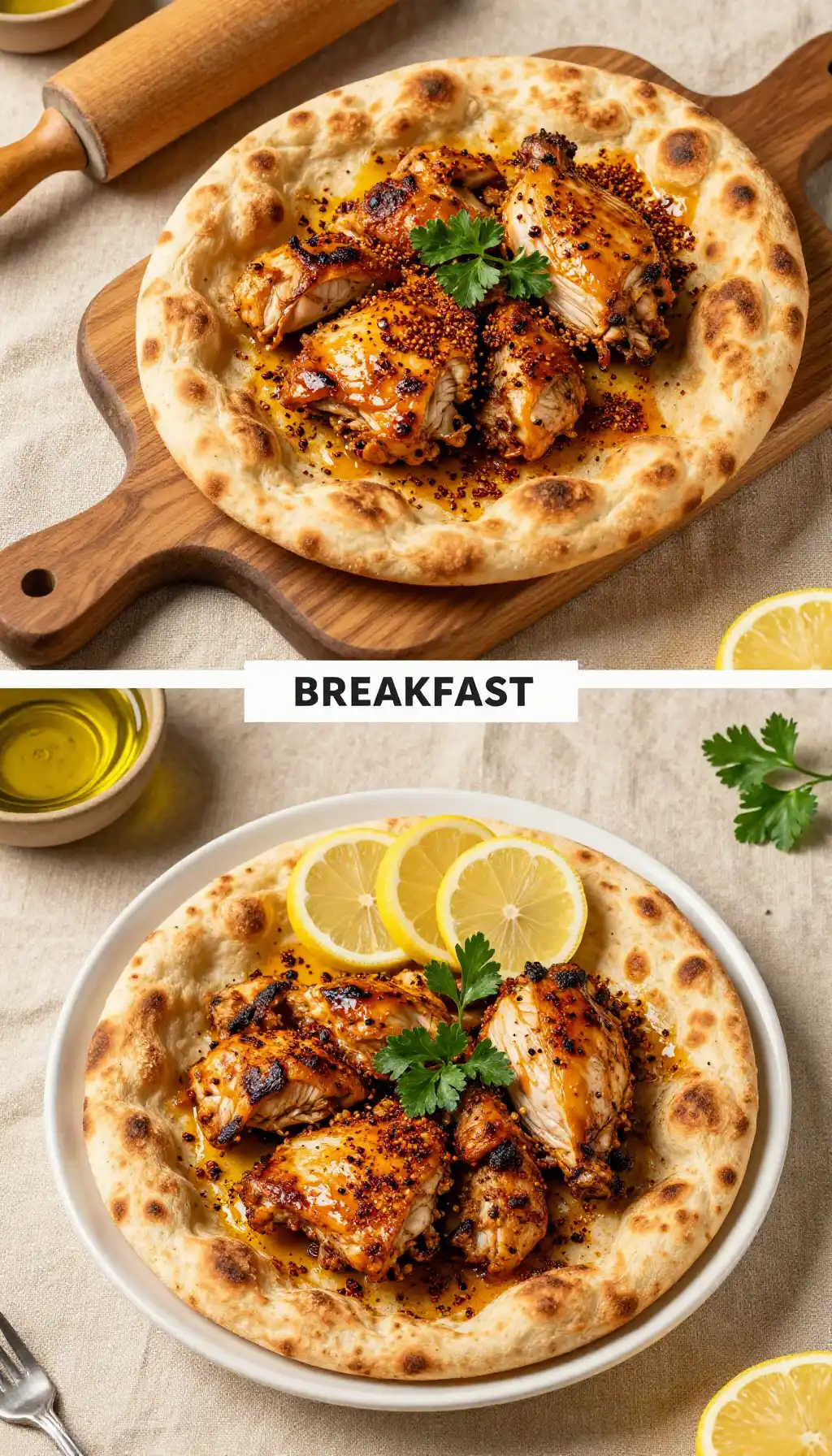
This dish has a vibe. It’s not a quiet Tuesday night solo meal (though I wouldn’t judge). It’s a “gather the troops” kind of meal. It’s perfect for a lazy, decadent weekend brunch that stretches into the afternoon. Picture this: a big platter of this flatbread in the center of the table, surrounded by small bowls of creamy labneh, a simple cucumber and tomato salad, and maybe some olives. People tearing off pieces with their hands, talking and laughing. It’s a communal, messy, joyous way to eat.
🍳 Used in this recipe
Get It on Amazon Basics✔ Free Delivery | ✔ Top Rated | ✔ Budget-FriendlyIt’s also the ultimate comfort food for a gloomy day. The warm spices and the tangy sumac feel like a cozy blanket from the inside out. It pairs beautifully with a crisp, refreshing drink to cut through the richness. If you’re looking for some inspiration, check out these amazing smoothies and drinks that would be a perfect counterpoint. The vibrant colors of the dish—deep red sumac, golden chicken, green parsley—also make it a showstopper for guests. It looks impressive, but you and I will know how straightforward it really is.
Your Musakhan Questions, Answered
People have questions, and I have answers. Let’s clear up the common curiosities surrounding this beautiful dish.
How to freeze Palestinian Musakhan Flatbread with Sumac?
This is a great question for meal preppers! The best strategy is to freeze the components separately. The cooked chicken and the onion topping freeze beautifully in airtight containers for up to 3 months. The flatbread itself is best used fresh, as freezing and reheating can make it a bit tough. When you’re ready to eat, simply thaw the chicken and onion mixture, warm it up, assemble on a fresh flatbread, and crisp it up in the oven. It’s almost as good as day one.
🍳 Used in this recipe
Get It on Amazon Basics✔ Free Delivery | ✔ Top Rated | ✔ Budget-FriendlyWhat are the calories in Palestinian Musakhan Flatbread with Sumac?
Ah, the age-old question. It really depends on your portion size and how much olive oil you use (we love a generous glug here!). A standard serving is probably in the 500-700 calorie range, but it’s also packed with protein from the chicken, healthy fats from the olive oil and nuts, and nutrients from the onions. It’s a satisfying, energy-dense meal. If you’re curious about the specifics, you can always plug the ingredients into a recipe calculator like the one you might find on Slapid.com for a more precise breakdown.
Can I use chicken breast instead of bone-in pieces?
You *can*, but you’ll be sacrificing a lot of flavor and moisture. The bones and skin add a depth that you just can’t get from a plain breast. If you must use breast, I recommend cutting it into chunks and reducing the cooking time significantly to avoid drying it out. But trust me, the thighs and drumsticks are where it’s at for an authentic and truly delicious result.
Is this dish spicy hot?
Not in the “chili pepper” sense. It’s warm and aromatic. The spice comes from the blend of cumin, allspice, and cinnamon, which provide a cozy warmth, not a fiery burn. The “zing” comes from the sumac, which is tart and tangy. If you do want to add some heat, a pinch of cayenne pepper to the chicken marinade would be a lovely addition.
🍳 Used in this recipe
Get It on Amazon Basics✔ Free Delivery | ✔ Top Rated | ✔ Budget-FriendlyWhat’s the best way to reheat leftovers?
The oven is your best friend here. The microwave will make the bread rubbery and the chicken tough. Lay the leftover flatbread on a baking sheet and warm it in a 350°F (175°C) oven for about 8-10 minutes, or until it’s heated through and the bread is crisp again. It will be almost as magnificent as it was the first time.
Palestinian Musakhan Flatbread with Sumac

Ingredients
Ingredients
- 2 cups all-purpose flour plus extra for dusting
- 1 tsp instant yeast
- 1 tsp sugar
- 0.5 tsp salt
- 0.75 cup warm water about 110°F
- 2 tbsp olive oil divided
- 1 lb boneless chicken thighs cut into bite-sized pieces
- 2 large onions thinly sliced
- 2 tbsp sumac plus extra for garnish
- 1 tbsp ground cumin
- 1 tsp ground allspice
- 0.5 cup fresh parsley chopped, for garnish
- 0.25 cup pine nuts toasted, optional