
The Day I Fell in Love with a Pillow
I remember the first time I truly understood the magic of a Filipino Brazo de Mercedes. It wasn’t in a fancy restaurant, but in a bustling, humid Manila kitchen where my Tita’s hands moved with a kind of gentle urgency. The air was thick with the scent of toasted sugar and vanilla, a sweet perfume that clung to your clothes. She pulled a tray from the oven, and what emerged wasn’t a heavy, dense cake, but a cloud. A golden, billowy sheet that she rolled with the confidence of a master carpenter, creating a log that promised a creamy, cloud-like interior. One bite, and I was hooked. The crisp meringue shell gave way to a custard so smooth and rich it felt like a secret being whispered on your tongue. This isn’t just a cake; it’s a texture experience, a sweet, delicate hug in dessert form. And you, my friend, are about to make it yourself.
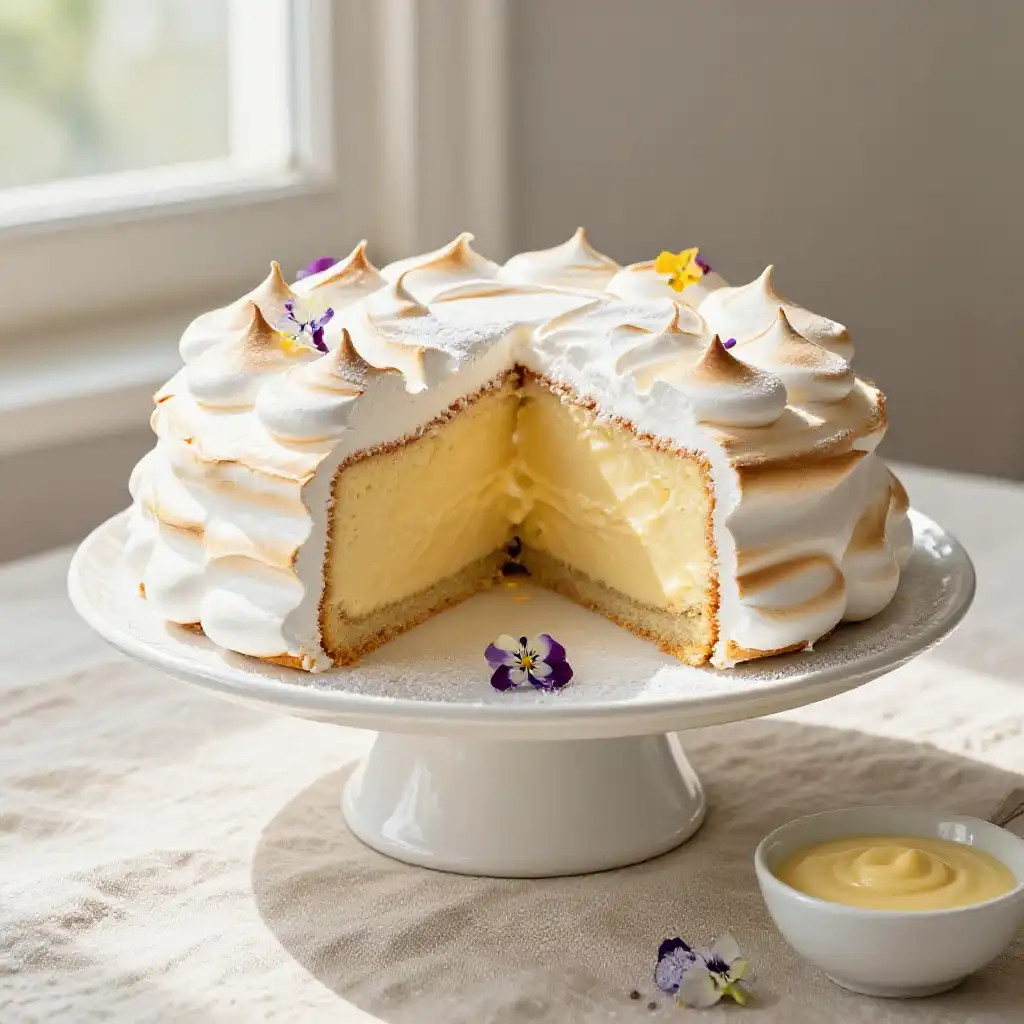
This isn’t your average, crumbly butter cake. This is a spectacle. A showstopper. The beauty of the Brazo de Mercedes lies in its glorious contrast. You get the crackle of the meringue, the pillowy softness of its interior, and then the luxurious, velvety cascade of the custard filling. It’s a dance of textures in your mouth, and it’s completely unforgettable. If you’re looking for other show-stopping desserts, you might want to peek at our collection of [smoothies and drinks](https://indixer.com/category/smoothies-drinks/) for inspiration on pairing, but let’s be real, this cake needs no partner. It’s the main event.
Recommended Product
 -40%
-40%
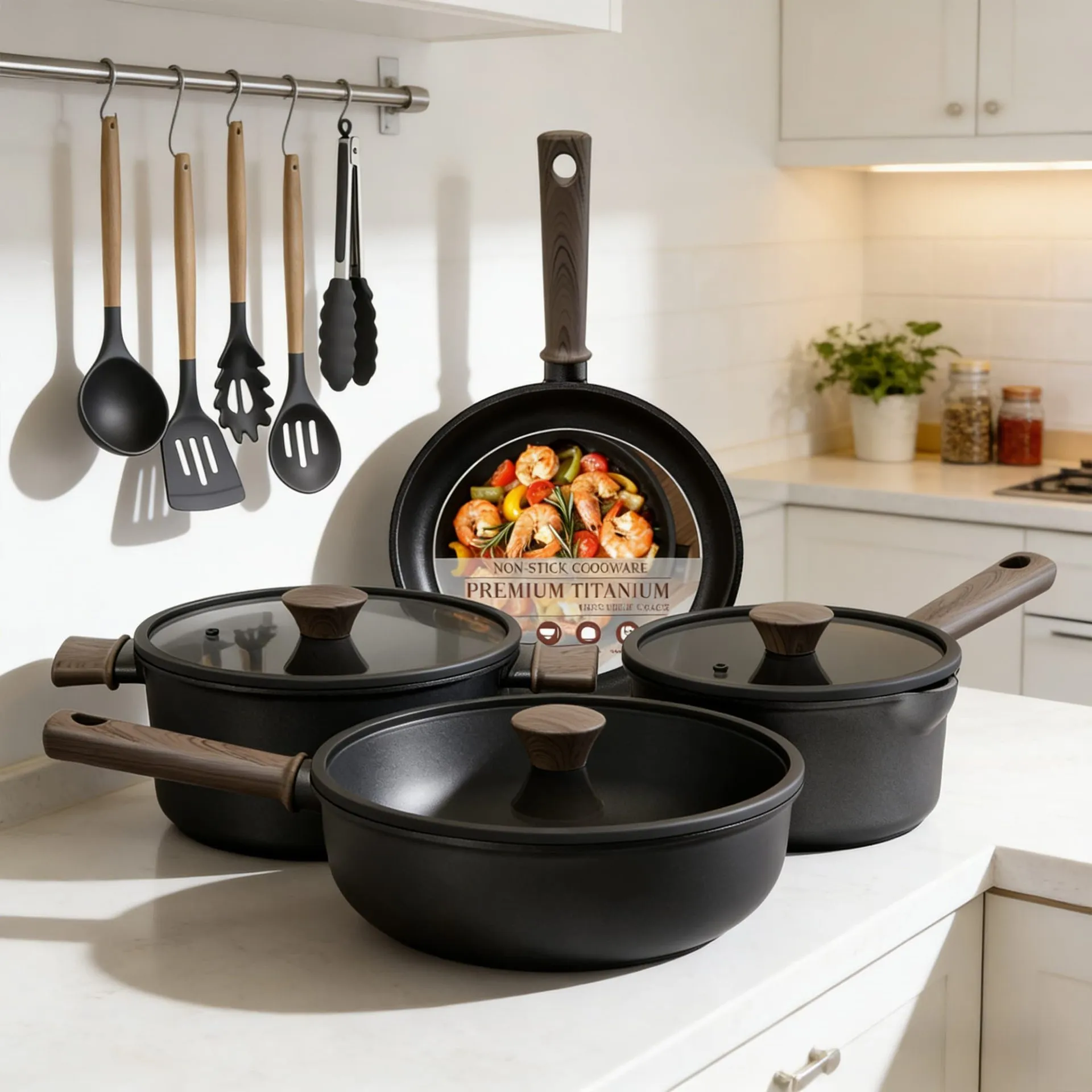
Astercook 21‑Piece Non‑Stick Ceramic Cookware Set with Detachable Handles
- Pieces →: 21‑piece set with pots, pans, lids & accessories
- Handles →: Secure removable/detachable handle system for space saving & oven use
- Non‑Stick Coating →: Premium ceramic non‑stick free of harmful PFOA chemicals for healthier cooking
- Cleanup →: Easy to clean thanks to non‑stick surface and detachable handles
What You Need to Raid From the Pantry
Let’s gather our tools for this culinary adventure. The ingredient list is surprisingly simple, which is the ultimate trick of this dessert. It’s all about technique, not a long list of exotic items.
🍳 Used in this recipe
Get It on Amazon Basics✔ Free Delivery | ✔ Top Rated | ✔ Budget-Friendly* **Egg Whites:** The stars of the show. They need to be fresh and at room temperature for maximum volume. This is non-negotiable.
* **Sugar:** Granulated for the meringue and a bit for the custard. We’re creating sweetness in layers.
* **Cream of Tartar:** The secret weapon for stabilizing our meringue. It’s the unsung hero that prevents weeping and ensures stiff, glossy peaks.
* **Cornstarch:** The thickener for our dreamy custard filling. It gives that perfect, sliceable yet creamy consistency.
* **Whole Milk:** The base of our custard. Full-fat is best for richness.
* **Egg Yolks:** The yolks from our meringue eggs find their glorious purpose here. Nothing goes to waste!
* **Vanilla Extract:** The aromatic soul of the cake. Use the good stuff if you can.
The Science Behind the Cloud: The Meringue Lowdown
Why does this meringue shell hold its shape and not weep all over your custard? It’s all about the protein magic in egg whites. When you whip egg whites, you’re essentially unfolding their proteins and trapping air bubbles. The sugar then stabilizes this structure, creating a glossy, sturdy foam. But why cream of tartar? This acid does two crucial things: it helps denature the proteins for a more stable foam, and it adds a touch of acidity that balances the sweetness. It’s the difference between a floppy, sad meringue and a proud, architectural one. Temperature is key—room temperature whites whip up higher and faster. And for the love of all that is holy, make sure your bowl and whisk are impeccably clean and grease-free. A single drop of fat can ruin the entire batch. It’s a little bit of kitchen chemistry, and it’s absolutely delicious.
Let’s Get Cooking: The Step-by-Step
Alright, apron on? Let’s do this.
🍳 Used in this recipe
Get It on Amazon Basics✔ Free Delivery | ✔ Top Rated | ✔ Budget-FriendlyPart 1: Building the Meringue Foundation
Preheat your oven to 350°F (175°C). Line a 15×10-inch jelly roll pan with parchment paper, letting it overhang the sides for easy removal later. In a spotlessly clean, grease-free bowl, start whipping your room-temperature egg whites with the cream of tartar until they become frothy. Then, with the mixer running, gradually rain in the sugar. Keep whipping until you achieve those glorious, stiff, glossy peaks that stand tall when you lift the whisk. This is the moment of truth! Gently fold in any vanilla or flavorings, then spread the meringue evenly into your prepared pan. Bake for 20-25 minutes, or until the top is a beautiful light golden brown and feels dry and firm to the touch. It will puff up like a proud soufflé.
Part 2: Whipping Up the Creamy Dream Filling
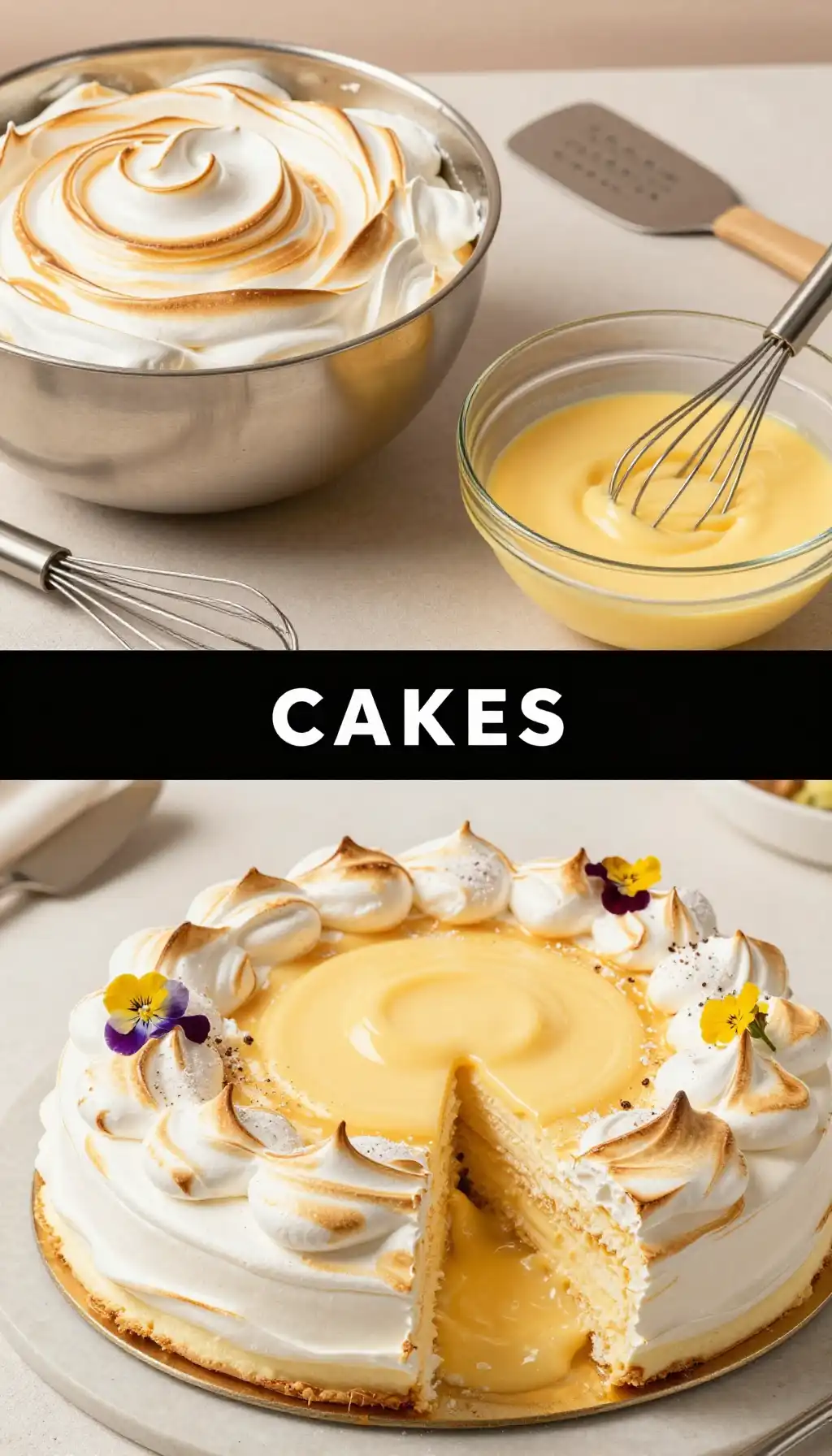
While the meringue is baking, let’s make the heart of this cake. In a saucepan, whisk together your sugar, cornstarch, and a pinch of salt. Slowly stream in the milk, whisking continuously to avoid lumps. Cook over medium heat, stirring constantly, until the mixture thickens and starts to bubble. This is your custard base. Now, for the tempering: in a separate bowl, whisk the egg yolks. Slowly drizzle a cup of the hot milk mixture into the yolks while whisking vigorously. This prevents the yolks from scrambling. Pour the tempered yolk mixture back into the saucepan and cook for another minute or two until it’s thick and pudding-like. Remove from heat and stir in the vanilla. Pour this glorious custard onto a plate, press plastic wrap directly onto the surface to prevent a skin from forming, and let it cool completely. It needs to be cool to the touch before you spread it on the meringue.
Part 3: The Grand Roll-Up
Once the meringue sheet is cool and the custard is set, the magic assembly begins. Carefully invert the meringue sheet onto a clean kitchen towel dusted with powdered sugar. Gently peel off the parchment paper. Spread the cooled custard filling evenly over the surface, leaving a small border around the edges. Now, the roll. Using the towel to help you, start from the short end and roll the meringue up tightly, but gently. Don’t crush it! You’re forming that classic log shape. Once rolled, place it seam-side down on a serving platter. For that final flourish, dust the top generously with powdered sugar. You can even use a kitchen torch to lightly toast the meringue for a gorgeous color and extra crunch.
🍳 Used in this recipe
Get It on Amazon Basics✔ Free Delivery | ✔ Top Rated | ✔ Budget-FriendlyCommon Pitfalls and How to Sidestep Them Like a Pro
Even the best of us can have a meringue mishap. Let’s avoid a dessert tragedy. First, the dreaded “weeping” meringue. This happens when your meringue is under-baked or wasn’t stabilized properly. Ensure you whip it to stiff, glossy peaks and bake it until it’s dry to the touch. Second, a runny custard filling. This is usually due to under-cooking. Your custard should coat the back of a spoon thickly. If you draw a line through it with your finger, it should hold its shape. Be patient and keep stirring! Third, the great cracking. A meringue that’s over-baked can become brittle and crack when you try to roll it. The perfect meringue should be dry but still have a slight give. And finally, the “I can’t roll it!” panic. If your meringue cracks a little, don’t despair! A generous dusting of powdered sugar can hide a multitude of sins, and it will still taste absolutely divine.
Serving Vibes: Setting the Scene
This cake is a chameleon. It’s elegant enough for a holiday table, yet comforting enough for a casual afternoon with tea. Picture this: a rainy afternoon, the windows streaked with water, and you slice a thick piece of this cake. The steam from your coffee mingles with the sweet scent of vanilla. The first crack of the meringue shell, the creamy custard oozing out… it’s pure hygge. But it’s also the star of any party. Bring this to a gathering, and you’ll be a legend. It’s a conversation piece, a beautiful centerpiece that disappears with astonishing speed. It’s a festive favorite for a reason—it feels celebratory, special, and deeply satisfying.
Leftovers? Here’s the Plan
You might not have any, but if you do, storage is simple. Cover the cake loosely with plastic wrap and store it in the refrigerator. The meringue will soften over time, but it will still be delicious for up to 3 days. The custard filling needs to stay cold. Now, for the big question: can you freeze it? The answer is a cautious yes. **How to freeze Filipino Brazo de Mercedes Cake with Meringue and Custard:** Wrap the whole cake or individual slices tightly in plastic wrap, then a layer of foil, and freeze for up to a month. Thaw it overnight in the fridge. The texture of the meringue will change, becoming softer and more marshmallow-like, but the flavor will remain fantastic. It’s a different, but still wonderful, experience.
🍳 Used in this recipe
Get It on Amazon Basics✔ Free Delivery | ✔ Top Rated | ✔ Budget-FriendlyBrazo de Mercedes FAQ: Your Burning Questions, Answered
Can I make this ahead of time?
Absolutely! In fact, it’s better if you do. Assembling the cake a day in advance allows the flavors to meld and the meringue to soften slightly, making it even more luscious. Just hold off on the final dusting of powdered sugar until right before serving.
My meringue is sticky, not glossy. What happened?
You likely added the sugar too quickly or didn’t whip it long enough. Sugar needs time to dissolve into the egg whites. Add it gradually, a tablespoon at a time, and be patient. You should be whipping for a good 5-7 minutes after adding all the sugar.
How many calories are in Filipino Brazo de Mercedes Cake with Meringue and Custard?
While it’s a decadent treat, it’s surprisingly lighter than many cream-filled cakes. A typical slice can range from 250-350 calories, depending on the size and how generous you are with the custard. The meringue is mostly air and sugar, so it doesn’t weigh you down as much as a butter-based frosting.
🍳 Used in this recipe
Get It on Amazon Basics✔ Free Delivery | ✔ Top Rated | ✔ Budget-FriendlyMy custard is lumpy! Can I fix it?
Don’t panic! If you have a few lumps, you can strain the custard through a fine-mesh sieve while it’s still hot. This will catch any cooked egg bits and give you a perfectly smooth filling. To prevent lumps, always whisk your dry ingredients together first and temper your eggs slowly.
Is this cake difficult to make for a beginner?
It looks impressive, but the process is straightforward if you follow the steps. The key is patience and paying attention to the textures—stiff meringue, thick custard. If you’re new to meringue, this is a fantastic recipe to learn with. It’s more forgiving than a soufflé and the reward is massive. Ready to **how to make Filipino Brazo de Mercedes Cake with Meringue and Custard** your new signature dessert? This **easy Filipino Brazo de Mercedes Cake with Meringue and Custard** recipe is your ticket.
Filipino Brazo de Mercedes Cake with Meringue and Custard

Ingredients
Ingredients
- 6 large egg yolks for custard filling
- 1 cup granulated sugar divided for custard and meringue
- 1/4 cup cornstarch for custard thickening
- 2 cups whole milk for custard base
- 1 tsp vanilla extract for custard flavor
- 6 large egg whites for meringue shell
- 1/2 tsp cream of tartar for meringue stability
- 1 cup powdered sugar for dusting and meringue
- 1 tbsp butter for greasing pan, optional