
The first time I tried a Pu Erh Fermented Tea Latte, I almost spat it out. Not because it was bad—but because it was so unexpectedly complex. One sip delivered a deep, earthy aroma that reminded me of damp forest soil after rain, followed by a smooth, velvety finish that wrapped around my tongue like a warm blanket. This isn’t your average milk tea. This is an experience—one that bridges ancient Chinese tea traditions with modern café comfort.
The magic of this latte lies in its star ingredient: aged pu erh tea. Unlike green or black teas, pu erh undergoes a natural fermentation process that can last anywhere from a few months to several decades. The result? A tea with layers of flavor—woodsy, slightly sweet, and undeniably grounding. When paired with steamed milk and a drizzle of honey, it transforms into a drink that’s both energizing and deeply soothing. Perfect for slow mornings, rainy afternoons, or anytime you need a moment of calm.
Recommended Product
 -40%
-40%
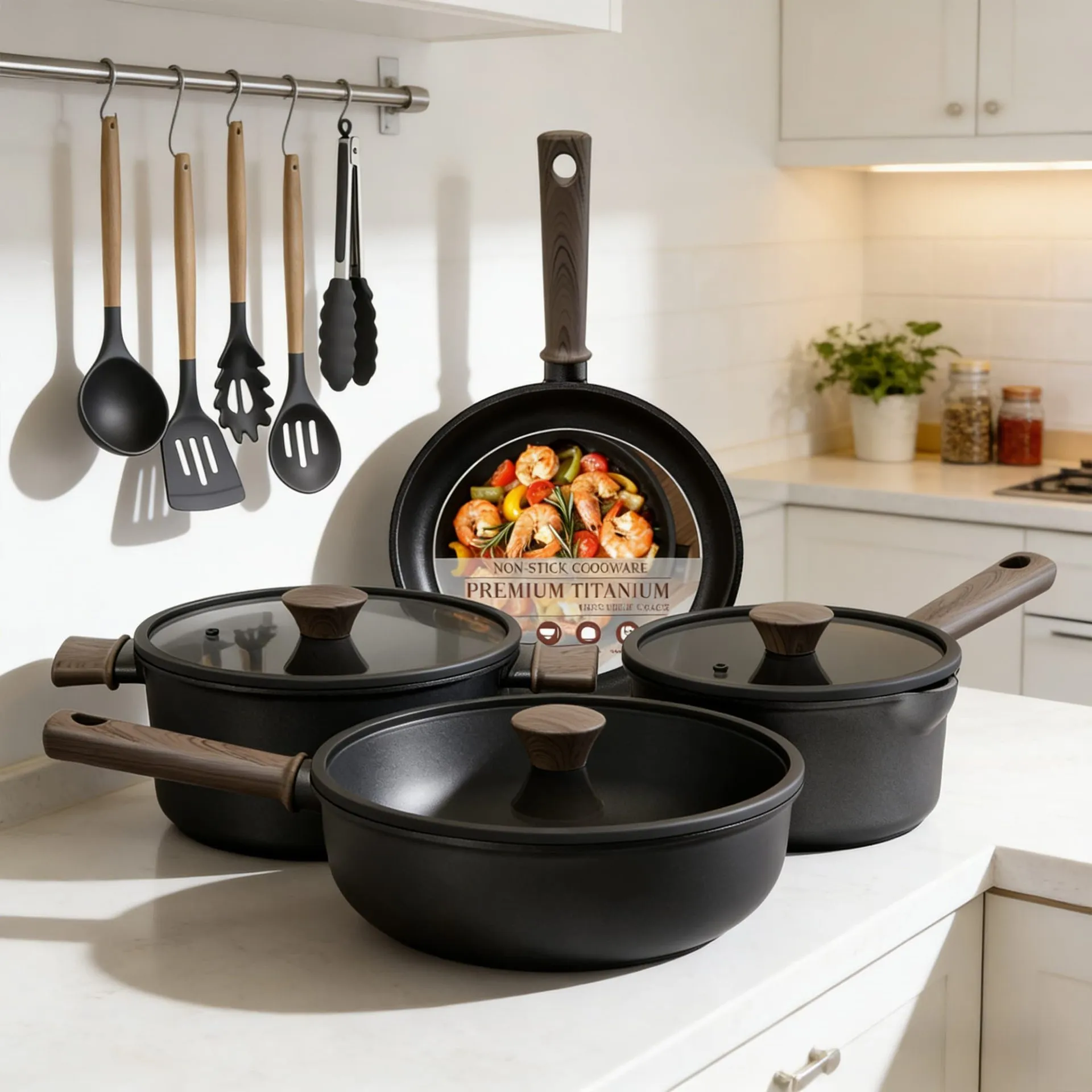
Astercook 21‑Piece Non‑Stick Ceramic Cookware Set with Detachable Handles
- Pieces →: 21‑piece set with pots, pans, lids & accessories
- Handles →: Secure removable/detachable handle system for space saving & oven use
- Non‑Stick Coating →: Premium ceramic non‑stick free of harmful PFOA chemicals for healthier cooking
- Cleanup →: Easy to clean thanks to non‑stick surface and detachable handles
What You Need to Raid From the Pantry
🍳 Used in this recipe
Get It on Amazon Basics✔ Free Delivery | ✔ Top Rated | ✔ Budget-FriendlyBefore we get brewing, let’s talk ingredients. You don’t need much, but quality matters here. Start with a good chunk of aged pu erh tea—loose leaf is ideal, but tea cakes work too. You’ll also need your milk of choice (dairy, oat, almond—they all play nice), a touch of honey or maple syrup, and optionally, a pinch of cinnamon or vanilla for extra warmth. The beauty of this recipe is its simplicity. No fancy equipment required, just a teapot, a strainer, and a mug you love.
The Secret Behind the Earthy Magic
Here’s where things get interesting. Pu erh tea isn’t just aged—it’s alive with microbes. During fermentation, beneficial bacteria and fungi break down the tea’s compounds, creating unique flavors and aromas that evolve over time. This microbial activity is why pu erh can taste so different from batch to batch, and why some aged varieties are prized like fine wine. The fermentation also boosts the tea’s antioxidant content and gives it a natural umami depth that’s hard to find elsewhere. When you steep it for your latte, you’re not just making tea—you’re unlocking centuries of tradition in a single cup.
🍳 Used in this recipe
Get It on Amazon Basics✔ Free Delivery | ✔ Top Rated | ✔ Budget-FriendlyLet’s Get Brewing
Start by breaking off a small piece of pu erh tea—about 1-2 teaspoons if loose, or a chunk the size of a quarter if from a cake. Rinse it quickly with hot water (just a few seconds), then discard that water. This “wakes up” the leaves and removes any dust. Now, steep the tea in freshly boiled water for 3-5 minutes. While it’s brewing, gently heat your milk until steaming but not boiling. Strain the tea into your mug, stir in your sweetener, then pour in the milk. If you’re feeling fancy, use a milk frother for that café-style foam. Take a moment to inhale the aroma before your first sip—it’s part of the ritual.
Common Mistakes That Ruin the Vibe
🍳 Used in this recipe
Get It on Amazon Basics✔ Free Delivery | ✔ Top Rated | ✔ Budget-FriendlyLet’s avoid the pitfalls, shall we? First, don’t oversteep the tea. Pu erh is robust, but too long and it turns bitter—think of it like cooking pasta; you want al dente, not mush. Second, don’t scorch the milk. High heat kills the creamy texture and can make it taste flat. Third, resist the urge to add too much sweetener. Pu erh’s earthy notes shine best when balanced, not buried. And finally, don’t skip the rinse step. It’s the difference between a good latte and a great one.
The Perfect Moment for This Drink
This latte thrives in moments of quiet intention. Picture this: a rainy Saturday morning, a soft blanket, and a book you’ve been meaning to read. Or maybe it’s your mid-afternoon reset, when caffeine is needed but coffee feels too harsh. It’s also a stellar companion to buttery pastries or a slice of mild cheesecake. The tea’s earthiness cuts through richness beautifully. Serve it in a clear glass mug if you want to admire the layers, or a ceramic cup if you’re all about the cozy factor.
🍳 Used in this recipe
Get It on Amazon Basics✔ Free Delivery | ✔ Top Rated | ✔ Budget-FriendlyYour Burning Questions, Answered
How to make Pu Erh Fermented Tea Latte extra creamy? Use full-fat milk or add a splash of heavy cream. Oat milk also froths beautifully for a dairy-free option.
Can I reuse pu erh tea leaves? Absolutely. High-quality pu erh can be steeped multiple times, with each infusion revealing new flavors. Just extend the steeping time slightly with each reuse.
🍳 Used in this recipe
Get It on Amazon Basics✔ Free Delivery | ✔ Top Rated | ✔ Budget-FriendlyCalories in Pu Erh Fermented Tea Latte? Without sweetener, it’s around 80-100 calories (depending on milk choice). Add honey or syrup, and it goes up to about 120-150.
How to store leftover pu erh tea? Keep it in an airtight container away from light and moisture. If you have leftover brewed tea, refrigerate for up to 2 days and reheat gently.
Is this drink caffeinated? Yes, pu erh contains caffeine, though often less than coffee. A standard latte has roughly 30-50mg, depending on steep time.
🍳 Used in this recipe
Get It on Amazon Basics✔ Free Delivery | ✔ Top Rated | ✔ Budget-FriendlyA Final Sip
There’s something undeniably grounding about a Pu Erh Fermented Tea Latte. It’s not just a drink—it’s a slow-down moment, a taste of history, and a gentle nudge to be present. Whether you’re new to pu erh or a longtime fan, this latte is an invitation to explore tea in a whole new way. So go ahead, take that first sip. Let the earthiness settle in, and enjoy the quiet complexity of a cup well made.
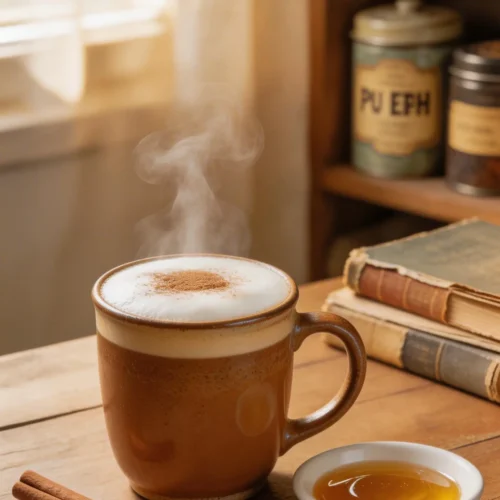
Pu Erh Fermented Tea Latte

Ingredients
Ingredients
- 2 tbsp pu erh tea leaves or 2 pu erh tea bags
- 2 cups water
- 1 cup whole milk or milk alternative
- 1 tbsp honey or to taste
- 1 pinch cinnamon optional garnish