The Great Shortbread Heist: A Crumbly, Buttery Story
I remember the first time I had *real* shortbread. It wasn’t from a fancy bakery or a high-end tea shop. It was in a dusty little kitchen in the Highlands, where the air smelled of rain, peat, and something unbelievably rich. My grandmother placed a simple, pale round on a chipped plate. It looked unassuming, almost plain. But the moment I took a bite, the world tilted on its axis.
There was no dramatic crunch. It was a silent, sandy surrender. The biscuit simply dissolved, leaving a tidal wave of butter and a whisper of sweet vanilla. That, my friends, is the magic we’re chasing today. We’re not just baking cookies; we’re capturing a feeling. We’re making **Scottish Shortbread Rounds with Vanilla**.
Recommended Product
 -40%
-40%
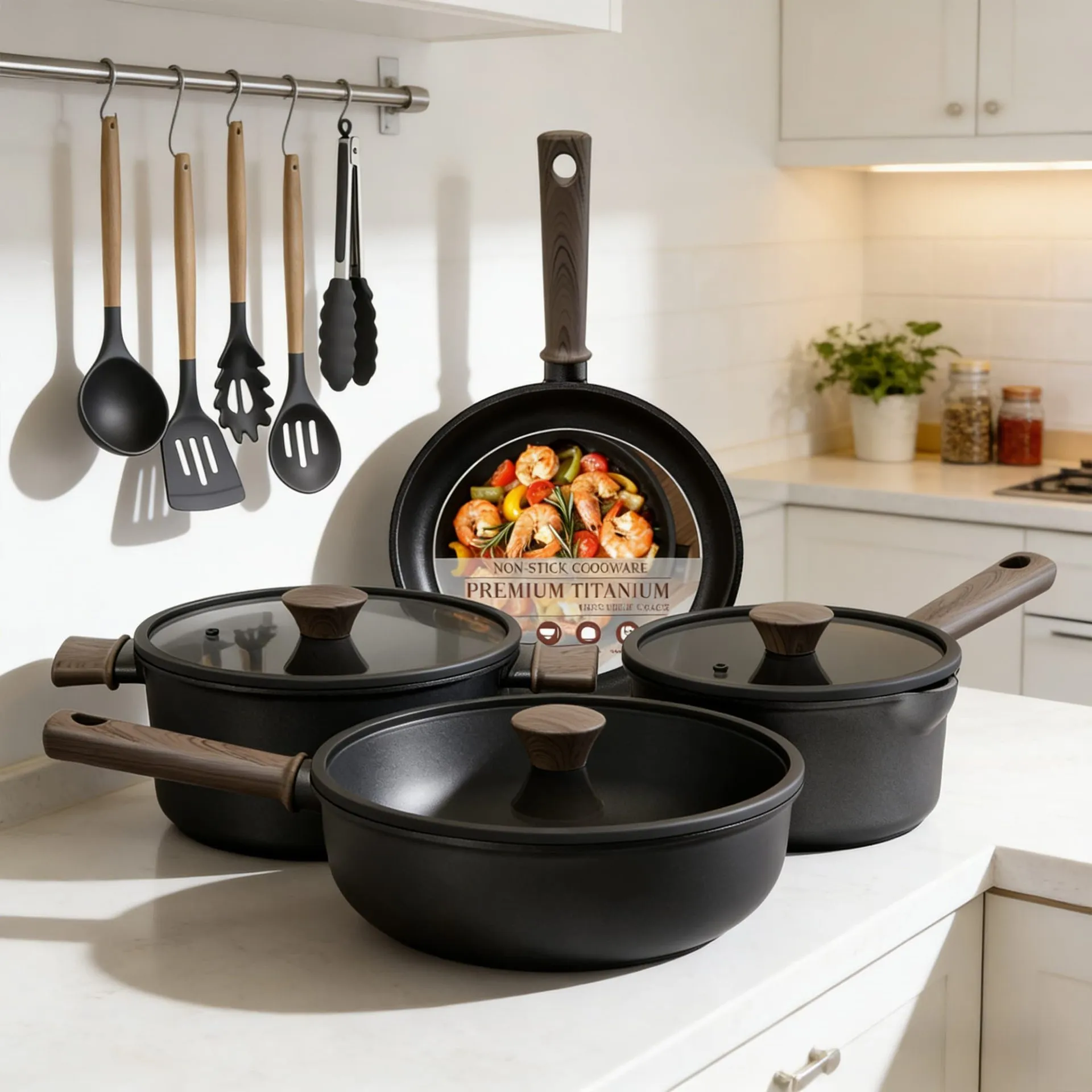
Astercook 21‑Piece Non‑Stick Ceramic Cookware Set with Detachable Handles
- Pieces →: 21‑piece set with pots, pans, lids & accessories
- Handles →: Secure removable/detachable handle system for space saving & oven use
- Non‑Stick Coating →: Premium ceramic non‑stick free of harmful PFOA chemicals for healthier cooking
- Cleanup →: Easy to clean thanks to non‑stick surface and detachable handles
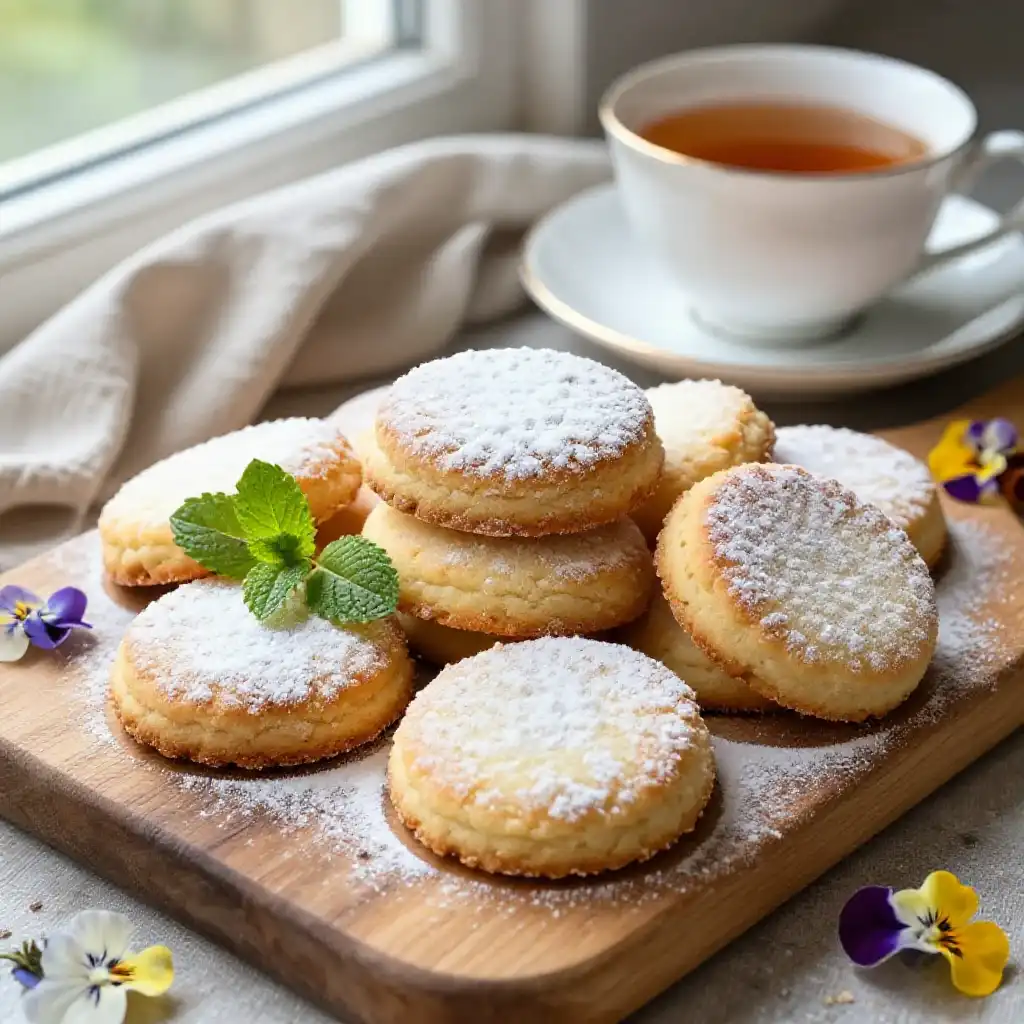
The Three-Ingredient Symphony (and Why It Works)
Most recipes will try to complicate things. They’ll suggest an egg for binding, a pinch of salt for balance, or a splash of something fancy. We’re not doing that. The soul of this recipe, the very thing that makes it a legend, is its glorious simplicity. This is the holy trinity of baking, a trio that performs better together than any boy band from the 90s.
🍳 Used in this recipe
Get It on Amazon Basics✔ Free Delivery | ✔ Top Rated | ✔ Budget-FriendlyThe magic is in the ratios. It’s a delicate dance where flour provides the structure, sugar brings the sweetness and that delightful, sandy texture, and butter… oh, the butter… it’s the star, the headliner, the entire event. When you get these three in perfect harmony, you get a treat that is sturdy enough to dunk but tender enough to melt on your tongue. This is the kind of treat that feels like a hug from the inside, a perfect companion to a hot cup of tea on a dreary afternoon. If you’re looking for other comforting bakes, you can find more great ideas on the blog right here.
A Little Butter Education (The Secret Weapon)
Let’s get nerdy for a second, because understanding your butter is the difference between good shortbread and legendary shortbread. The key isn’t just that it’s butter; it’s the *temperature* and the *quality*.
When you first start mixing, your butter and sugar need to be best friends. You want to cream them together until they’re light, fluffy, and almost pale. This process, called aeration, is forcing tiny air bubbles into the fat. Those bubbles are what will give your shortbread a little lift and a more delicate crumb. Think of it as giving your shortbread lungs.
🍳 Used in this recipe
Get It on Amazon Basics✔ Free Delivery | ✔ Top Rated | ✔ Budget-FriendlyBut here’s the plot twist: once the flour is introduced, you want to stop. The goal is to coat the flour particles in fat, not to build a gluten network. This is why you should never, ever overmix. You’re aiming for a texture that resembles damp sand. This “sandy” texture is the hallmark of authentic Scottish shortbread. It’s the promise of that melt-in-your-mouth experience. And for the love of all that is holy, use **high-quality, high-fat European-style butter**. The flavor is just incomparable, and that’s the whole point.
The Shortbread Sabotage: How NOT to Mess This Up
Even the simplest recipes have their traps. I’ve seen strong bakers brought to their knees by a crumbly log of dough. Here are the most common ways this delicious mission can go sideways.
**The Over-Flouring Fiasco:** Your dough feels sticky, so you add more flour. I get it. It feels logical. But you’re signing its death warrant. Every extra scoop of flour makes the shortbread tougher and less buttery. If it’s sticky, pop it in the fridge for 15 minutes. Let the butter firm up, not the flour content increase. Cold dough is your friend.
🍳 Used in this recipe
Get It on Amazon Basics✔ Free Delivery | ✔ Top Rated | ✔ Budget-Friendly**The Dough That Ran Away:** If your shortbread rounds are spreading into thin, sad puddles in the oven, your butter was too soft. It should be cool to the touch, pliable but not greasy. You’re aiming for a “plastic” consistency, not a “melting” one. Alternatively, your oven might not be hot enough to give it that initial “shock” that sets the shape.
**The Soggy Bottom:** You take them out, and they’re still pale and soft in the middle. The problem? Impatience. The secret to a perfect golden brown top and a fully baked interior is a two-stage bake. We’ll get to the specifics, but trust me: a lower temperature for longer is the key.
Let’s Get Cooking: The Step-by-Step
Ready to become a shortbread legend? Here’s how we make the magic happen. Don’t be intimidated by the “docking” or the “pricking”—it’s all part of the fun.
🍳 Used in this recipe
Get It on Amazon Basics✔ Free Delivery | ✔ Top Rated | ✔ Budget-Friendly**What You Need to Raid From the Pantry:**
* 1 cup (227g) unsalted butter, softened but cool
* 1/2 cup (100g) granulated sugar, plus 2 tablespoons for sprinkling
* 2 cups (240g) all-purpose flour
**The Method:**
1. **Cream & Dream:** In the bowl of a stand mixer fitted with the paddle attachment (or a large bowl with a hand mixer), beat the butter and the 1/2 cup of sugar on medium-high speed for a good 3-5 minutes. You want it pale, fluffy, and almost like a soft frosting. Scrape down the sides of the bowl a couple of times. Your kitchen should start to smell incredible right about now.
🍳 Used in this recipe
Get It on Amazon Basics✔ Free Delivery | ✔ Top Rated | ✔ Budget-Friendly2. **The Gentle Union:** Turn the mixer down to low. Gradually add the flour, about a half-cup at a time. Let it mix until it just disappears. This is the crucial part—**do not overmix!** The moment the last streak of white is gone, stop the machine. The dough will look crumbly, but if you pinch it, it should hold together.
3. **Shape & Chill:** Dump the crumbly dough onto a clean surface and gently, without a lot of kneading, press it together into a ball. Divide it in half. Roll each half into a log about 1.5 inches in diameter. Wrap these logs tightly in plastic wrap and chill them in the refrigerator for at least 30 minutes. This solidifies the butter, which is essential for keeping our shape.
4. **The Pre-Bake Prep:** Preheat your oven to 350°F (175°C). Line a baking sheet with parchment paper. Unwrap your chilled dough logs and slice them into 1/2-inch thick rounds. Place them on the baking sheet, giving them a little breathing room. Now, for the signature move: take a fork and “dock” them. Prick the tops in a decorative pattern. This isn’t just for looks; it allows steam to escape so they bake flat and even, preventing them from puffing up like little pillows.
🍳 Used in this recipe
Get It on Amazon Basics✔ Free Delivery | ✔ Top Rated | ✔ Budget-Friendly5. **The Two-Stage Bake:** Bake for 12-15 minutes. You’re looking for the edges to be just barely starting to turn a very light golden brown. They will still look pale and soft in the center. Now, turn the oven off. Yes, you read that right. Leave the shortbread inside the cooling oven for another 10-15 minutes. This gently cooks the centers without browning the bottoms too much. It’s the secret to that perfect, even, pale-golden color.
6. **The Grand Finale:** Carefully remove the baking sheet from the oven. While they are still warm, sprinkle the remaining 2 tablespoons of sugar over the tops. Let them cool on the pan for 5 minutes before transferring them to a wire rack to cool completely. They will firm up as they cool. Patience is a virtue!
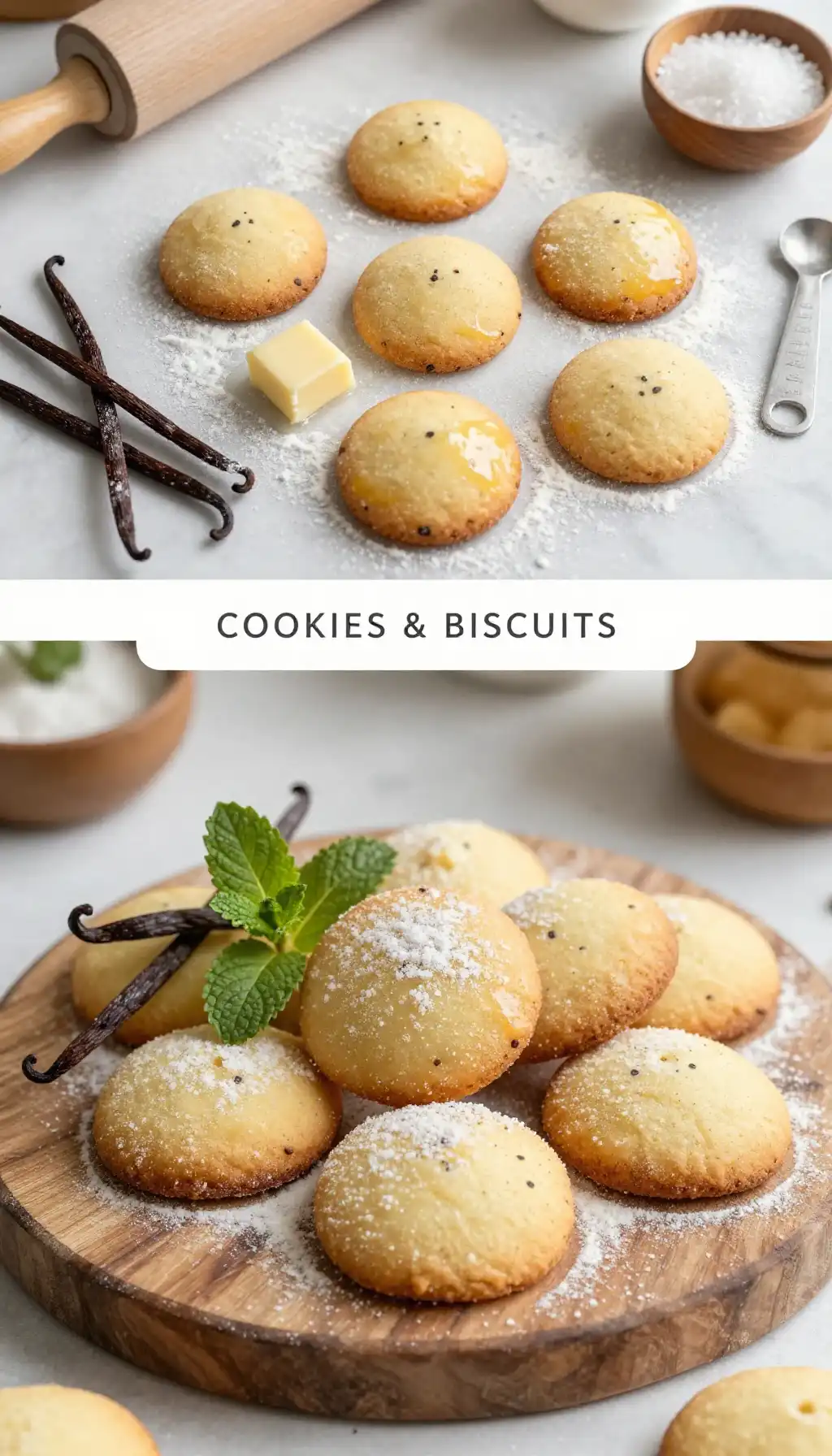
The Perfect Ambiance: Serving Your Masterpiece
So, what’s the perfect scene for enjoying these rounds of bliss? Picture this: it’s a gray, drizzly afternoon. You’ve got a steaming mug of tea or a strong black coffee. You’ve got a book. And on a plate next to you sits a stack of these golden shortbread rounds. The rain is tapping against the window, but you’re warm and cozy.
🍳 Used in this recipe
Get It on Amazon Basics✔ Free Delivery | ✔ Top Rated | ✔ Budget-FriendlyThis isn’t a party finger food. This is a treat for quiet moments, for sharing with one or two people you really like. It’s sophisticated in its simplicity. It pairs beautifully with fruit jams (a little raspberry jam is divine) or simply on its own. For a different kind of pairing, a creamy fruit smoothie can be a surprisingly delicious companion; you can find some fantastic smoothie recipes for inspiration over here. But honestly, all you really need is the shortbread and a quiet moment.
Shortbread Secrets & Solutions (The FAQ)
People always have questions about this classic bake. Here are the answers to the most common queries, so you can bake with confidence.
How to freeze Scottish Shortbread Rounds with Vanilla?
This is a fantastic make-ahead move! You have two options. You can freeze the dough logs, tightly wrapped in plastic and then in a freezer bag, for up to 3 months. When you’re ready to bake, just thaw the logs in the fridge overnight, slice, and bake as directed. Alternatively, you can freeze the baked and cooled shortbread rounds. Layer them between sheets of parchment paper in an airtight container. They’ll keep for a month. Just let them come to room temperature before serving.
🍳 Used in this recipe
Get It on Amazon Basics✔ Free Delivery | ✔ Top Rated | ✔ Budget-FriendlyWhat’s the calorie count in Scottish Shortbread Rounds with Vanilla?
Let’s be honest: shortbread is a “treat,” not a “health food.” It’s made of butter and sugar, and it’s glorious. A single round (if you cut the log into 24 pieces) is roughly 120-140 calories. The exact number depends on the size of your rounds and the specific butter you use. Our philosophy? Savor every single crumb and don’t you dare feel guilty about it.
Why is my shortbread tough instead of crumbly?
You probably overworked the dough. When you add the flour, you’re just meant to bring it together. The more you knead and mix, the more gluten you develop. Gluten is great for chewy bread, but it’s the arch-nemesis of tender shortbread. Mix only until the flour is incorporated, and your shortbread will be tender as a dream.
Can I use salted butter?
You can, but I wouldn’t recommend it. Shortbread is all about the sweet, pure flavor of butter. Salted butter contains, well, salt, and that can slightly throw off the delicate balance. If it’s all you have, reduce any added salt in the recipe (though this one has none) or just proceed and enjoy the hint of saltiness. Unsalted gives you total control.
🍳 Used in this recipe
Get It on Amazon Basics✔ Free Delivery | ✔ Top Rated | ✔ Budget-FriendlyMy shortbread is pale and tastes floury. What happened?
Two potential culprits. First, you might have used too much flour. Be sure to spoon and level your flour into the measuring cup, don’t scoop it directly from the bag! Second, you may have underbaked them. Remember that trick of leaving them in the cooling oven? That’s crucial for developing that toasty, cooked-through flavor without burning them.
Scottish Shortbread Rounds with Vanilla

Ingredients
Ingredients
- 1 cup unsalted butter softened to room temperature
- 1/2 cup granulated sugar plus extra for sprinkling
- 2 cups all-purpose flour sifted
- 1 tsp vanilla extract pure vanilla recommended
- 1/4 tsp salt fine sea salt