
Let me tell you about the first time I had Moroccan mint tea. It wasn’t in some fancy restaurant or touristy café. It was in a tiny Berber home in the Atlas Mountains, where a grandmother poured steaming amber liquid from a height that would make a barista weep. The steam carried the scent of fresh mint and something sweet, wrapping around me like a warm blanket. That first sip? It was like drinking liquid sunshine—sweet, aromatic, and utterly transporting.
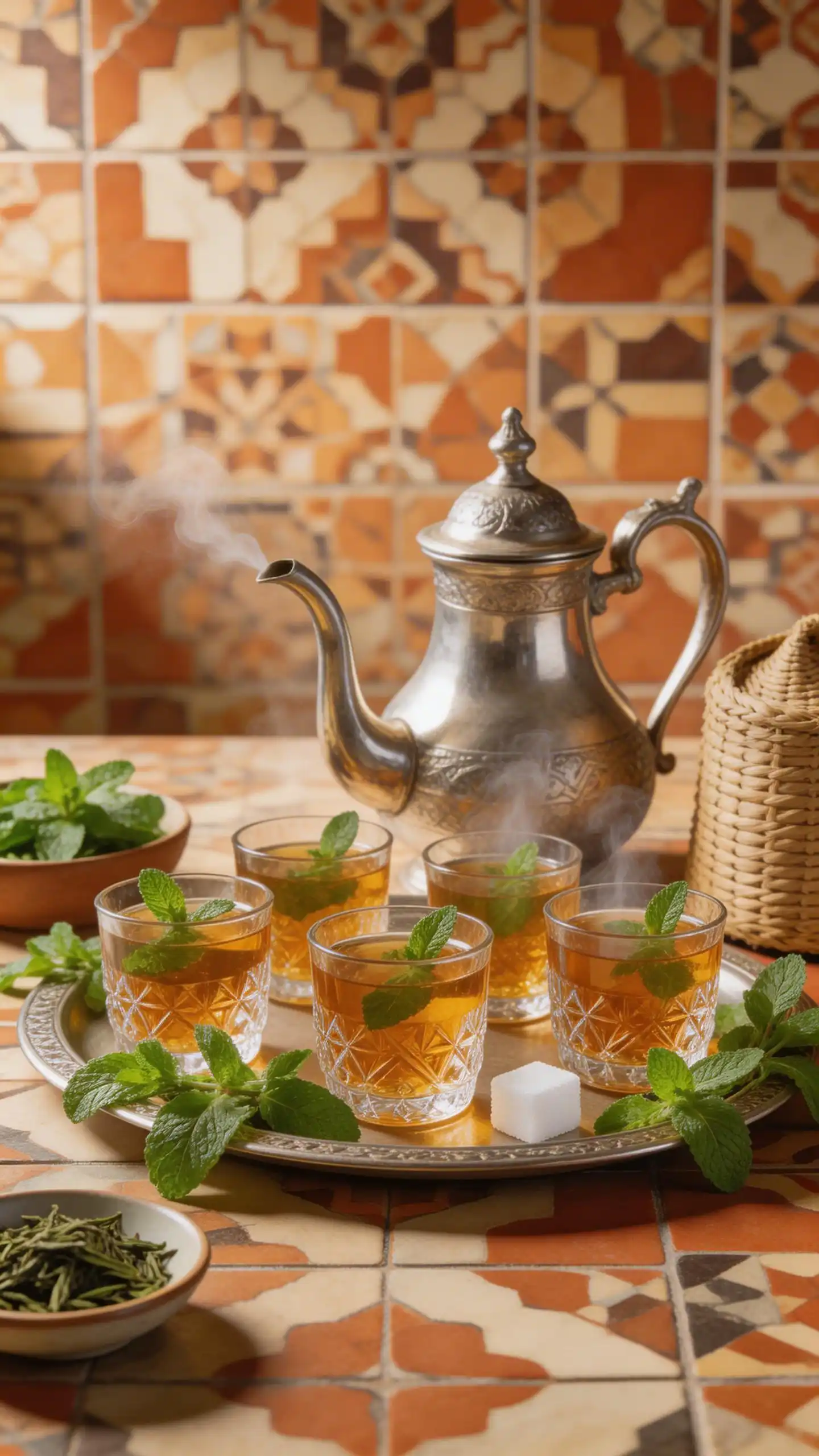
This isn’t just tea. It’s a ritual, a gesture of hospitality that’s been passed down for generations. The Moroccans call it Atay, and it’s more than a drink—it’s a way of saying, “You’re welcome here.” The vibrant green flecks floating in the amber liquid, the way the steam curls invitingly from the glass, the clink of the tiny cups… it’s a full sensory experience.
What makes this recipe rock isn’t just the ingredients (though they’re perfect). It’s the technique. The way you pour from high above to create that signature froth. The balance of sweetness that doesn’t overwhelm but complements the mint’s freshness. And that moment when you lift the glass to your lips and the aroma hits you before the first drop touches your tongue? Pure magic.
Now, let’s talk about the secret weapon: fresh mint. Not the dried stuff in a jar. Not mint extract. Real, vibrant, fragrant mint leaves. Here’s the science bit: mint contains menthol, which triggers cold-sensitive receptors in your mouth. That’s why it feels cool even when the tea is hot. It’s also packed with antioxidants and can aid digestion. But honestly? The real reason we use it is because it tastes incredible.
When you steep those leaves in the strong, robust tea base, you’re creating a chemical dance. The hot water extracts the essential oils from the mint, while the sugar (yes, there’s sugar—this isn’t a time for calorie counting) helps carry those flavors across your palate. The result is a drink that’s simultaneously warming and cooling, sweet and refreshing.
Look, I’m not going to sugarcoat it (well, actually, I am, but you know what I mean). There are ways to mess this up. Using stale mint is the cardinal sin. If your mint smells like nothing, your tea will taste like nothing. Another classic error? Not letting the tea steep long enough. This isn’t a quick dunk-and-go situation. The flavors need time to develop, to mingle and marry.
And please, for the love of all that’s holy, don’t skimp on the pouring technique. Yes, it looks fancy. Yes, you might spill a little at first. But that aeration is crucial—it’s what gives the tea its characteristic lightness and helps distribute the flavors evenly. Think of it as the tea’s way of taking a deep breath before it meets your lips.
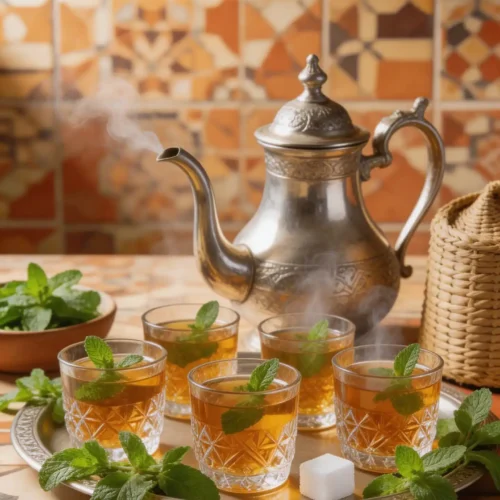
Picture this: You’re sitting on a sun-warmed terrace, maybe in Marrakech or maybe just in your backyard pretending you’re in Marrakech. The afternoon heat is starting to mellow, and you’ve got a tray with a silver teapot and tiny glasses. You pour, the liquid catching the golden light, and pass them around. There’s conversation, maybe some soft music in the background, and that tea becomes the centerpiece of a perfect moment.
This is the kind of drink that turns strangers into friends, that makes a simple afternoon feel like a celebration. It’s not just for special occasions—though it shines there too. It’s for those everyday moments when you want to pause, to savor, to connect. Whether you’re hosting guests or treating yourself, Moroccan mint tea brings a little ceremony to the ordinary.
Let’s get real for a second. You’re going to have questions. Here are the ones I get asked most often:
**How to freeze Moroccan Mint Atay Tea?**
Honestly? Don’t. This tea is meant to be enjoyed fresh. The mint loses its vibrancy when frozen, and you’ll lose that characteristic aroma. If you must make ahead, prepare the base tea and refrigerate for up to 2 days, adding fresh mint just before serving.
**Calories in Moroccan Mint Atay Tea?**
A traditional serving runs about 80-100 calories, mostly from sugar. But here’s the thing—this isn’t meant to be a “healthy” drink. It’s a cultural experience. That said, you can absolutely adjust the sweetness to your preference.
**Can I use dried mint instead of fresh?**
You can, but why would you want to? Fresh mint gives you that bright, essential flavor that defines this tea. If fresh isn’t available, consider using mint tea bags as a last resort, though the flavor profile will be different.
**What’s the best tea to use as a base?**
Chinese green tea (Gunpowder is traditional) works beautifully because it’s robust enough to stand up to the mint and sugar. You want something with character—delicate white teas will get lost in the mix.
Now that you’re properly obsessed (I can tell), let’s get to the good stuff. Here’s what you’ll need to create this magic in your own kitchen:
[Recipe content would follow here, with the second image inserted at an appropriate point for Pinterest sharing]
Moroccan Mint Atay Tea

Ingredients
Ingredients
- 4 cups water filtered or spring water preferred
- 2 tbsp green tea leaves Chinese gunpowder tea recommended
- 1 cup fresh mint leaves spearmint or Moroccan nana mint
- 4 tbsp sugar or to taste, adjust for sweetness preference