The Spice Aroma That Stops Time
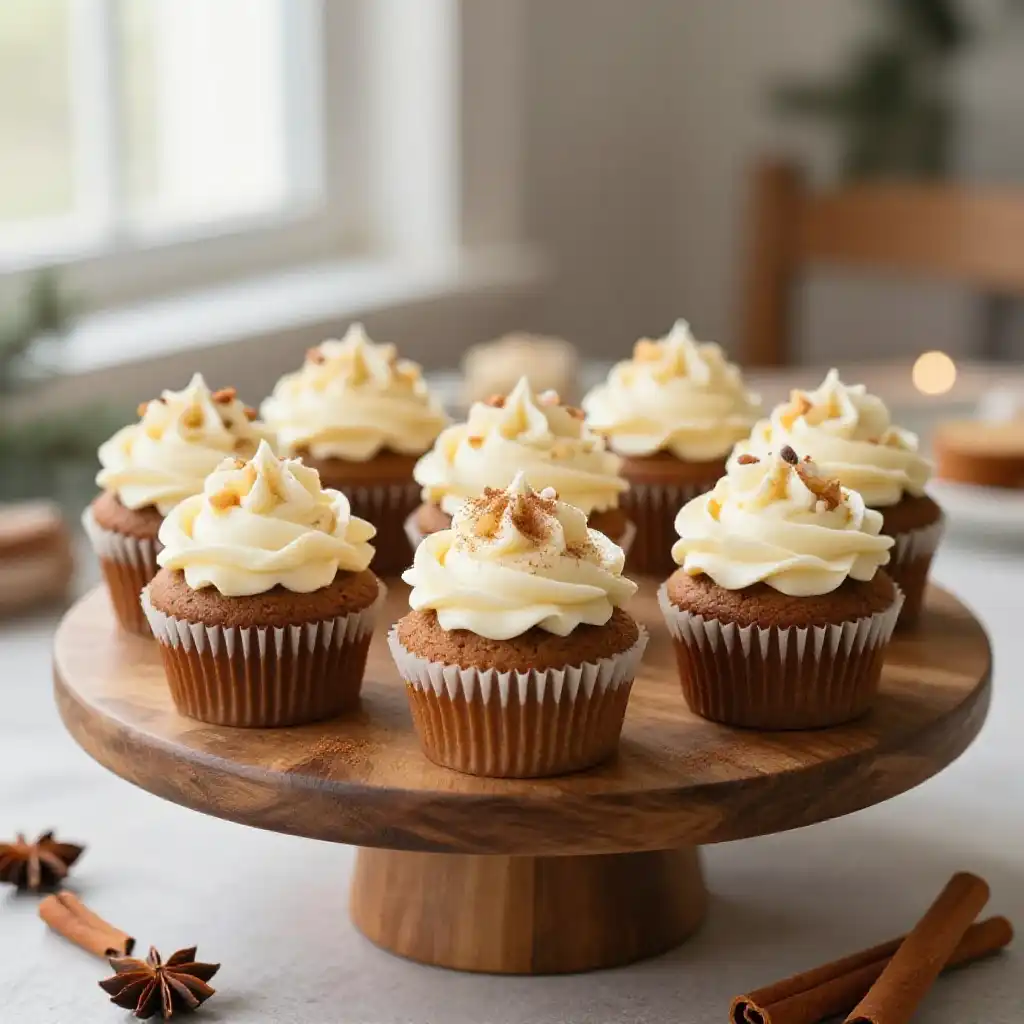
There’s a specific moment in my kitchen every year when the air changes. It’s not just baking; it’s an olfactory hug. You open the oven door to check on a batch of muffins, and instead of just heat, you get hit with a wave of ginger, cinnamon, and molasses so deep it smells like brown sugar had a baby with a spicy ember. That is the magic of **Gingerbread Cupcakes with Cream Cheese Frosting**. It’s the scent of cozy sweaters, crackling fireplaces, and the undeniable anticipation of a sweet treat.
I remember the first time I tried to make these from scratch. I wanted something that wasn’t dry like a desert floor or overly sweet like a candy shop. I wanted that perfect bounce, that moist crumb that practically melts, topped with a tangy cloud that cuts through the spice. This recipe isn’t just about baking; it’s about capturing a feeling. It’s the kind of dessert that makes you close your eyes on the first bite.
Recommended Product
 -40%
-40%
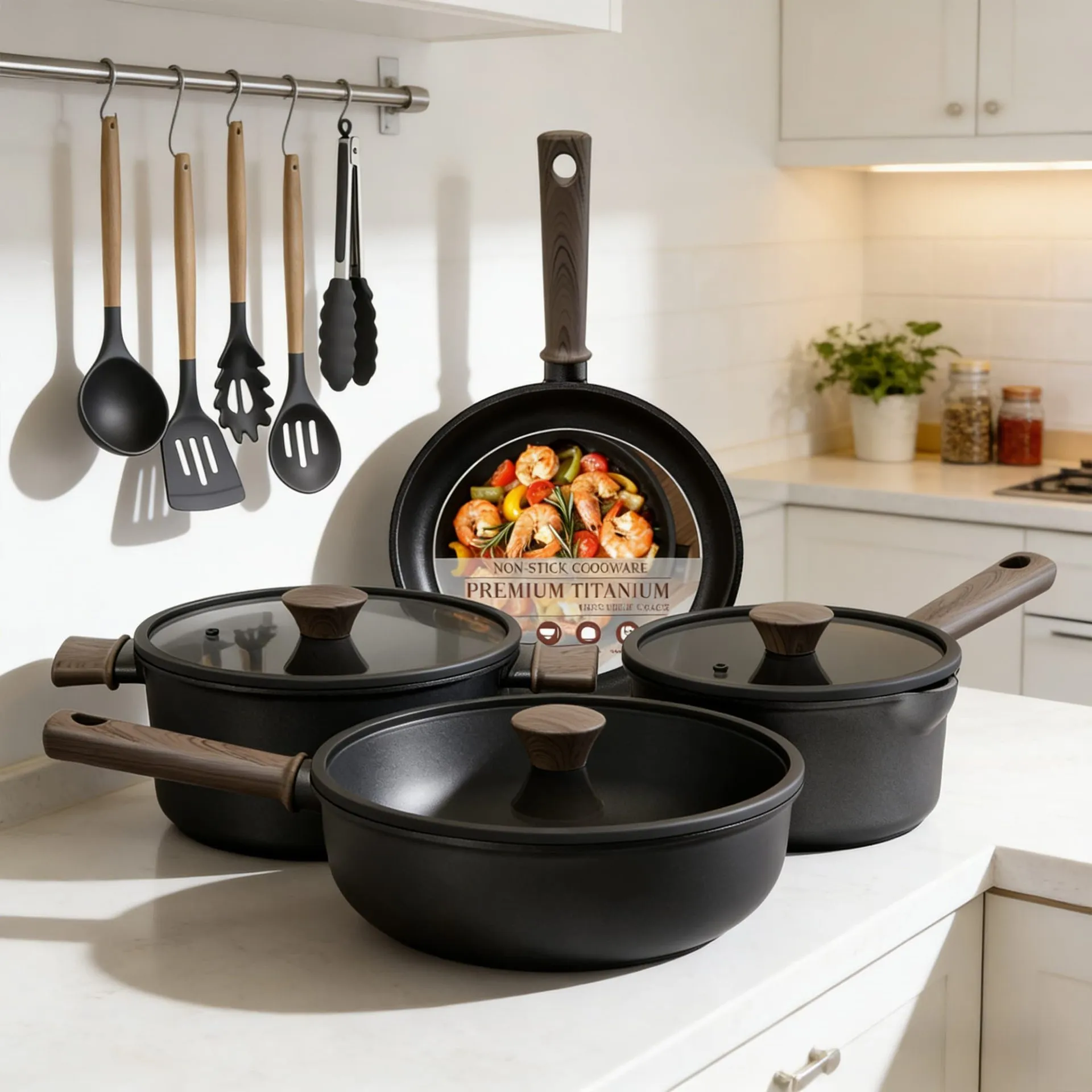
Astercook 21‑Piece Non‑Stick Ceramic Cookware Set with Detachable Handles
- Pieces →: 21‑piece set with pots, pans, lids & accessories
- Handles →: Secure removable/detachable handle system for space saving & oven use
- Non‑Stick Coating →: Premium ceramic non‑stick free of harmful PFOA chemicals for healthier cooking
- Cleanup →: Easy to clean thanks to non‑stick surface and detachable handles
The Science of the Sticky Nectar
Let’s talk about the heavyweight champion of this recipe: **molasses**. Why do we use it instead of just white sugar? Because molasses is the soul of gingerbread. It’s the byproduct of refining sugar cane, essentially the syrup left behind after the crystals are extracted.
🍳 Used in this recipe
Get It on Amazon Basics✔ Free Delivery | ✔ Top Rated | ✔ Budget-FriendlyBut here’s the kitchen chemistry that makes your cupcakes incredible: molasses is **hygroscopic**. That’s a fancy way of saying it actively hunts down water molecules and holds onto them for dear life. While white sugar can sometimes dry out a baked good if used alone, molasses ensures your cupcake stays moist and tender for days. It also adds that dark, almost black color and a complex, slightly bitter sweetness that balances the sharp heat of the ginger.
Plus, that steam you see rising from the cupcake tin? That’s the moisture evaporating, but because the molasses has trapped so much water inside the crumb, you’re left with a texture that is dense in the best possible way—velvety and rich.
What You Need to Raid the Pantry
This isn’t a scavenger hunt for obscure ingredients. It’s a straightforward lineup of pantry staples that come together to create something far greater than the sum of their parts.
🍳 Used in this recipe
Get It on Amazon Basics✔ Free Delivery | ✔ Top Rated | ✔ Budget-Friendly**The Dry Team:**
* **All-purpose flour:** The structure.
* **Baking soda:** The lift. Freshness is key here.
* **The Spice Cabinet:** Ground ginger (don’t be shy), cinnamon, cloves, and a pinch of nutmeg.
* **Salt:** To make the flavors pop.
**The Wet Team:**
* **Unsalted butter:** Softened to room temperature. We want it creamy, not melted.
* **Brown sugar:** For that caramelized moisture.
* **Molasses:** The star player. Use unsulphured for the best flavor.
* **Eggs:** The binding agent.
* **Vanilla extract:** The background note that ties it all together.
* **Buttermilk:** This is the secret weapon for tenderness. The acidity reacts with the baking soda to create a super-fluffy lift.
**For the Luscious Frosting:**
* **Cream cheese:** Again, room temperature. Cold cream cheese leads to lumps, and lumps are the enemy of smooth frosting.
* **Powdered sugar:** Sifted, please. Nobody likes gritty frosting.
* **Butter:** More creaminess.
* **Vanilla:** Because it’s delicious.
🍳 Used in this recipe
Get It on Amazon Basics✔ Free Delivery | ✔ Top Rated | ✔ Budget-FriendlyLet’s Get Cooking: The Step-by-Step
We aren’t reinventing the wheel here, but we are greasing it perfectly. The method is just as important as the ingredients.
1. **Prep the Stage:** Preheat your oven to 350°F (175°C). Line a muffin tin with cupcake liners. This recipe usually yields about 12-14 cupcakes, so don’t prep only 12 if you’re hungry.
2. **Whisk the Dry:** In a medium bowl, whisk together your flour, baking soda, salt, and all those glorious spices. Get them evenly distributed so no one bites into a clove pocket of doom.
3. **Cream the Butter and Sugar:** In a large bowl, beat the butter and brown sugar until it looks pale and fluffy. This incorporates air, which helps the rise. Don’t rush this step.
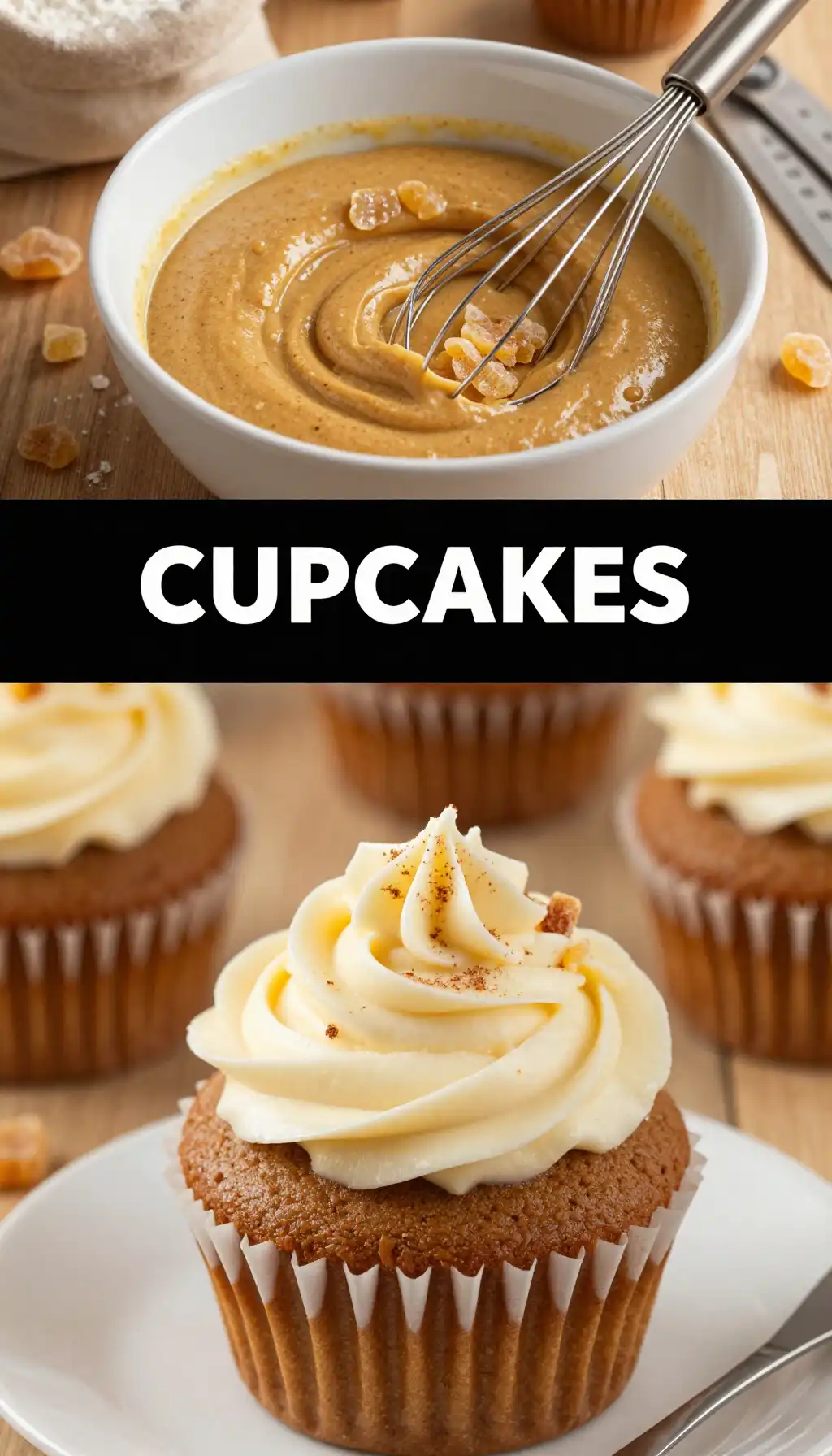
4. **The Wet Mix:** Beat in the eggs one at a time. Then pour in the molasses and vanilla. It will look dark and delicious.
5. **The Alternating Dance:** This is crucial for texture. Add one-third of the dry ingredients, mix gently, then half the buttermilk. Repeat, ending with the dry ingredients. Mix only until the flour disappears. Overmixing develops gluten, and gluten makes cupcakes tough. We want tender.
6. **Bake:** Scoop the batter into the liners, filling them about 2/3 full. Bake for 18-20 minutes. The toothpick test is your friend—clean means done.
7. **Cooling:** Let them cool in the pan for 5 minutes, then move to a wire rack. **Do not frost a hot cupcake.** The frosting will slide right off into a sad, melted puddle.
8. **Frosting:** While they cool, beat the cream cheese and butter until smooth. Gradually add the powdered sugar and vanilla. Whip it high until it’s billowy.
How Not to Mess This Up (Common Pitfalls)
We’ve all had baking disasters. Here’s how to avoid them this time.
🍳 Used in this recipe
Get It on Amazon Basics✔ Free Delivery | ✔ Top Rated | ✔ Budget-Friendly* **The “Cement” Cupcake:** If your cupcakes are dense and didn’t rise, you likely overmixed the batter or your baking soda is old. Baking soda loses potency after about 6 months. If you don’t use it for cleaning, toss it and buy fresh.
* **The “Tooth-breaking” Sweetness:** If your frosting makes your teeth ache, you might have used cold butter or cream cheese. Cold ingredients don’t blend as smoothly, requiring you to add more sugar to mask the lumps. Soft ingredients = smooth frosting = less sugar needed.
* **The Sunken Middle:** This usually means the cupcakes were underbaked. Ovens vary wildly. If you live in a humid climate, you might need an extra minute or two. Trust the toothpick, not just the timer.
Setting the Scene: The Perfect Vibe
These cupcakes are not for a quick, on-the-go breakfast (though I won’t tell if you do). They are for **atmosphere**.
Picture this: It’s a grey, rainy afternoon. You’ve got a pot of tea brewing. You plate a cupcake on your favorite ceramic dish. The steam rising carries the scent of ginger and sweet sugar. You take a bite, and the tangy cream cheese hits your tongue just as the warm spices bloom in the back of your throat. It’s the ultimate “hygge” food.
🍳 Used in this recipe
Get It on Amazon Basics✔ Free Delivery | ✔ Top Rated | ✔ Budget-FriendlyWhile you wait for the kettle to boil, why not browse for a cozy beverage pairing? I found some great inspiration over at Indixer’s smoothie and drink category. A warm spiced apple cider would be a perfect companion to these cupcakes.
Also, if you’re looking to build a full dessert menu, I have a ton of other ideas on my recipe index right here. But honestly, these cupcakes might just steal the show on their own.
Leftovers? Here’s the Plan
Assuming you have leftovers (which is a big assumption), here is the deal. Because of the dairy in the frosting and the moisture in the cake, these guys need to live in the refrigerator.
🍳 Used in this recipe
Get It on Amazon Basics✔ Free Delivery | ✔ Top Rated | ✔ Budget-Friendly**The Fridge:** Store them in an airtight container. They will keep for up to 5 days. However, cold cake is dense cake. **Pro Tip:** Take a leftover cupcake out of the fridge about 20-30 minutes before you plan to eat it. Let it come to room temperature. The crumb will soften, and the frosting will become creamy again. It’s a game-changer.
The All-Important FAQ
How to freeze Gingerbread Cupcakes with Cream Cheese Frosting?
This is a great make-ahead move! The key is to freeze them *unfrosted* or *flash freeze* the frosted ones. If you freeze them unfrosted, wrap each cooled cupcake tightly in plastic wrap, then place them in a freezer bag. They’ll last 3 months. When you’re ready, thaw them on the counter and whip up a fresh batch of frosting. If you must freeze them frosted, place the cupcakes on a baking sheet in the freezer until the frosting is solid (about 2 hours), then wrap them individually. This prevents the frosting from getting squished.
Calories in Gingerbread Cupcakes with Cream Cheese Frosting?
Let’s be real: these are a treat, not a salad. While it varies based on how much frosting you pile on, a standard cupcake from this recipe clocks in around **350-400 calories**. It’s worth every single one. The joy factor lowers the calorie count in spirit, I’m convinced.
🍳 Used in this recipe
Get It on Amazon Basics✔ Free Delivery | ✔ Top Rated | ✔ Budget-FriendlyCan I make this as a cake instead of cupcakes?
Absolutely! The batter works great for a 9×13 sheet cake or two 8-inch round layers. Just adjust the baking time. A sheet cake might take 25-30 minutes, while layers could take 30-35. Keep an eye on it.
My frosting is too runny. Help!
This usually happens if the butter or cream cheese was too soft, or if you added the powdered sugar too fast. Pop the whole bowl of frosting into the fridge for 15 minutes to firm up the fats, then whip it again. If it’s still too soft, add a little more powdered sugar.
Why does my gingerbread taste bitter?
You probably went overboard on the cloves or used blackstrap molasses. Blackstrap is very bitter and intense; stick to “unsulphured” or “light” molasses for baking. If your spices are old, they can also develop a bitter, dusty taste. Fresh spices make a massive difference!
🍳 Used in this recipe
Get It on Amazon Basics✔ Free Delivery | ✔ Top Rated | ✔ Budget-FriendlyOne Last Crumb of Advice
Making **Gingerbread Cupcakes with Cream Cheese Frosting** is about more than just satisfying a sweet tooth. It’s about the process—the measuring, the mixing, the anticipation. It’s about the way your kitchen smells and the smiles on the faces of the people lucky enough to snag one. So, preheat that oven, grab your whisk, and get ready to bake a little bit of happiness. Happy baking
Gingerbread Cupcakes with Cream Cheese Frosting

Ingredients
Ingredients
- 1.5 cups all-purpose flour spooned and leveled
- 1 tsp baking soda
- 1 tsp ground ginger
- 1 tsp ground cinnamon
- 0.5 tsp ground cloves
- 0.25 tsp salt
- 0.5 cup unsalted butter softened to room temperature
- 0.5 cup brown sugar packed
- 0.5 cup molasses unsulphured
- 1 large egg room temperature
- 0.5 cup hot water
- 8 oz cream cheese softened to room temperature
- 0.5 cup unsalted butter softened to room temperature
- 2.5 cups powdered sugar sifted
- 1 tsp vanilla extract