The Sun-Drenched Cake That Whispers of Spanish Afternoons
Close your eyes. Imagine a sun-drenched terrace in Seville, the air thick with the scent of orange blossoms and baking bread. In my mind, I’m there, holding a slice of this impossibly light, golden cake. The crumb is so tender it practically sighs when you press it. A single bite delivers a gentle sweetness, followed by a bright, zesty wake-up call from the lemon glaze that crackles just so. This isn’t just a cake; it’s a vacation on a plate. And the best part? It’s deceptively simple to make, using a humble container of yogurt as its secret weapon.
This Spanish Bizcocho de Yogurt Cake with Lemon Glaze is the culinary equivalent of a perfect linen shirt—effortlessly chic, comfortable, and always in style. Forget dense, heavy desserts. This is a cake that celebrates airiness and a clean, citrusy finish. It’s the kind of treat you whip up on a whim, filling your kitchen with a fragrance that makes the whole family drift in, asking, “Is it ready yet?”
Recommended Product
 -40%
-40%
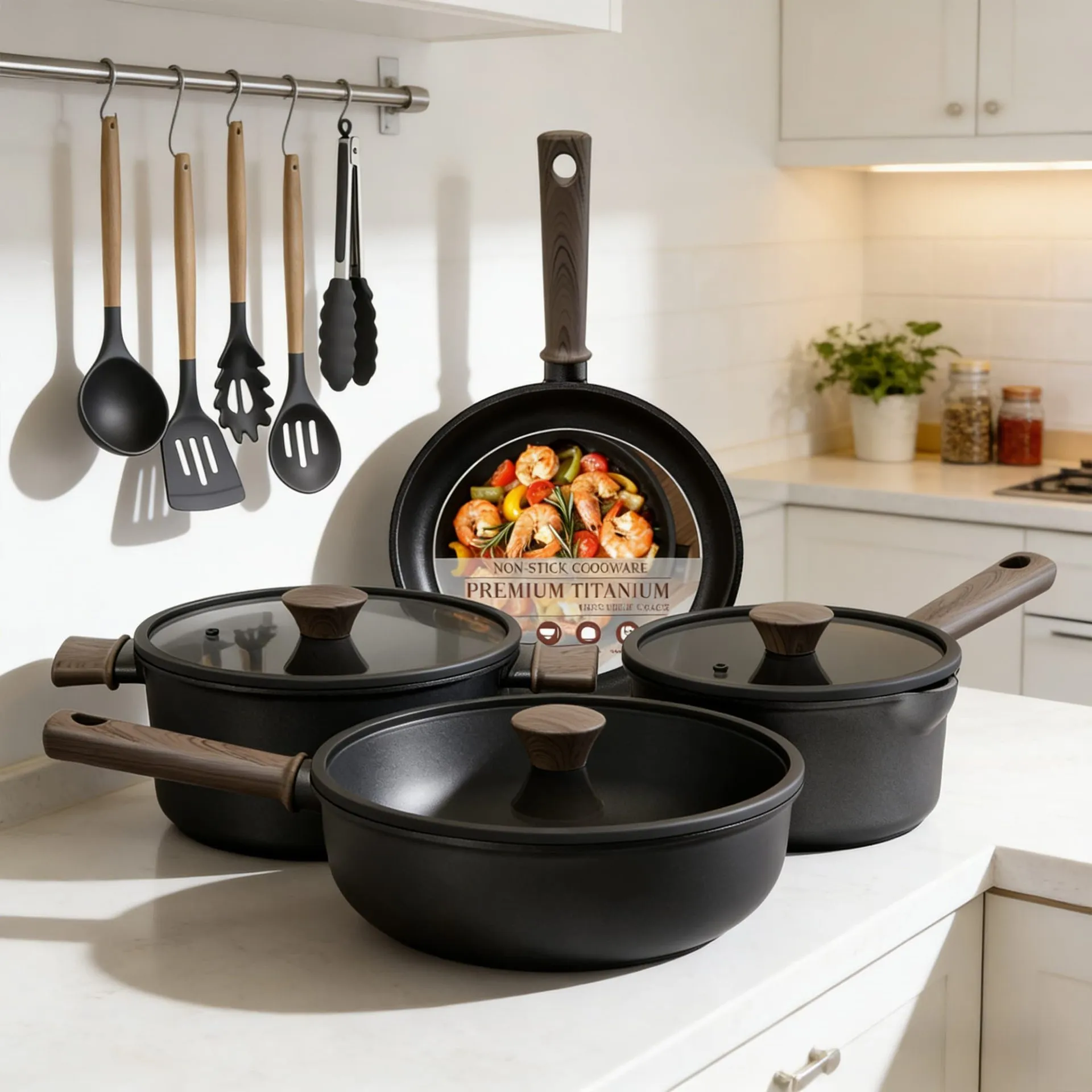
Astercook 21‑Piece Non‑Stick Ceramic Cookware Set with Detachable Handles
- Pieces →: 21‑piece set with pots, pans, lids & accessories
- Handles →: Secure removable/detachable handle system for space saving & oven use
- Non‑Stick Coating →: Premium ceramic non‑stick free of harmful PFOA chemicals for healthier cooking
- Cleanup →: Easy to clean thanks to non‑stick surface and detachable handles
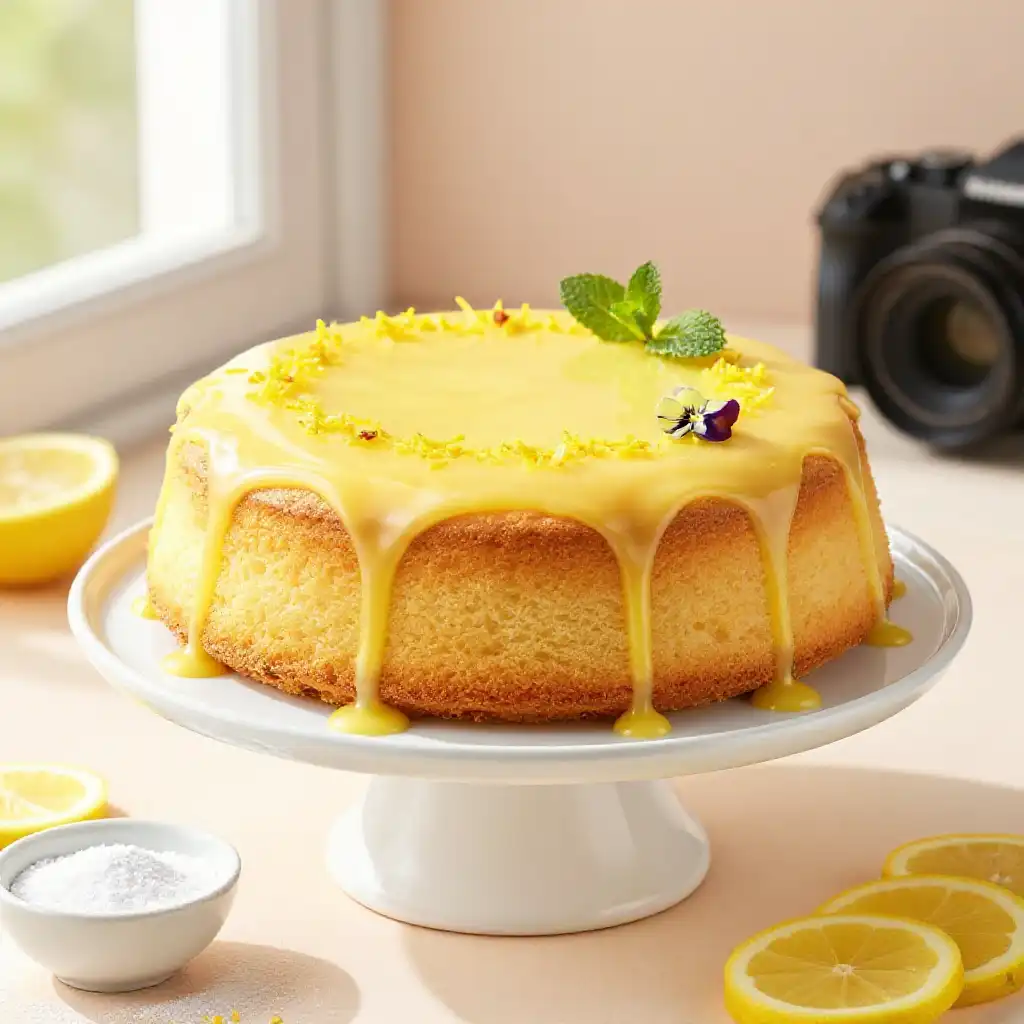
The Flavor Makers: What You Need to Raid the Pantry
The beauty of this recipe lies in its simplicity. You likely have most of these ingredients waiting in your kitchen right now. We’re not building a rocket ship; we’re building a masterpiece of texture and taste.
🍳 Used in this recipe
Get It on Amazon Basics✔ Free Delivery | ✔ Top Rated | ✔ Budget-FriendlyThe core of our cake is the yogurt. It’s not just a liquid; it’s the source of moisture and a subtle tang that keeps the sweetness from being one-note. We’ll pair it with all-purpose flour for structure, and a neutral oil—like sunflower or vegetable—for a crumb that stays moist for days. Granulated sugar provides the sweet base, while eggs act as the glorious binders and leaveners.
But the real stars? The lemons. We’re using both the zest and the juice. The zest holds the fragrant, essential oils that scream “sunshine,” and the juice will power our stunningly simple glaze. A pinch of salt and a dash of baking powder are the quiet supporting actors that make everything else perform at its peak.
Let’s Get Cooking: The Step-by-Step
First, we create a flavor foundation. In a large bowl, whisk together the sugar and lemon zest. Use your fingertips to rub the zest into the sugar until it’s fragrant and looks like damp sand. This simple act releases the oils, infusing every grain with citrus perfume. Now, crack in the eggs and whisk vigorously until the mixture is pale and slightly fluffy. This incorporates air, which is key for a light texture.
🍳 Used in this recipe
Get It on Amazon Basics✔ Free Delivery | ✔ Top Rated | ✔ Budget-FriendlyNext, invite the wet ingredients to the party. Stream in the yogurt and oil, whisking until the batter is smooth and homogenous. There’s no need for an electric mixer here; a good whisk and a strong arm are all you need. In a separate bowl, toss the flour, baking powder, and salt together. We add the dry ingredients to the wet in two or three additions, folding gently with a spatula until just combined. **Do not overmix!** A few lumps are your friends here.
Pour the batter into a greased and floured loaf pan. The batter will be thick and luscious. Bake it in a preheated oven until the top is a deep, golden brown and a toothpick inserted into the center comes out clean. Let the cake cool in the pan for 10 minutes before turning it out onto a wire rack. This patience prevents it from steaming and becoming soggy.
While the cake cools, we make the glaze. Whisk powdered sugar with fresh lemon juice until you have a smooth, pourable icing. It should be thick enough to coat the back of a spoon but thin enough to drizzle. Once the cake is completely cool, drizzle the glaze over the top, letting it cascade down the sides in beautiful, haphazard rivers.
🍳 Used in this recipe
Get It on Amazon Basics✔ Free Delivery | ✔ Top Rated | ✔ Budget-Friendly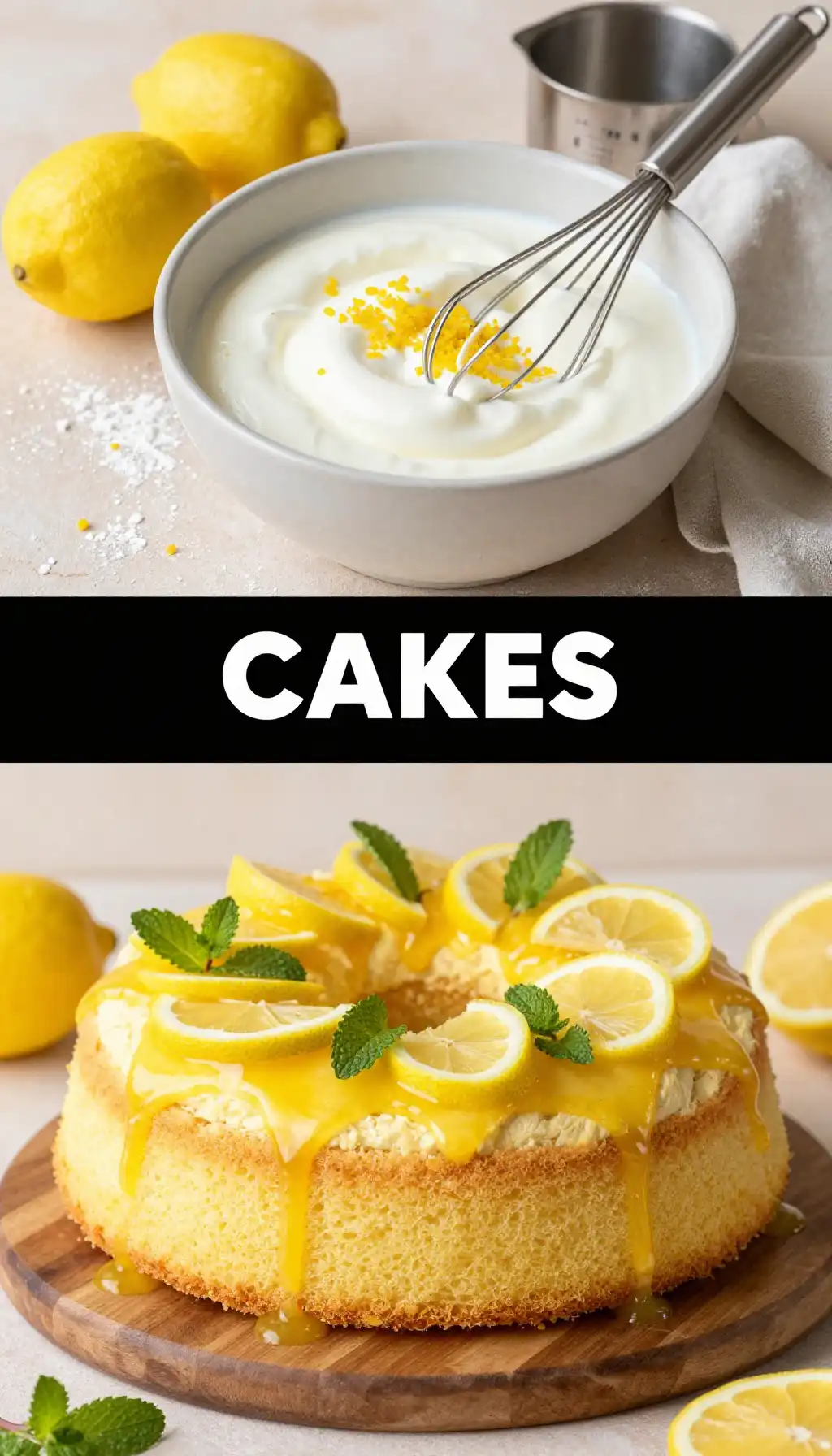
The Secret Science: Why Yogurt is the Hero
Why does this cake taste so different from a standard vanilla cake? It all comes down to the yogurt. Yogurt is a cultured dairy product, meaning it’s teeming with friendly bacteria and, more importantly for our baking, lactic acid. This acid does two magical things. First, it tenderizes the gluten strands in the flour, resulting in a remarkably soft and delicate crumb. It’s the same principle behind adding buttermilk to biscuits.
Second, the acidity interacts with baking powder, giving it an extra boost of lift. The result is a cake that rises high but remains incredibly moist. The fat and protein in the yogurt also contribute to a rich mouthfeel without any heaviness. It’s the culinary hack that turns a simple mixture of flour, eggs, and sugar into something ethereal. This is the same principle that makes recipes like a perfect buttermilk pancake so tender, which you can explore more on our partner site at [indixer.com/category/smoothies-drinks/](https://indixer.com/category/smoothies-drinks/). It’s all about understanding your ingredients.
Avoid the Cake Catastrophes: Common Pitfalls
Even the simplest cakes have their quirks. Here’s how to sidestep the most common mishaps and ensure a flawless bake every time.
🍳 Used in this recipe
Get It on Amazon Basics✔ Free Delivery | ✔ Top Rated | ✔ Budget-FriendlyFirst, the **Overmixing Trap**. Once you add the flour, your whisk is retired. Use a spatula and fold with a gentle, sweeping motion. Overmixing develops gluten, which is great for bread but terrible for a tender cake. You’ll end up with a tough, rubbery texture that no amount of lemon glaze can save.
Second, the **Oven Temperature Fiasco**. Ovens lie. Get an oven thermometer! If your oven runs hot, the cake will set on the outside before the inside is cooked, leading to a sunken center or burnt edges. If it’s too cool, the cake won’t rise properly and will be dense. For this Spanish Bizcocho de Yogurt Cake with Lemon Glaze, 350°F (175°C) is the sweet spot.
Serving Vibes: Setting the Scene
This cake is a social butterfly. It’s equally at home at a fancy brunch as it is on a casual Tuesday night. For a sunny afternoon, serve thick slices with a dollop of whipped cream and a handful of fresh berries. The tartness of the berries plays beautifully with the sweet, tangy cake.
🍳 Used in this recipe
Get It on Amazon Basics✔ Free Delivery | ✔ Top Rated | ✔ Budget-FriendlyOn a rainy day, this is the ultimate comfort food. Pair a warm slice with a strong cup of coffee or a pot of black tea. The citrus notes cut through the richness, making it feel light and uplifting even when the skies are grey. It’s also a fantastic make-ahead dessert for gatherings. The flavors meld and deepen overnight, making the leftovers (if you have any) even more spectacular.
If you’re looking for more simple, stunning dessert ideas, the techniques here are a great starting point. The logic of using tangy dairy for moisture is a universal baking truth, and you can find more inspiration on how to apply it across different recipes at [slapid.com/recipes//](https://slapid.com/recipes//).
Leftovers? Here’s the Plan
While this cake is best enjoyed within the first two days, its high moisture content means it holds up beautifully. Store it in an airtight container at room temperature for up to three days. The glaze will set into a slightly sticky, delightful crust.
🍳 Used in this recipe
Get It on Amazon Basics✔ Free Delivery | ✔ Top Rated | ✔ Budget-FriendlyTo freeze, you have two options. For the whole cake, wrap it tightly in plastic wrap and then a layer of aluminum foil. It will keep in the freezer for up to three months. Thaw it overnight in the refrigerator. For individual slices, freeze them on a baking sheet before transferring to a freezer bag. This prevents them from sticking together. You can enjoy a slice straight from the freezer, slightly frozen, for a refreshing treat, or let it come to room temperature.
FAQ: Your Bizcocho Questions, Answered
How to make Spanish Bizcocho de Yogurt Cake with Lemon Glaze in a different pan?
You can absolutely use a round cake pan or even a bundt pan. The baking time will vary. For a round pan (9-inch), start checking for doneness around 25-30 minutes. For a bundt pan, it may take 40-45 minutes due to the thicker center. The toothpick test is your best friend here.
How to freeze Spanish Bizcocho de Yogurt Cake with Lemon Glaze?
This cake freezes exceptionally well. For best results, freeze the cake *before* glazing. Wrap the cooled, unglazed cake tightly in plastic wrap and then foil. When you’re ready to serve, thaw it at room temperature, then whip up a fresh batch of lemon glaze to drizzle over the top. The texture will be just as perfect as the day you baked it.
🍳 Used in this recipe
Get It on Amazon Basics✔ Free Delivery | ✔ Top Rated | ✔ Budget-FriendlyWhat are the calories in Spanish Bizcocho de Yogurt Cake with Lemon Glaze?
While this is an estimate, a typical slice (1/10th of the loaf) is around 280-320 calories. The yogurt and oil keep it moist without needing excessive butter, and the glaze is a simple mix of sugar and lemon. It feels indulgent but is lighter than many traditional pound cakes.
Can I use a different flavor besides lemon?
Certainly! Orange zest and juice make a fantastic substitute. You could also try a combination of lemon and rosemary for a sophisticated herbal note, or swap the lemon glaze for a simple vanilla one if you prefer. The yogurt base is a wonderfully blank canvas.
Why is my cake dense instead of light?
This usually points back to two things: overmixing the batter or incorrect leavening. Ensure your baking powder is fresh (test it by dropping a spoonful into hot water—it should fizz vigorously). And remember, fold the dry ingredients in gently. We’re aiming for airy, not athletic.
🍳 Used in this recipe
Get It on Amazon Basics✔ Free Delivery | ✔ Top Rated | ✔ Budget-FriendlySo, what are you waiting for? Your kitchen is about to smell like a Spanish holiday. Grab that container of yogurt and a couple of lemons, and let’s get baking. This easy Spanish Bizcocho de Yogurt Cake with Lemon Glaze is about to become your new favorite go-to dessert.

Spanish Bizcocho de Yogurt Cake with Lemon Glaze

Ingredients
Ingredients
- 1.5 cups all-purpose flour sifted
- 1 cup granulated sugar
- 1 cup plain yogurt full-fat, at room temperature
- 0.5 cup vegetable oil
- 3 large eggs at room temperature
- 1 tbsp lemon zest freshly grated
- 1 tsp vanilla extract
- 2 tsp baking powder
- 0.5 tsp salt
- 1 cup powdered sugar for glaze
- 2 tbsp fresh lemon juice for glaze