The Sunshine Cake That Smells Like a Hug
Let’s be real for a second. We all have that one friend who claims they don’t like dessert. They’re lying, obviously, but they usually cite reasons like “too sweet” or “too heavy.” I present Exhibit A: Lebanese Sfouf. This isn’t a dessert that punches you in the face with sugar. It’s a gentle nudge. It’s a slice of literal sunshine that smells like an ancient spice market. The moment you open the oven door, the air fills with the warm, earthy scent of turmeric and the sweet, licorice-like whisper of anise. It’s the kind of aroma that makes you forget it’s raining outside, or that your inbox has 47 unread emails. It’s pure, golden comfort.
Unlike those fussy French pastries that require a culinary degree and the patience of a saint, Sfouf is gloriously low-maintenance. It’s the “set it and forget it” of the cake world, provided you don’t actually forget it in the oven (we’ll get to that). It’s a staple in Lebanese households, a go-to for kids’ parties, and the ultimate companion to a bitter cup of coffee. Once you taste that dense, moist crumb and feel the crunch of a toasted pine nut, you’ll understand why this recipe has been passed down for generations. It’s not just food; it’s a tradition.
Recommended Product
 -40%
-40%
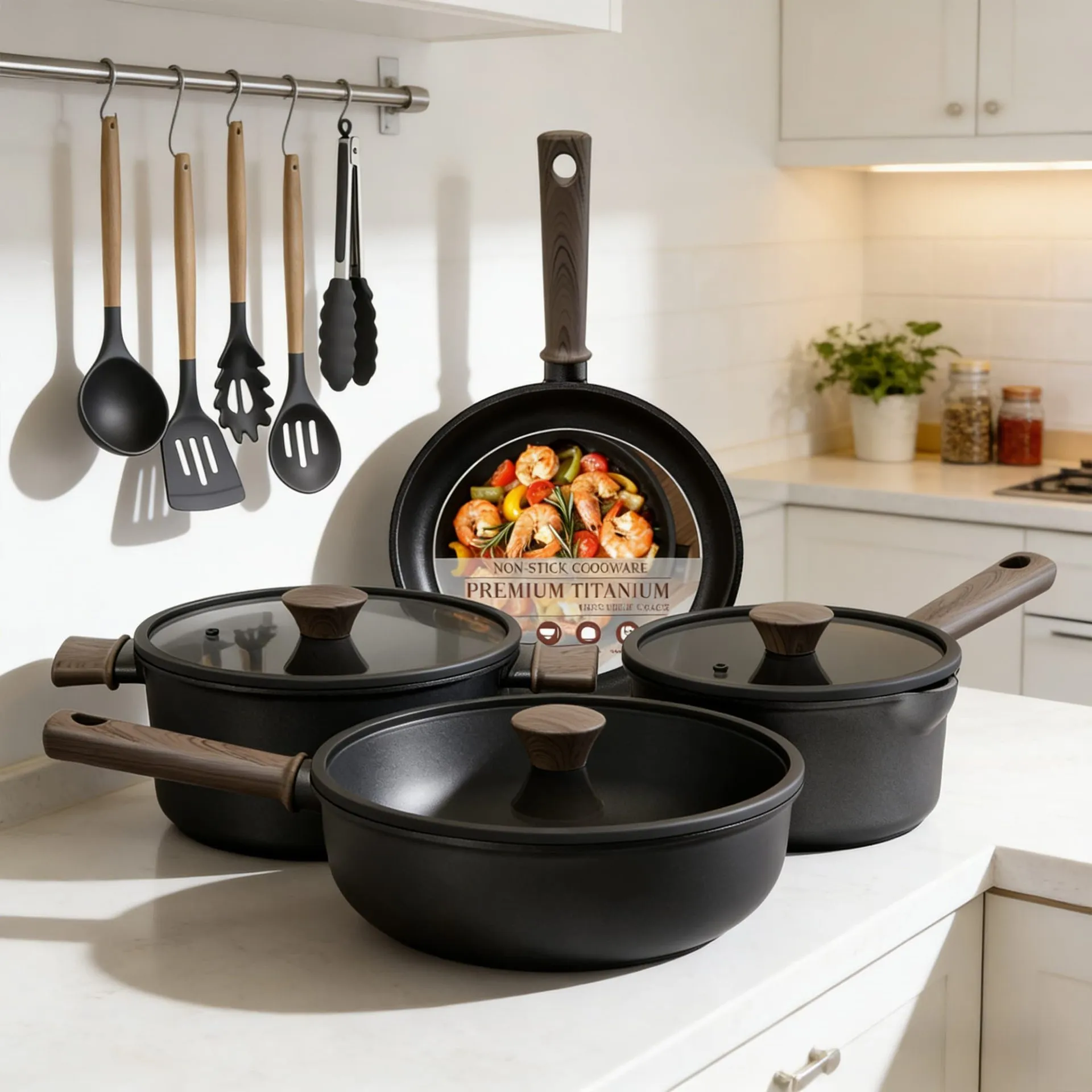
Astercook 21‑Piece Non‑Stick Ceramic Cookware Set with Detachable Handles
- Pieces →: 21‑piece set with pots, pans, lids & accessories
- Handles →: Secure removable/detachable handle system for space saving & oven use
- Non‑Stick Coating →: Premium ceramic non‑stick free of harmful PFOA chemicals for healthier cooking
- Cleanup →: Easy to clean thanks to non‑stick surface and detachable handles
Why This Golden Brick Deserves a Spot in Your Kitchen
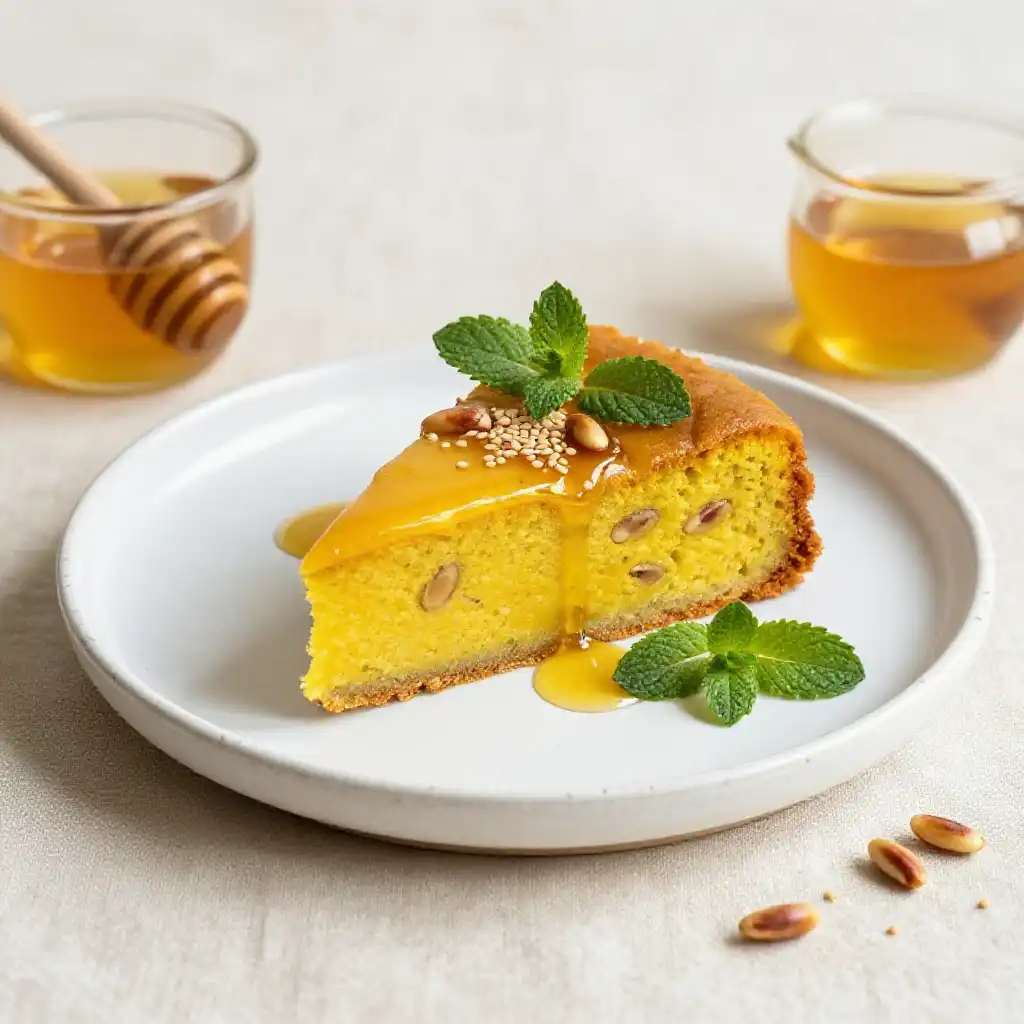
So, why should you drop everything and learn how to make Lebanese Sfouf Turmeric Cake with Pine Nuts? First, the texture. We aren’t dealing with a fluffy, airy sponge here. Sfouf has a substantial, almost pound-cake-like density that feels incredibly satisfying. It’s made with fine semolina, which gives it this unique, slightly gritty yet melt-in-your-mouth quality that flour just can’t replicate. It’s the kind of cake that fills you up without weighing you down.
🍳 Used in this recipe
Get It on Amazon Basics✔ Free Delivery | ✔ Top Rated | ✔ Budget-FriendlySecond, it’s a spice rack’s greatest hits album. Turmeric provides that vibrant, shocking yellow color and an earthy backbone. Anise seeds bring a sophisticated, aromatic lift that cuts through the richness. And the pine nuts? They aren’t just a garnish; they’re integral. As they bake, they release their oils into the batter, creating little pockets of nutty, buttery goodness. This is an easy Lebanese Sfouf Turmeric Cake with Pine Nuts because it uses pantry staples, but it tastes like you spent all day at a souk. Plus, if you’re looking for more inspiration on what to serve alongside it, check out these fantastic drink pairings over at Indixer.
The Turmeric Truth: A Deep Dive into the Golden Spice
Everyone knows turmeric as the spice that turns everything a brilliant yellow and famously stains your favorite white shirt (pro-tip: use a glass bowl, not plastic). But in Sfouf, it’s doing so much more than just playing dress-up. This rhizome from the ginger family is the undisputed star of the show. Its flavor profile is complex—peppery, slightly bitter, and musky. In a sweet cake, this might sound counterintuitive, but it’s a masterstroke of culinary balance. It prevents the cake from becoming cloyingly sweet, grounding the sugar and milk with a dose of earthy reality.
The science behind it is fascinating. The active compound, curcumin, is a powerhouse that gives the cake its iconic glow. But it also reacts beautifully with the fats in the milk and butter (or oil), which helps to mellow out its bitterness and distribute that color evenly throughout the batter. That’s why you don’t get speckles; you get a uniform, golden hue that looks like a solid block of honey when sliced. It’s this specific interaction between the fat, the semolina, and the turmeric that creates the signature texture and flavor of an authentic Sfouf. It’s not just a spice; it’s the structural soul of the cake.
🍳 Used in this recipe
Get It on Amazon Basics✔ Free Delivery | ✔ Top Rated | ✔ Budget-FriendlyHow to Make Lebanese Sfouf Turmeric Cake with Pine Nuts (Without the Drama)
Alright, let’s get our hands dirty. This isn’t a recipe that requires fancy equipment or a stand mixer that sounds like a jet engine. You just need a bowl, a whisk, and a willingness to embrace the color yellow. We’re going to build this flavor layer by layer.
What You Need to Raid From the Pantry
First, gather your troops. You’ll need fine semolina (the finer, the smoother the final texture), all-purpose flour for structure, and sugar for sweetness. For the wet team, grab some milk, vegetable oil (or melted butter if you’re feeling fancy), and eggs to bind it all together. The magic trio, however, is ground turmeric, anise seeds (crush them slightly to wake them up), and a splash of orange blossom water for that authentic floral note. And of course, a generous handful of raw pine nuts for the top.
The Step-by-Step (No Engineering Degree Required)
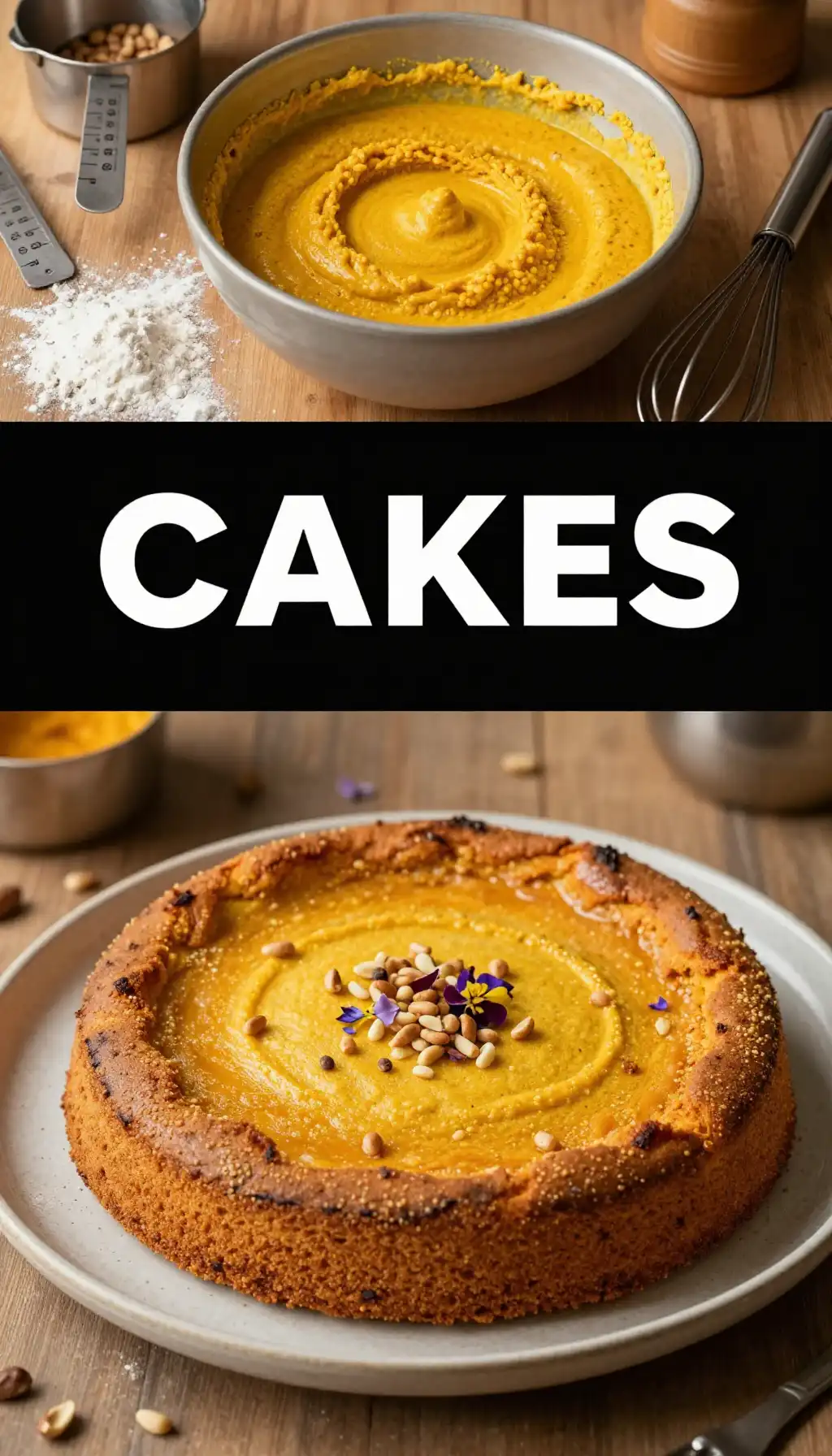
Preheat your oven to 350°F (175°C). Grease a 9×13 inch baking pan like you mean it—get into those corners. In a large bowl, whisk together the semolina, flour, sugar, turmeric, and anise seeds. Make sure there are no lumps of turmeric hiding in there.
🍳 Used in this recipe
Get It on Amazon Basics✔ Free Delivery | ✔ Top Rated | ✔ Budget-FriendlyIn a separate bowl, whisk the eggs, milk, oil, and orange blossom water until they’re frothy and best friends. Now, slowly pour the wet ingredients into the dry ingredients. Whisk gently until you have a smooth, bright yellow batter. It should be pourable but not watery. This is where you need to pay attention. Too thin, and it’ll be flat. Too thick, and it won’t cook through.
Pour the batter into your prepared pan. Scatter the pine nuts generously over the surface, pressing them in slightly so they don’t all slide off when you pour your coffee. Bake for 30-40 minutes. You’re looking for a firm top and a skewer that comes out clean. Let it cool completely before slicing, otherwise, you’ll just have a delicious, yellow pile of crumbs.
The Sfouf Sin List: Common Pitfalls to Sidestep
Even the most easy Lebanese Sfouf Turmeric Cake with Pine Nuts can go wrong if you get cocky. First, the turmeric trap. Don’t eyeball it. Too much, and your cake tastes like a health supplement. Too little, and you lose the “Sfouf” identity. Measure it. Respect the golden ratio.
🍳 Used in this recipe
Get It on Amazon Basics✔ Free Delivery | ✔ Top Rated | ✔ Budget-FriendlySecond, the “I can’t wait” mistake. Do not, under any circumstances, try to slice this cake while it’s warm. Sfouf needs to set. It’s a dense cake, and the structure solidifies as it cools. Slicing it hot is a one-way ticket to crumble town. Patience is a virtue, and in this case, it’s the difference between a clean square and a scoop of cake mush.
Serving Vibes: Setting the Scene
Sfouf is the ultimate chameleon. It’s equally at home on a dusty kitchen table on a Tuesday afternoon as it is on a pristine platter at a wedding. The classic vibe? A small square of cake next to a steaming, tiny cup of dark Lebanese coffee. The bitterness of the coffee is the perfect foil for the sweet, aromatic cake. It’s a ritual of slowing down.
But don’t let tradition box you in. Serve it with a dollop of thick Greek yogurt for breakfast. Crumble it over a bowl of fresh berries and cream for a deconstructed dessert. It’s fantastic alongside a glass of cold milk or, if you’re feeling adventurous, a spiced chai latte. It’s a social cake, a cake that invites conversation and a second helping.
🍳 Used in this recipe
Get It on Amazon Basics✔ Free Delivery | ✔ Top Rated | ✔ Budget-FriendlyLeftovers? Here’s the Plan
If you somehow manage to have leftovers (a rare occurrence), you have options. Sfouf keeps beautifully. Store it in an airtight container at room temperature for up to three days. It will stay wonderfully moist. For a little treat, try toasting a slice in a dry pan for a minute or two. The edges get crispy, and the pine nuts re-release their oils. It’s a game-changer.
Now, for the freezer question: how to freeze Lebanese Sfouf Turmeric Cake with Pine Nuts. It’s surprisingly freezer-friendly. Once the cake is completely cool, wrap individual slices or the whole block tightly in plastic wrap, then a layer of foil. It can live in the freezer for up to 3 months. To thaw, just leave it on the counter for a couple of hours. It holds its texture remarkably well. It’s the perfect make-ahead treat for unexpected guests or a sudden craving.
FAQ: Your Sfouf Questions, Answered
What is the calorie count for Lebanese Sfouf Turmeric Cake with Pine Nuts?
A typical serving (about a 2-inch square) generally falls between 250-300 calories. It’s rich, so a small piece is surprisingly satisfying. The exact count depends on your ratio of oil to milk, but it’s a reasonable indulgence for that burst of flavor.
🍳 Used in this recipe
Get It on Amazon Basics✔ Free Delivery | ✔ Top Rated | ✔ Budget-FriendlyCan I make this cake gluten-free?
You can! While the traditional recipe uses some all-purpose flour, you can often substitute it with a gluten-free flour blend or simply use all fine semolina, provided your semolina is certified gluten-free. The texture will be slightly denser but still delicious.
My cake didn’t rise much. Is that normal?
Yes! Don’t expect a fluffy, towering cake. Sfouf is supposed to be dense and flat. It relies on the semolina and the binding agents for its structure, not leavening. If it’s puffy, something has gone wonderfully wrong, but flat is the goal.
What can I use instead of orange blossom water?
If the floral note isn’t your thing, you can simply omit it. The cake will still be fantastic. Alternatively, a teaspoon of vanilla extract or a bit of lemon zest can provide a different, but equally lovely, aromatic lift.
🍳 Used in this recipe
Get It on Amazon Basics✔ Free Delivery | ✔ Top Rated | ✔ Budget-FriendlyHow do I know when it’s perfectly done?
The top should feel firm and spring back lightly when touched. A toothpick or skewer inserted into the center should come out clean, with no wet batter attached. Be careful not to overbake, or it can become dry.
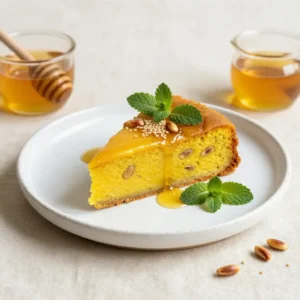
Lebanese Sfouf Turmeric Cake with Pine Nuts

Ingredients
Ingredients
- 1.5 cups fine semolina for texture
- 1 cup all-purpose flour
- 1.5 tsp ground turmeric for color and flavor
- 1 tsp ground anise or anise seed
- 1 tsp baking powder
- 0.5 tsp salt
- 1 cup sugar granulated
- 0.75 cup plain yogurt room temperature
- 0.5 cup vegetable oil or neutral oil
- 0.5 cup whole milk room temperature
- 0.25 cup pine nuts for topping
- 1 tbsp rose water optional, for aroma