The First Sip That Changed Everything
Picture this: It’s a misty morning in a stone-walled teahouse somewhere in Fujian province. The air smells of roasted chestnuts and wet earth. A server pours a deep amber liquid into a tiny porcelain cup. That first sip? It’s like drinking liquid minerals with a whisper of campfire smoke. That was my first encounter with Da Hong Pao, the legendary “Great Red Robe” oolong. Years later, I’m still chasing that memory—but now, I’m adding steamed milk and honey to make it a latte that feels like wrapping yourself in a cashmere blanket.
What Makes This More Than Just Tea With Milk
Da Hong Pao isn’t your average tea bag variety. It’s one of China’s most famous oolongs, grown in the Wuyi Mountains where the soil is rich with minerals. That’s why it has those distinctive roasted, almost rocky notes—what tea snobs call “yan yun” or “rock rhyme.” When you steam it with milk and a touch of honey, those mineral flavors don’t disappear; they transform into something deeper, toastier, and incredibly comforting. It’s like your morning coffee grew up, went to finishing school, and came back wearing a silk robe.
Recommended Product
 -40%
-40%
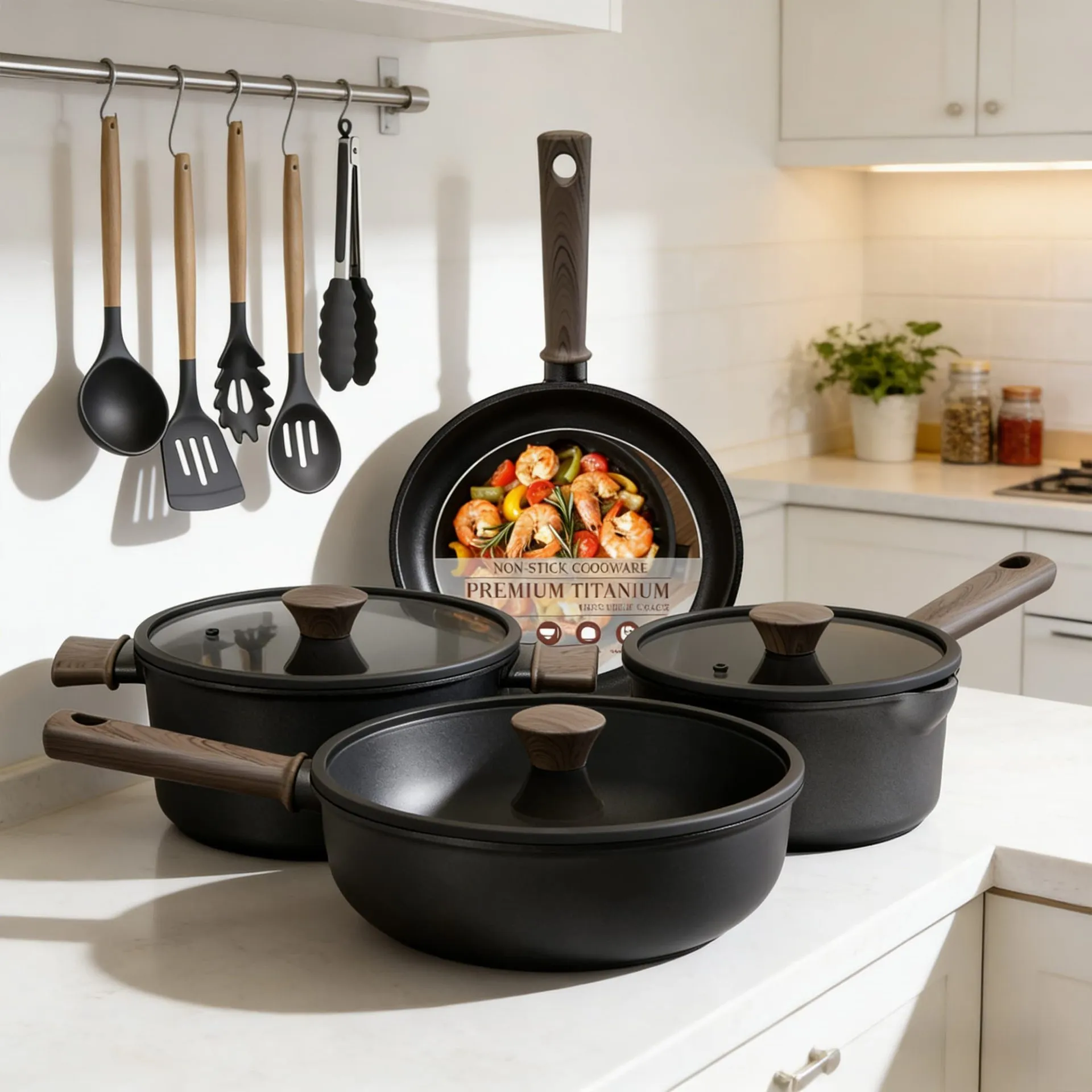
Astercook 21‑Piece Non‑Stick Ceramic Cookware Set with Detachable Handles
- Pieces →: 21‑piece set with pots, pans, lids & accessories
- Handles →: Secure removable/detachable handle system for space saving & oven use
- Non‑Stick Coating →: Premium ceramic non‑stick free of harmful PFOA chemicals for healthier cooking
- Cleanup →: Easy to clean thanks to non‑stick surface and detachable handles
The Flavor Makers (What You Need to Raid From the Pantry)
- 2 tablespoons Da Hong Pao oolong tea leaves (loose leaf, not bags)
- 1 cup filtered water
- 1 cup whole milk (or oat milk for a dairy-free version)
- 1-2 teaspoons honey (adjust to your sweetness level)
- A pinch of sea salt (trust me on this)
Let’s Get Brewing (The Step-by-Step)
First, bring your water to 195°F—that’s just under boiling, where tiny bubbles are forming but it’s not rolling yet. Steep those gorgeous Da Hong Pao leaves for exactly 3 minutes. Any longer and you’ll pull out bitter tannins; any shorter and you miss the magic. While that’s happening, gently warm your milk in a small saucepan until it’s steaming but not boiling. Now here’s the secret move: whisk in the honey and that tiny pinch of salt while the milk is warm—it helps everything dissolve perfectly.
🍳 Used in this recipe
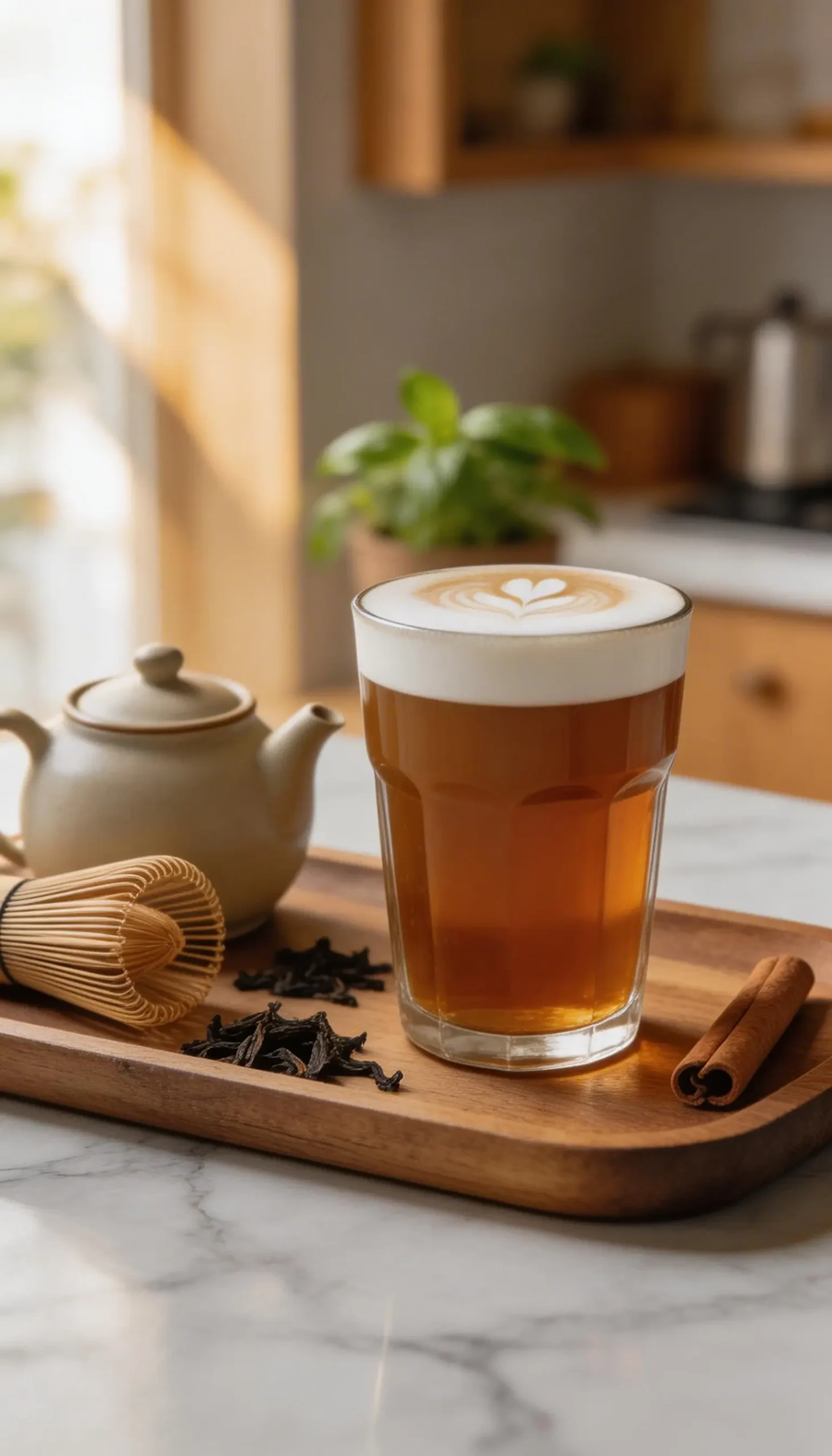
Get It on Amazon Basics✔ Free Delivery | ✔ Top Rated | ✔ Budget-FriendlyOnce your tea is ready, strain it into your favorite mug. Pour the warm, honey-kissed milk over the back of a spoon to create layers, then give it one gentle stir. The result? A latte that looks like liquid amber with a creamy cap that smells like toasted almonds and wildflowers.
The Science of Rock Rhyme (Why Da Hong Pao Tastes Like That)
Ever wonder why Da Hong Pao has that distinctive mineral edge? It’s all about terroir. The Wuyi Mountains have red sandstone soil packed with iron, magnesium, and other minerals. The tea bushes dig deep into this rocky earth, absorbing compounds that create that signature “yan yun” or rock flavor. During processing, the leaves are carefully roasted over charcoal, which caramelizes their natural sugars while preserving those mineral notes. When you add milk, the fat molecules actually help carry those complex flavors across your palate, making them richer and more pronounced.
Common Pitfalls (How Not to Mess This Up)
The biggest mistake? Using boiling water. Da Hong Pao is delicate—boiling water will scorch those leaves and leave you with a bitter mess. Another rookie error? Steeping too long. Set a timer for 3 minutes and stick to it. And please, don’t use skim milk. You need some fat to carry those flavors. If you’re dairy-free, go for full-fat oat milk—it’s the closest in body and sweetness.
🍳 Used in this recipe
Get It on Amazon Basics✔ Free Delivery | ✔ Top Rated | ✔ Budget-FriendlyWhen to Serve This Liquid Luxury
This isn’t your grab-and-go morning tea. This is a slow-sip situation. Perfect for rainy Sunday mornings when you’re curled up with a book, or as an afternoon pick-me-up when you need something that feels like a treat but won’t give you the jitters. It’s also stunning for impressing tea-loving friends—serve it in clear glass mugs so they can see those gorgeous amber layers.
Frequently Asked Questions
How to make Da Hong Pao Great Red Robe Latte at home?
Start with high-quality loose leaf Da Hong Pao, steep at 195°F for 3 minutes, then combine with steamed milk and honey. The key is gentle heat and precise timing.
Can I use tea bags instead of loose leaf?
You can, but you’ll miss the depth of flavor. Loose leaf Da Hong Pao has larger, more intact leaves that release complex notes. Tea bags often contain broken leaves and dust.
🍳 Used in this recipe
Get It on Amazon Basics✔ Free Delivery | ✔ Top Rated | ✔ Budget-FriendlyHow to store leftover Da Hong Pao Great Red Robe Latte?
Store in an airtight container in the fridge for up to 24 hours. Reheat gently—don’t boil it, or the milk will separate and the flavors will dull.
Calories in Da Hong Pao Great Red Robe Latte?
Using whole milk and 1 teaspoon honey, you’re looking at approximately 120-140 calories per serving. With oat milk, it’s closer to 100-110 calories.
Where can I buy authentic Da Hong Pao tea?
Look for reputable tea shops or online retailers specializing in Chinese teas. Authentic Da Hong Pao from the Wuyi Mountains will be labeled as such and priced accordingly—if it’s suspiciously cheap, it’s probably a blend.
🍳 Used in this recipe
Get It on Amazon Basics✔ Free Delivery | ✔ Top Rated | ✔ Budget-Friendly
The Final Sip
There’s something almost meditative about making this latte. The careful temperature control, the gentle steeping, the way the milk transforms the tea into something new yet familiar. It’s not just a drink—it’s a moment of luxury you create yourself. And once you’ve mastered it, you’ll understand why Da Hong Pao has been prized for centuries. Some flavors are worth the extra effort.
Ready to give it a try? Your future self, wrapped in a blanket with a perfect Da Hong Pao latte, is already thanking you.
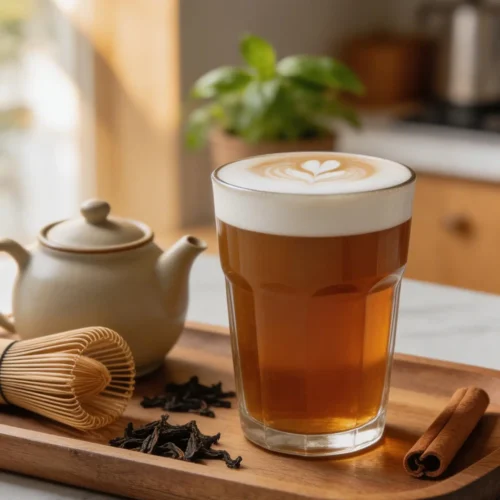
Da Hong Pao Great Red Robe Latte

Ingredients
Ingredients
- 2 tbsp Da Hong Pao oolong tea leaves loose leaf
- 2 cups water filtered, just below boiling (195°F/90°C)
- 1 cup whole milk or oat milk for dairy-free
- 2 tsp honey or to taste
- 1/8 tsp vanilla extract optional
- 1 pinch sea salt fine
Notes
🍳 Used in this recipe
Get It on Amazon Basics✔ Free Delivery | ✔ Top Rated | ✔ Budget-Friendly